
Beautiful Plants For Your Interior
Beautiful Plants For Your Interior
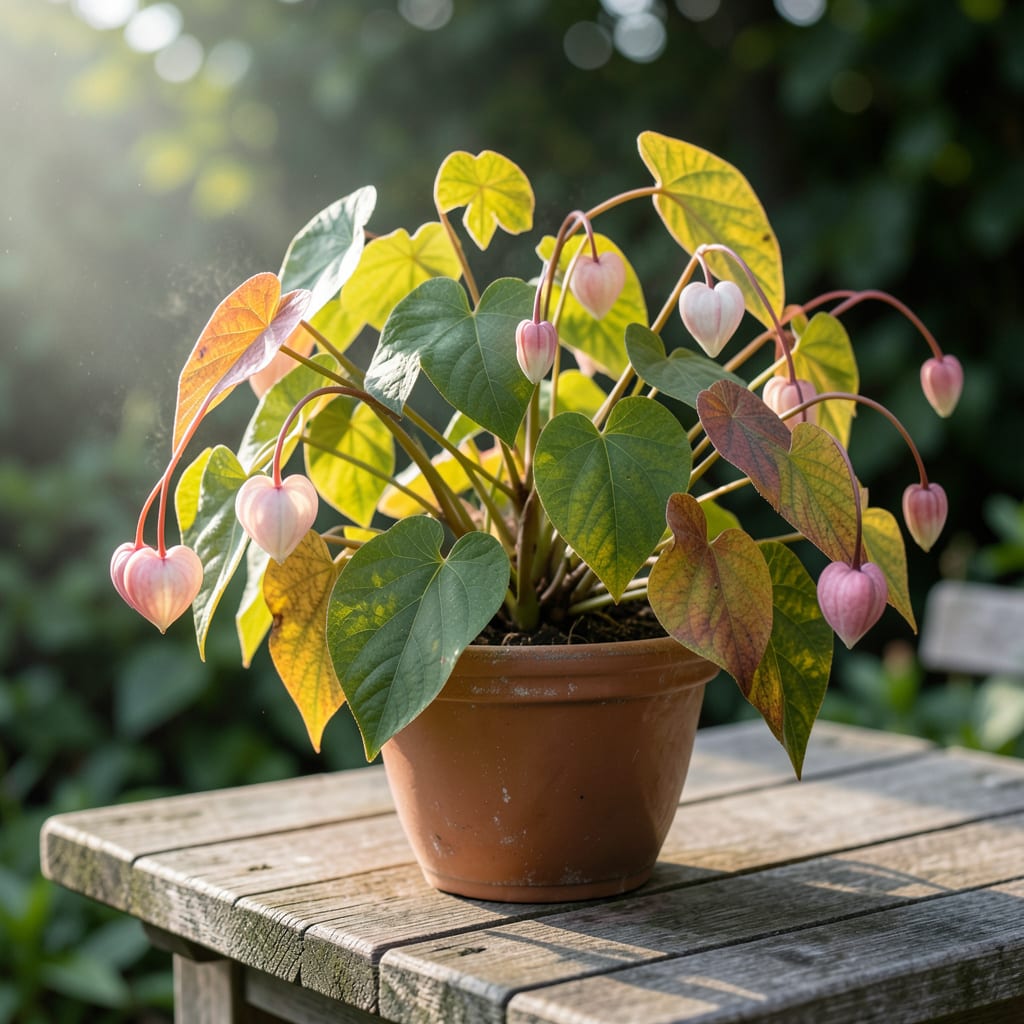
Yellow leaves on your bleeding heart aren’t a death sentence. I’ve nursed dozens back to health with simple fixes that take less than a week to show results.
Usually it’s overwatering, not enough nitrogen, or too much sun. The plant tells you exactly what’s wrong if you know where to look—droopy stems mean water issues, pale leaves scream for fertilizer.
Once you adjust the care, new growth appears shockingly fast. I’ve seen yellowing stop within 3-4 days of the right treatment, with fresh green leaves following in a week.
Works for potted plants and garden beds alike. Here’s how to diagnose and fix it properly.
Bleeding heart plants (Dicentra spectabilis) develop yellow leaves for several scientifically backed reasons. Here’s a breakdown of the most common causes and their underlying mechanisms:
Yellowing often signals a lack of essential nutrients, particularly nitrogen or iron. Nitrogen deficiency causes uniform yellowing (chlorosis) in older leaves first, as the plant redistributes nitrogen to newer growth. Iron deficiency, however, triggers interveinal chlorosis—yellowing between leaf veins—because iron is critical for chlorophyll synthesis. A soil pH above 7.0 can lock out iron, even if it’s present.
Excess moisture suffocates roots, reducing oxygen uptake and impairing nutrient absorption. This leads to root rot (often caused by Phytophthora or Pythium fungi), which manifests as yellowing leaves, wilting, and blackened stems. Bleeding hearts prefer moist but well-drained soil—soggy conditions disrupt cellular respiration.
While bleeding hearts thrive in partial shade, too much direct sunlight can scorch leaves, triggering yellow or brown patches. Conversely, insufficient light weakens chlorophyll production, causing pale yellow leaves. Ideal conditions mimic their native woodland habitat: dappled light (4–6 hours of gentle morning sun).
Sap-sucking pests like aphids and spider mites drain plant fluids, reducing vigor and causing yellow stippling. Aphids also excrete honeydew, promoting sooty mold growth, which further blocks photosynthesis. Inspect leaf undersides for tiny insects or webbing.
Heat stress (above 85°F/29°C) accelerates leaf senescence, while sudden cold snaps (below 50°F/10°C) disrupt enzyme activity. Both can trigger premature yellowing. Bleeding hearts enter dormancy in summer heat—yellowing may simply signal their natural cycle.
If your bleeding heart plant’s leaves are turning yellow, don’t panic—there are simple fixes for the most common causes. Below, we break down the solutions for each issue and how to prevent them in the future.
Fix: Let the soil dry slightly between waterings. If the plant is in a pot, ensure it has drainage holes. For garden plants, improve drainage by mixing in compost or perlite. Trim any mushy, yellow leaves to prevent rot from spreading.
Prevention: Water only when the top inch of soil feels dry. Use well-draining soil and avoid saucers that trap water under pots.
Fix: Move potted plants to a spot with bright, indirect light or partial shade. For garden plants, provide shade with a canopy or taller plants. If leaves are crispy and yellow, trim them to redirect energy to healthy growth.
Prevention: Bleeding hearts thrive in partial shade, especially in hot climates. Aim for morning sun and afternoon shade.
Fix: Apply a balanced, water-soluble fertilizer (10-10-10) every 4-6 weeks during the growing season. For iron deficiency (yellow leaves with green veins), use chelated iron or a soil acidifier. Organic options like compost or worm castings also help.
Prevention: Fertilize regularly but avoid overdoing it—follow package instructions. Test your soil annually to monitor nutrient levels.
Fix: Spray leaves with neem oil or insecticidal soap to tackle aphids, spider mites, or scale. Wipe down leaves with a damp cloth to remove pests manually. For severe cases, prune heavily infested leaves.
Prevention: Inspect plants regularly for early signs of pests. Encourage beneficial insects like ladybugs, which prey on common pests.
Fix: If yellowing occurs due to heat, move plants to a cooler, shadier spot. For cold stress, bring potted plants indoors or cover garden plants with frost cloth during unexpected chills.
Prevention: Bleeding hearts prefer temperatures between 55–75°F (13–24°C). Avoid placing them near heat sources or in drafty areas.
💡 Pro Tip: Always use clean, sharp tools when pruning to prevent disease spread. Sterilize with rubbing alcohol between cuts!
Not always. Natural aging or dormancy can cause yellow leaves, especially in summer heat. Check for other symptoms like wilting or spots to confirm disease.
Water when the top 1 inch of soil feels dry. Overwatering is a common cause, so ensure pots have drainage holes.
Yes! Coffee grounds add nitrogen and acidify soil slightly, helping with iron absorption. Use sparingly to avoid over-acidifying.
This is classic iron deficiency. Treat with chelated iron or lower soil pH to 6.0-6.5 for better iron uptake.
