
Beautiful Plants For Your Interior
Beautiful Plants For Your Interior
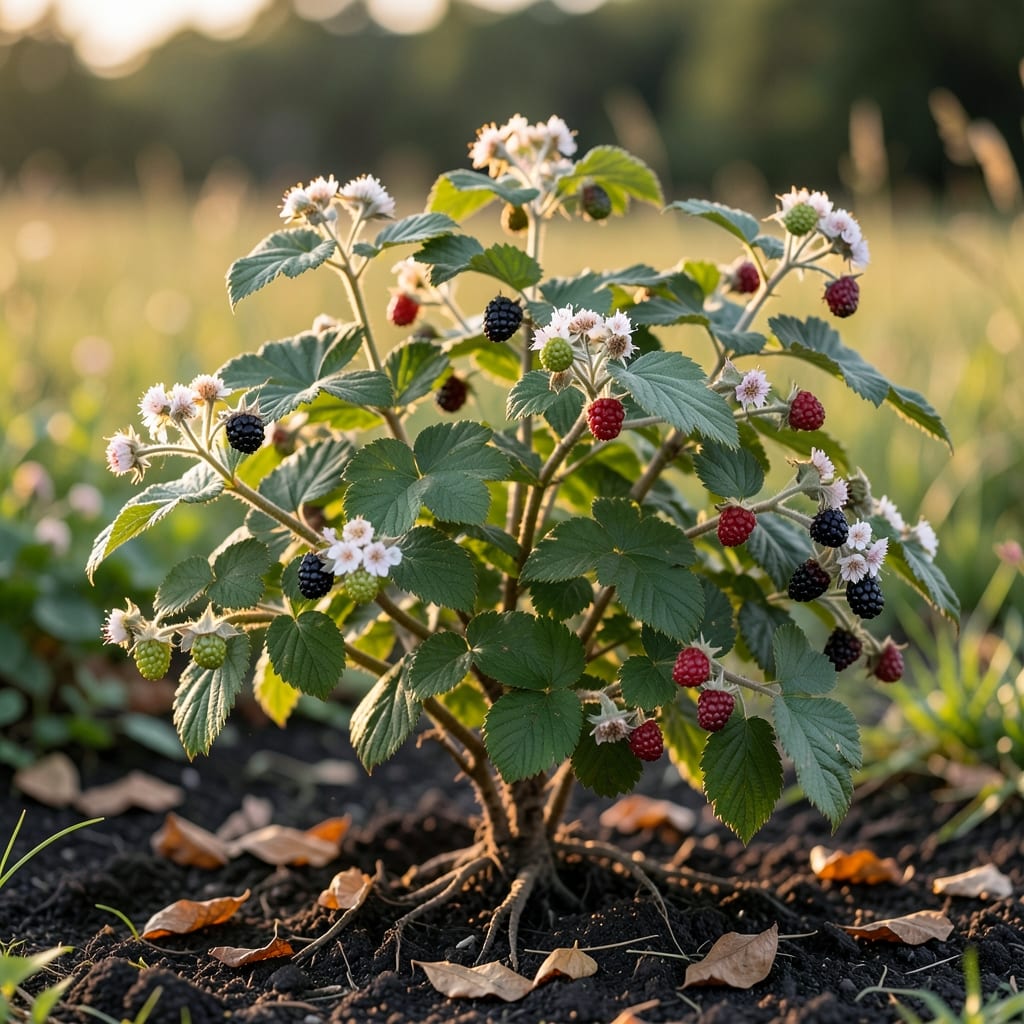
Blackberries progress from hard green to red, then deep purple or black when fully ripe. They soften, sweeten, and detach easily from the plant at peak maturity.
I notice the most dramatic change happens in the final 24-48 hours, when the berries shift from dull red to glossy black. This color transformation signals the natural sugars are peaking, while the slight give when pressed indicates perfect texture. The plant often gives a gentle tug when they’re ready—almost like it’s offering them to you. ✨
💡 In This Article
The journey starts with hard green drupelets clustered tightly together, packed with chlorophyll and minimal sugar. These early berries resist pressure and contain high levels of acids like citric and malic, making them tart and unpleasant to eat. The plant directs energy into growth rather than sweetness at this stage.
As the berries enter the red phase, chlorophyll breaks down while anthocyanin pigments begin forming. You’ll notice the color shift from green to pale pink, then deepen to vibrant red over 3-5 days. Sugar content rises from 2-4% to 6-8%, but the texture remains firm and the flavor still leans tart. 🔥
The final transformation occurs rapidly. In the last 24-48 hours, the red fades to deep purple then glossy black as anthocyanins fully develop. Sugar concentration spikes to 10-12%, while the drupelets soften and separate slightly. The seeds inside also darken from white to deep brown, a clear visual cue of maturity.
This color progression isn’t just cosmetic—it’s driven by the berry’s metabolic processes. The plant stops sending water to the fruit at peak ripeness, which is why fully black berries often appear slightly duller than their deep purple predecessors. This water loss actually concentrates the flavors.
What most people miss is the core transformation. The white receptor (the part that stays on the plant) changes from firm to soft, then detaches completely when the berry is at its sweetest. This natural detachment mechanism is the plant’s way of ensuring seeds spread only when they’re viable.
Temperature and sunlight accelerate these changes. Berries ripen 20-30% faster in 75-85°F weather with full sun exposure, compared to cooler, cloudy conditions. This explains why the same cluster can have berries at different stages in varying weather. ✨
Green to red takes 3-5 days, while red to black happens quickly in 24-48 hours.
Lack of sunlight or cool temperatures can stall ripening. Berries in shade may remain red but are often still sweet enough to pick.
No, they’ll be very tart. Wait until they’re fully black and come off the plant with a gentle tug.
Gently press the berry—ripe ones give slightly. Also check the core: it should pull away cleanly when ready.
This happens in hot, dry weather when sugar development outpaces softening. Let them stay on the plant 12-24 hours longer.