
Beautiful Plants For Your Interior
Beautiful Plants For Your Interior
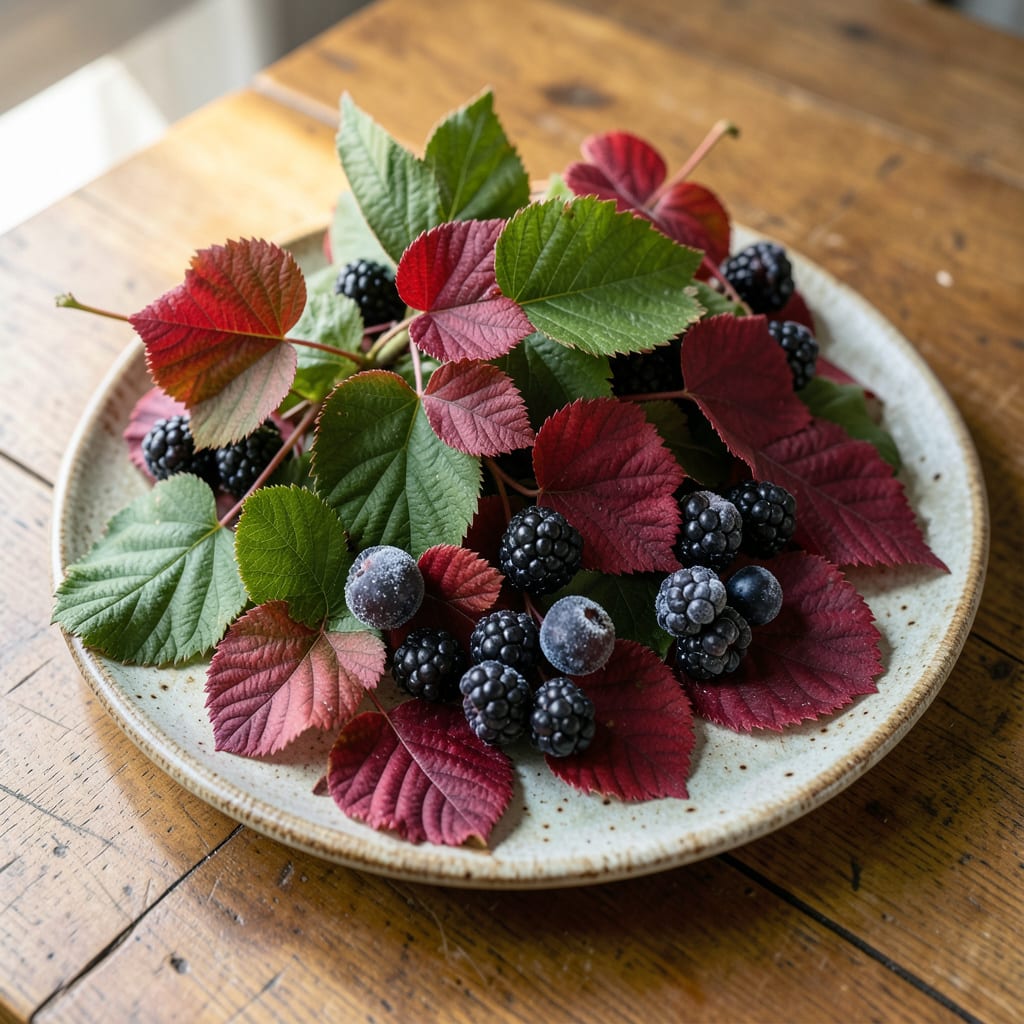
Red leaves on your blackberry bushes aren’t just a color change—they’re a distress signal. I’ve seen this happen mid-season when plants get too much water or not enough phosphorus, and the fix is simpler than you’d think.
First, check your watering routine. Soggy soil smothers roots, while dry spells stress the plant. Both can turn leaves red overnight. A quick soil test often reveals the real culprit: nutrient imbalance.
Phosphorus deficiency shows up as deep red or purple leaves, especially on older growth. Nitrogen issues hit new leaves first. Once you know the cause, the solution is just a soil amendment or watering adjustment away.
The plants bounce back fast with the right care. Within 2-3 weeks, you’ll see green returning to those leaves.
Blackberry leaves turning red often signal an underlying issue with the plant’s health or environment. Below are the most common causes, explained with actionable insights.
Extreme temperatures, especially cold snaps or heatwaves, can trigger reddening in blackberry leaves. Anthocyanins, the pigments responsible for red hues, accumulate as a protective response to stress. If temperatures drop below 28°F (-2°C) or rise above 90°F (32°C), leaves may turn red. Solution: Use row covers for frost protection or provide shade cloth during heat spikes.
Excess moisture suffocates roots, reducing their ability to absorb nutrients like nitrogen and phosphorus. This leads to nutrient deficiencies, often manifesting as red or purple leaves. Waterlogged soil also encourages root rot. Solution: Ensure well-draining soil and water only when the top 1-2 inches of soil are dry.
A lack of phosphorus (P) or magnesium (Mg) is a frequent culprit. Phosphorus deficiency causes older leaves to turn dark red or purple, while magnesium deficiency leads to reddening between leaf veins. Solution: Conduct a soil test and amend with bone meal (for phosphorus) or Epsom salt (for magnesium).
Diseases like rust or leaf spot can cause red or orange discoloration. Rust appears as pustules on leaf undersides, while leaf spot creates red-rimmed lesions. Solution: Remove infected leaves, improve air circulation, and apply copper-based fungicides preventatively.
If your blackberry leaves are turning red, act fast with these targeted fixes for common causes:
Prevention: Soil test every spring and amend with compost. 💡
Prevention: Water only when the top inch of soil is dry, and use raised beds in heavy clay soil. ⏰
Prevention: Plant in a location with morning sun and avoid black plastic mulch, which heats up. 🌡️
Prevention: Prune for airflow and avoid overhead watering. ✨
With proper care, you’ll see improvement in 2-3 weeks. New growth emerges green first, while older leaves may stay red until they drop naturally. Consistency is key for full recovery.
Yes, intense sunlight and heat stress can trigger reddening. Provide afternoon shade and mulch to protect roots. Shade cloth works well during extreme heat.
A home soil test kit from a garden center gives quick results. For $10-$20, you’ll know exactly what’s missing. Focus on phosphorus and magnesium levels first.
Only remove leaves that are severely damaged or diseased. If they’re just discolored but healthy, leave them—they still contribute to photosynthesis. Prune carefully to avoid stressing the plant.
