
Beautiful Plants For Your Interior
Beautiful Plants For Your Interior
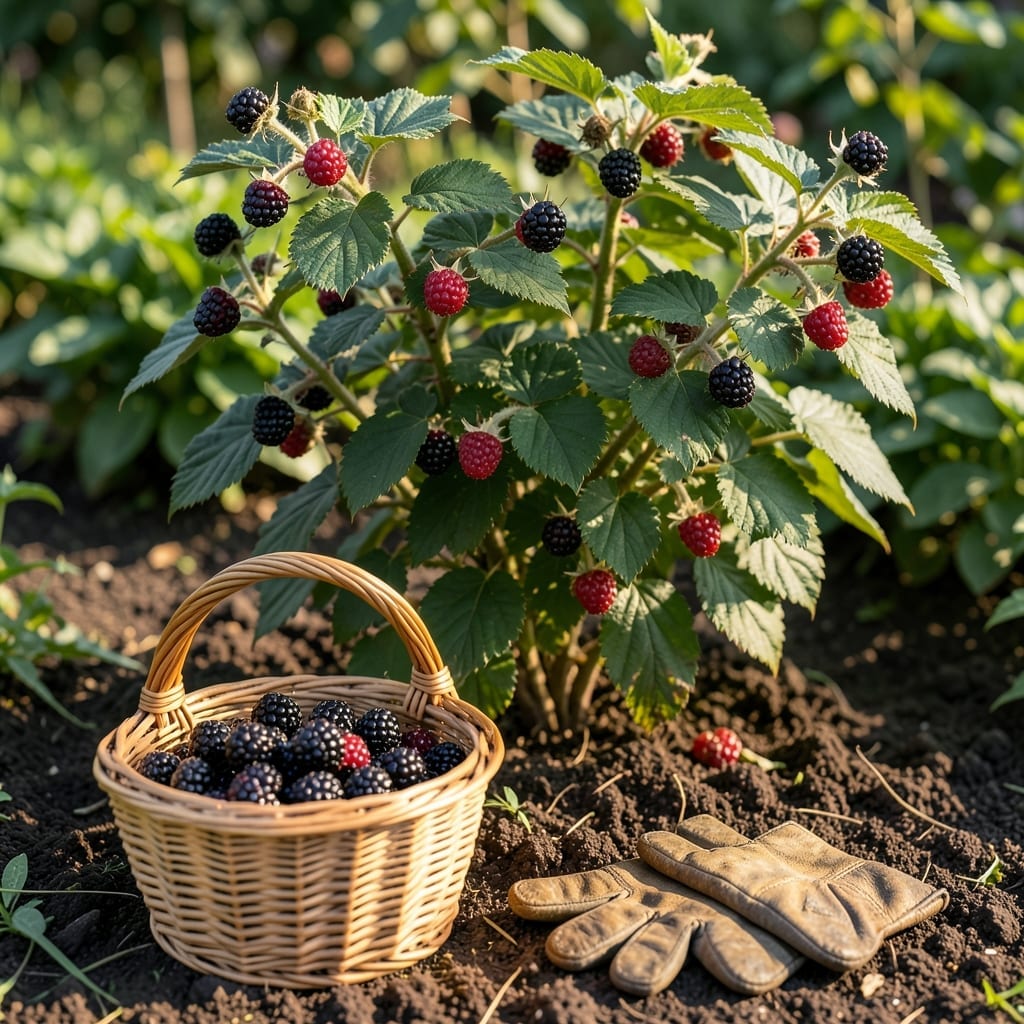
That first bite of a perfectly ripe blackberry is pure magic – bursting with sweetness that makes all your gardening efforts worthwhile. But get the timing wrong, and you’ll be left with tart, underripe berries that disappoint.
The 🫐 Blackberry doesn’t reveal its secrets easily. One day it’s firm and red, the next it might be overripe and mushy. Learning to read the subtle signs is what separates the amateur picker from the pro.
From my years of tending these bushes in zones 5-10, I’ve discovered the foolproof indicators of peak ripeness. The color, the give when you touch it, even the way it smells – they all tell a story.
Let me share these field-tested secrets so you can confidently harvest at the perfect moment every time. Your taste buds will thank you.

I always tell gardeners that blackberry harvest time is all about visual and tactile cues. The first sign I look for is a deep black or purple hue that replaces the initial red or green.
A perfectly ripe blackberry will have a dull surface, not shiny, and feel slightly soft when gently pressed. If it’s still firm or resists separation from the plant, it’s not ready yet.
| Ripeness Sign | Description |
|---|---|
| Color | Deep black or purple |
| Texture | Slightly soft to touch |
| Surface | Dull, not shiny |
| Separation | Easily pulls from core |
| Aroma | Sweet, rich scent |
One common mistake I see is picking too early when berries are still red or purple. These will be tart and lack the sweetness we all love in blackberries.
Another error is waiting too long. Overripe blackberries become mushy and fall apart easily, which makes them hard to handle and store.
I also check the core of the berry. When fully ripe, the white or green center turns solid black, ensuring the entire fruit is sweet and flavorful.
The ease of picking is another great indicator. A ripe blackberry should come off the plant with just a light tug, leaving the white receptacle on the bush.
If you have to pull hard, the berry isn’t ready. This simple test prevents damage to both the fruit and plant while ensuring peak flavor.
For the best results, I recommend checking your bushes every 2-3 days once they start ripening. Blackberries don’t all mature at the same time, even on the same cane.
Early morning is my preferred time to harvest. The berries are firm and cool, making them easier to handle and less likely to bruise. Plus, the sweetness is at its peak after a cool night.
With these tips, you’ll consistently pick blackberries at their perfect ripeness every time. 🌿
I’ve found that blackberry harvest time isn’t one-size-fits-all. Your USDA zone plays a huge role, with earlier ripening in warmer climates and later in cooler areas. Even within the same zone, microclimates can shift your window by weeks.
Early-season varieties like ‘Apache’ often ripen 2-3 weeks before late-season types such as ‘Chester’. This variation means you might harvest from June to September, depending on your location and plant choice.
Temperature swings can accelerate or delay ripening. A heat wave might rush your berries to maturity, while cool spells can pause development. I always watch the 10-day forecast when my berries start changing color.
In my Zone 7 garden, I typically see the first ripe blackberries around July 1st, but last year’s cool spring pushed everything back by 10 days. That’s why I recommend checking your plants daily as harvest season approaches.
Regional humidity also affects ripeness. In dry climates, berries may develop more concentrated sugars, while humid areas can lead to faster deterioration after picking. This is why I always harvest in the early morning when berries are cool and firm.
Remember that container-grown blackberries often ripen slightly earlier than in-ground plants due to warmer root zones. I’ve noticed this with my potted ‘Natchez’ bushes, which consistently beat my garden plants to ripeness by 3-5 days.
☀️