
Beautiful Plants For Your Interior
Beautiful Plants For Your Interior
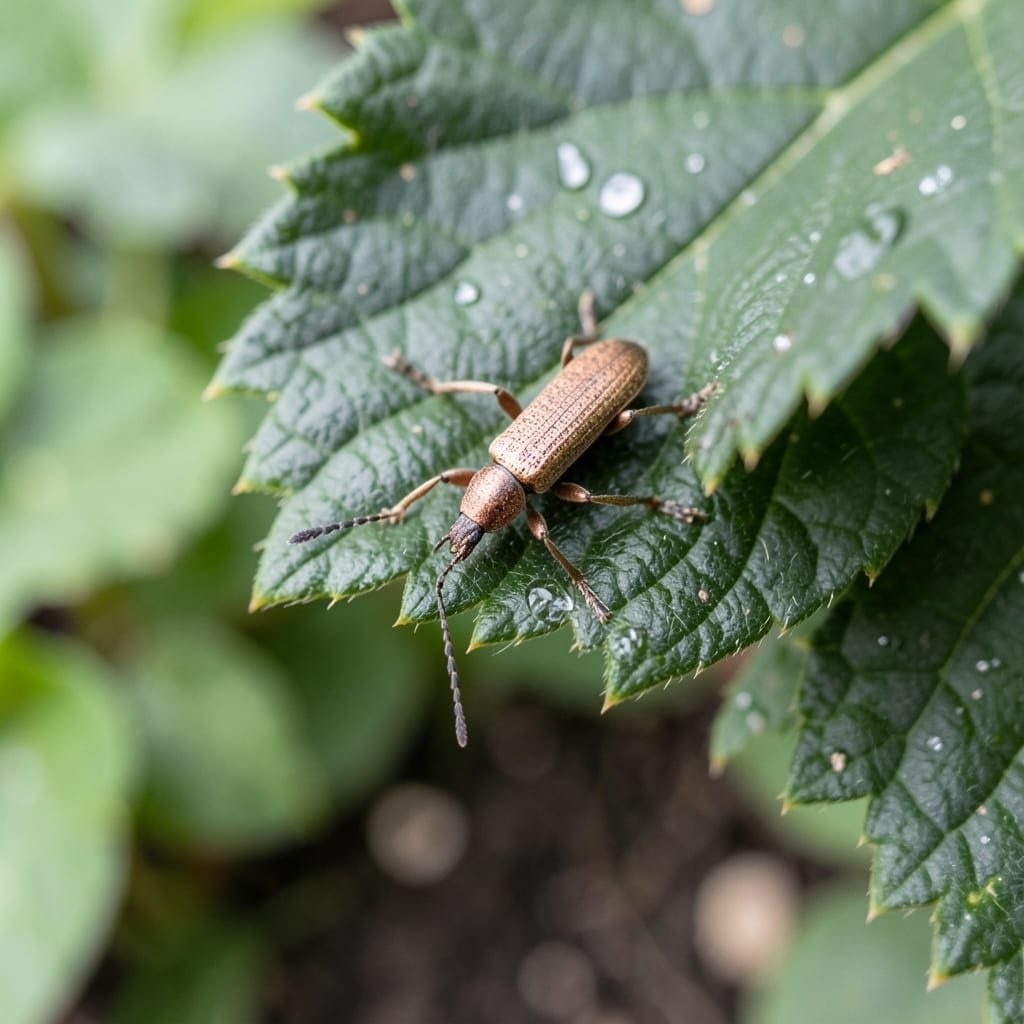
Wilted blackberry tips in summer usually mean one thing. I lost three prized canes before realizing the culprit was hiding inside the stems, not in the soil.
The damage starts small—egg-laying punctures in the bark—but spreads fast as larvae tunnel upward, cutting off water flow. Catching it early saves your harvest and next year’s growth, but most people miss the first signs.
You’ll spot the entry holes, frass near the base, and sudden wilting on otherwise healthy canes. The fix involves pruning below the damage and removing infested material immediately to stop the spread.
Prevention beats treatment every time. Inspect new canes weekly and clean up garden debris where adults overwinter.
The blackberry cane borer infestation often stems from specific environmental and biological triggers. Understanding these causes helps gardeners prevent and manage outbreaks effectively.
The primary cause is the lifecycle of the O. longicollis beetle. Adults lay eggs in cane cracks or wounds during late summer. Larvae bore into the cane, where they overwinter, weakening the plant. Pruning at the wrong time (e.g., late fall) can leave fresh wounds vulnerable to egg-laying.
Improper pruning—such as leaving stubs or failing to remove dead canes—creates entry points for borers. Infested canes left in the garden allow larvae to mature and spread. Always prune immediately after harvest and destroy (not compost) removed canes to break the lifecycle.
Drought, waterlogging, or nutrient deficiencies stress blackberry plants, making them more susceptible to borer attacks. Healthy, vigorous canes resist infestation better. Ensure consistent moisture and balanced fertilization to maintain plant resilience.
Borers can hitchhike on tools, gloves, or infected plant material moved between gardens. Sanitize pruning tools with rubbing alcohol and inspect new plants for signs of infestation (e.g., wilting tips or tiny holes) before introduction.
Dealing with cane borers in your blackberry patch can feel daunting, but these targeted solutions will help you reclaim healthy, thriving plants. Here’s how to tackle each cause head-on.
If you spot wilting tips or tiny holes in the canes, prune and burn the affected sections immediately. Cut at least 6–8 inches below the visible damage to ensure you remove all larvae. Do not compost these clippings—dispose of them in sealed bags or burn them to prevent reinfestation. 💡 Prevention tip: Inspect new canes weekly during growing season and remove any with unusual swelling or dieback.
Adult beetles lay eggs in cane cracks, so apply sticky traps near plants in early spring to catch them before they breed. For a natural barrier, wrap young canes with fine mesh or horticultural fleece until they harden. This blocks access to egg-laying sites. 🎯 Prevention tip: Keep the area around blackberries free of weeds and debris where adults may hide.
Prune after harvest in late summer or early fall to remove old canes before adults emerge. This eliminates their food source and breeding ground. Avoid pruning in spring, as this is when adults are most active. ✨ Prevention tip: Thin canes in winter to improve airflow, making it harder for pests to settle in.
Stressed plants attract more pests. Mulch with organic matter to retain moisture and fertilize lightly with compost to keep canes vigorous. Healthy plants recover faster and resist infestations better. 🌡️ Prevention tip: Water at the base of plants—avoid wetting the canes, which can soften them and make them more susceptible to borers.
Look for wilted tips, tiny holes in the bark, or sawdust-like frass near the base. Infested canes often show sudden dieback despite healthy growth elsewhere.
Prune immediately after harvest in late summer or early fall. This removes old canes before adults emerge to lay eggs. Avoid spring pruning.
Never compost infested material. Burn or dispose of in sealed bags to prevent larvae from surviving and reinfesting your garden.
Use sticky traps in early spring and wrap young canes with fine mesh. Sanitize tools with rubbing alcohol to stop the spread.