
Beautiful Plants For Your Interior
Beautiful Plants For Your Interior
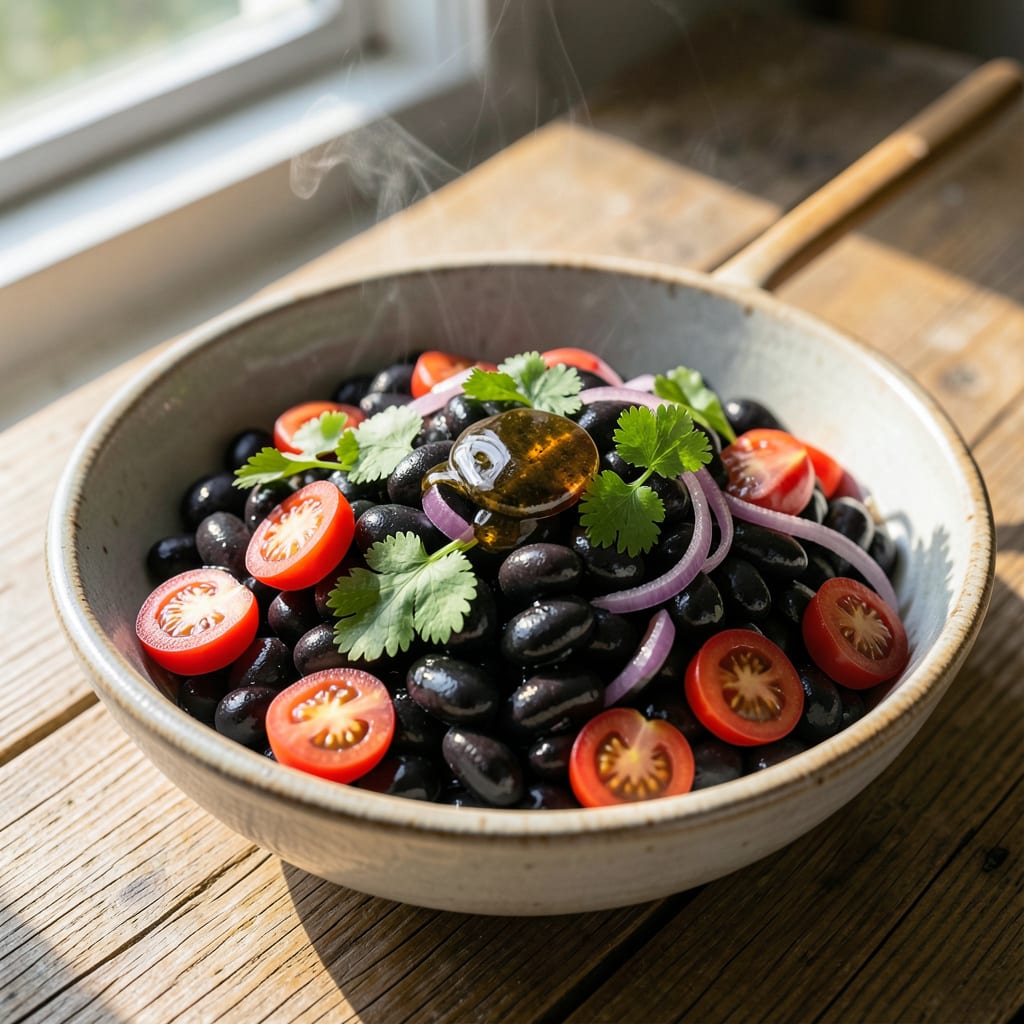
Black turtle beans changed my garden game. These compact plants produce heavy yields in small spaces without needing trellises, and they thrive in full sun with minimal fuss.
I’ve grown them in raised beds and containers with equal success—they’re drought-tolerant once established and fix their own nitrogen. Harvest fresh for shelling or let them dry on the vine for storage. Simple, productive, and perfect for beginners.
📚 In This Guide
Here’s the method I trust for a reliable harvest of these compact, flavorful plants.
Choose a location with full sun exposure—black turtle beans require at least 6-8 hours of direct sunlight daily to produce well. The soil should be well-draining with a pH between 6.0 and 7.0. I test mine with a simple kit before planting to avoid issues later.
Work the soil to a depth of 8-10 inches, removing rocks and breaking up clumps. These beans prefer loose, fertile earth, so I mix in a 2-inch layer of compost to improve both drainage and nutrient content. Avoid heavy clay or waterlogged areas, as soggy roots lead to rot.
Plant seeds 1 inch deep and 2-3 inches apart in rows spaced 18-24 inches apart. Bush beans don’t need trellising, but they do need room to branch out. I drop two seeds per hole to ensure at least one germinates, then thin to the strongest seedling once they’re 2 inches tall.
Water the soil thoroughly after planting. You want it moist but not waterlogged—think of a wrung-out sponge. Germination typically occurs in 7-10 days when soil temperatures are 70-80°F. If it’s cooler, be patient; they’ll still come up but may take a few extra days.
Keep the soil consistently moist, especially during flowering and pod formation. I check the top 1 inch of soil daily—if it feels dry, it’s time to water. Drip irrigation or a soaker hose works best to avoid wetting the foliage, which can encourage disease.
Avoid overhead watering in the evening. Wet leaves overnight invite fungal issues like powdery mildew. Mulching with 1-2 inches of straw helps retain moisture and suppress weeds, which compete for nutrients. I apply mulch once seedlings are 4-6 inches tall.
Black turtle beans are light feeders, so I avoid high-nitrogen fertilizers, which promote leafy growth over pods. A balanced 10-10-10 fertilizer applied at planting and again when the first pods appear is sufficient. Work it into the soil gently to avoid disturbing the roots.
Watch for pests like Mexican bean beetles or aphids. I inspect plants every 2-3 days during peak growth. If I spot yellowing leaves or chewed foliage, I remove pests by hand or spray with neem oil in the early morning. Catching issues early prevents them from spreading.
Pods are ready to pick when they’re 4-6 inches long, firm, and glossy. I harvest every 3-4 days to encourage continuous production. Be gentle—pulling too hard can damage the plant. Use two hands: one to hold the stem and one to snap the pod off cleanly.
For fresh eating, pick when seeds are just visible as bumps inside the pod. For drying, leave pods on the plant until they turn brown and the seeds rattle inside. I dry mine indoors in a well-ventilated area, spreading them in a single layer until completely dry and hard.
These insights will help you avoid the pitfalls I’ve encountered over years of growing these beans.
Sunlight Requirement: The 6-8 hours of direct sunlight daily mentioned in Step 1 isn’t just a suggestion—it’s critical for a good harvest. I learned this the hard way when my first attempt in partial shade produced sparse, weak pods. Even a few hours less can significantly reduce your yield.
Soil Preparation: When working the soil to 8-10 inches deep in Step 1, don’t rush this process. I use a garden fork to loosen the soil thoroughly, removing every rock I find. The 2-inch layer of compost you mix in will make a noticeable difference in both drainage and plant vigor.
Watering Wisdom: In Step 3, that advice about checking the top 1 inch of soil daily is gold. I use my finger to test moisture—if it feels dry at that depth, it’s time to water. Remember, the soil should feel like a wrung-out sponge, not soggy. Overwatering is just as harmful as underwatering.
Pest Prevention: The 2-3 day inspection schedule in Step 4 is your best defense against pests. I set a phone reminder to check my plants regularly. When using neem oil, apply it early in the morning so it has time to dry before the heat of the day, which can cause leaf burn.
Black turtle bush beans typically mature in 90–120 days, depending on growing conditions. Ensure consistent watering and full sun for optimal growth.
Yes! Use a deep container (at least 12 inches) with well-draining soil. Bush varieties adapt well to pots, but ensure they get 6+ hours of sunlight daily.
If unavailable, try pinto or kidney beans—both share similar growing habits and culinary uses. All are drought-tolerant and thrive in warm climates.
Yellowing leaves often signal overwatering or nutrient deficiency. Check soil moisture and add compost for nitrogen. Avoid soggy roots to prevent rot.
