
Beautiful Plants For Your Interior
Beautiful Plants For Your Interior
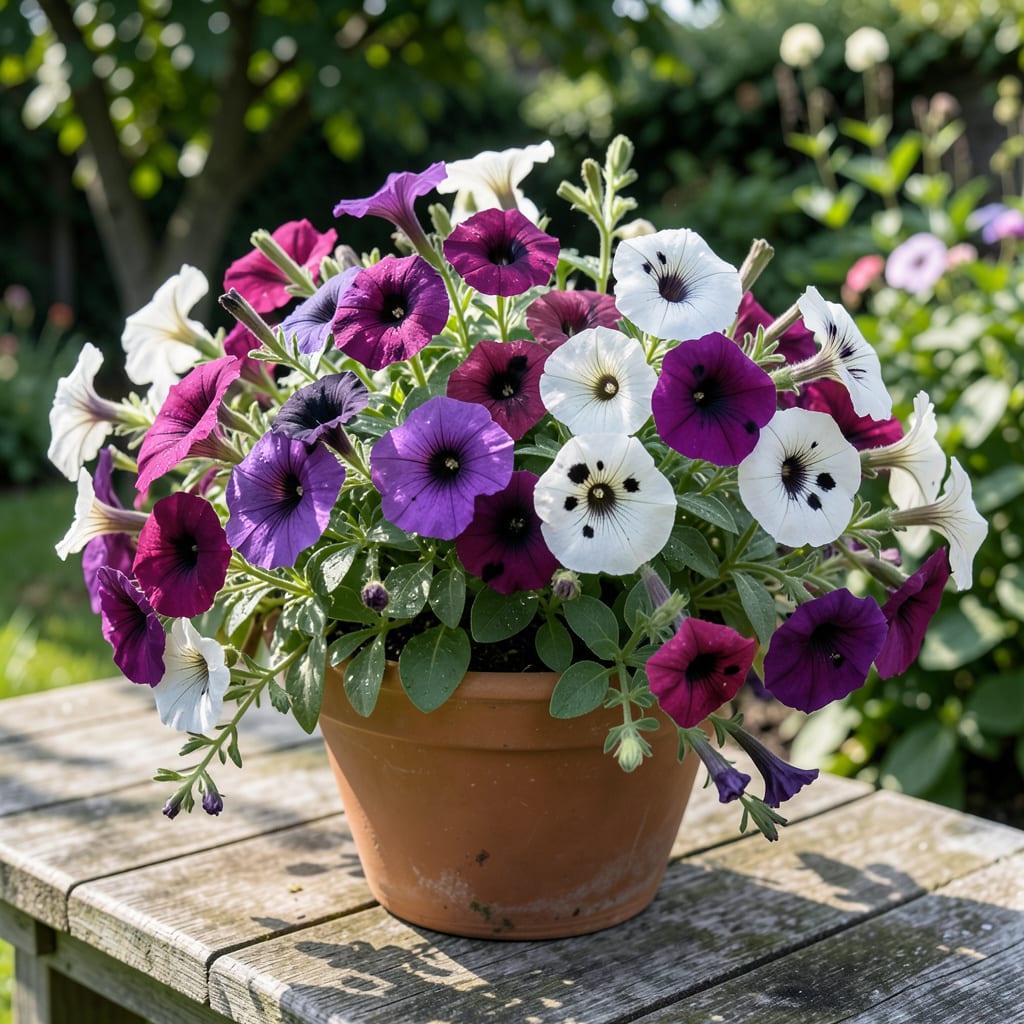
Spotted black marks on your petunias are a red flag you can’t ignore. I’ve seen this issue wipe out entire flower beds when left untreated, but catching it early makes all the difference.
These spots usually mean fungal trouble, often from overwatering or poor air circulation. Sometimes pests or environmental stress play a role, but the pattern tells you what you’re dealing with.
Organic treatments work surprisingly well here. A simple baking soda spray or neem oil application can stop the spread within days. Prevention is even easier once you know the triggers.
You’ll save your petunias and keep them blooming through the season. The fix takes less than 30 minutes and costs almost nothing.
Black spots on petunias are a distress signal, often tied to environmental stress or pathogenic invaders. Here’s a breakdown of the most common culprits:
Fungi like Alternaria or Cercospora thrive in wet, humid conditions. They produce dark, irregular spots on leaves, often with yellow halos. Overhead watering or poor air circulation accelerates their spread. These pathogens release enzymes that break down plant tissue, leading to the characteristic black lesions.
Excess moisture—whether from heavy rainfall, improper irrigation, or compacted soil—creates a breeding ground for root rot and foliar diseases. When roots suffocate, they fail to absorb nutrients, weakening the plant and making it susceptible to secondary infections that manifest as black spots.
Aphids, spider mites, and thrips pierce plant cells to feed, leaving behind wounds that turn black as they oxidize or become entry points for pathogens. Their sticky residue (honeydew) also fosters sooty mold, a black fungal growth that further stresses the plant.
Extreme heat, cold snaps, or sudden temperature swings can cause cellular damage in petunias, leading to necrotic (dead) tissue that appears as black spots. This is often worsened by inconsistent watering or nutrient deficiencies, which compromise the plant’s natural defenses.
A lack of essential nutrients like calcium or potassium can disrupt cell wall integrity, making leaves more prone to discoloration and spotting. Over-fertilization, especially with high-nitrogen formulas, can also trigger salt burn, which presents as dark, crispy patches.
Tackling black spots on petunias starts with identifying the cause and applying the right fix. Here’s a practical guide to restore your plants’ health and keep them thriving.
If fungal diseases like leaf spot or anthracnose are to blame, start by removing infected leaves to prevent spreading. Thin out dense foliage to boost airflow, and avoid overhead watering—opt for a soaker hose instead. Apply a copper-based fungicide or a homemade mix of 1 tsp baking soda + 1 quart water + a drop of dish soap as a spray. Reapply every 7–10 days until spots disappear.
Prevention tip: 💡 Space plants 12–18 inches apart and water early in the day so leaves dry quickly.
For pests like aphids or spider mites, blast them off with a strong stream of water or wipe leaves with a soapy water solution (1 tsp mild soap per quart of water). Introduce beneficial insects like ladybugs or use neem oil spray for persistent infestations. Check undersides of leaves weekly for early signs.
Prevention tip: 🎯 Encourage natural predators by planting companion flowers like marigolds nearby.
Overwatering or drought can both cause black spots. Check soil moisture by sticking your finger 1 inch deep—if dry, water deeply; if soggy, hold off. Use mulch to retain moisture without waterlogging. Ensure pots have drainage holes to prevent root rot.
Prevention tip: ⏰ Water consistently in the morning, aiming for 1–1.5 inches per week, including rainfall.
Yellowing leaves with black spots may signal a magnesium or potassium deficiency. Use a balanced, water-soluble fertilizer (10-10-10 or 20-20-20) every 2–4 weeks during growing season. For organic options, try compost tea or banana peel fertilizer for potassium.
Prevention tip: ✨ Test soil annually and amend with compost to maintain nutrient-rich conditions.
Not always. While fungal infections are common, they can also come from pest damage, overwatering, or even nutrient deficiencies. Check for sticky residue or pests first to narrow it down.
Fungal spots often have yellow halos and spread quickly in wet conditions. Pest damage leaves tiny holes or webbing. Inspect leaf undersides for bugs or eggs to confirm.
Yes! A baking soda spray (1 tsp per quart of water) works for fungi, while neem oil handles pests. Apply early morning or late evening for best results.
Most petunias bounce back within 1-2 weeks if treated early. Remove heavily damaged leaves and maintain consistent care to speed up recovery.
