
Beautiful Plants For Your Interior
Beautiful Plants For Your Interior
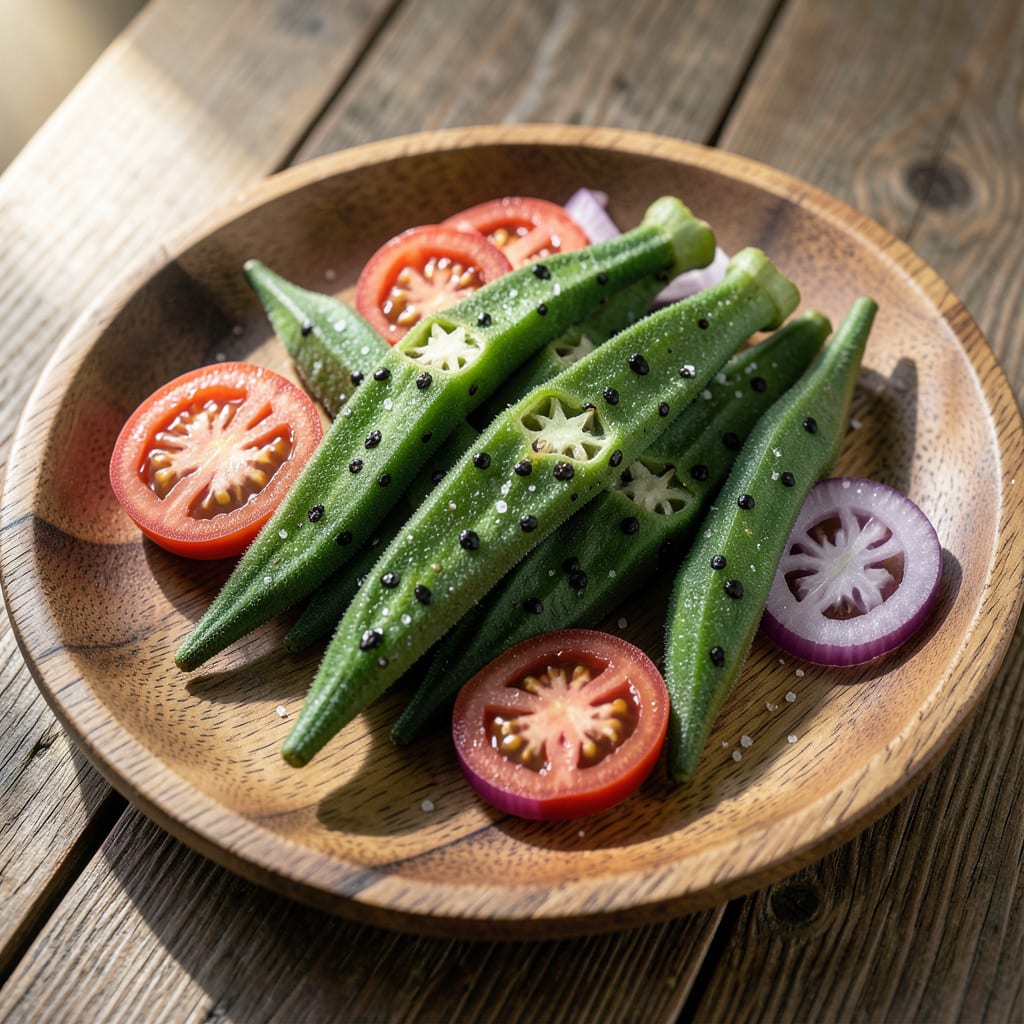
Black spots on okra leaves stopped me in my tracks last summer. I thought my plants were goners, but a few simple changes turned them around completely.
Turns out, most cases come from fungal issues or pest damage that spreads fast in humid weather. Catching it early means the difference between a salvaged crop and a total loss.
With consistent monitoring and the right treatment, your plants can recover and still produce a full harvest. The key is acting before the spots spread to stems.
Works for backyard gardens and container-grown okra alike. Here’s how to spot the warning signs before it’s too late.
Understanding why black spots appear on okra is the first step to solving the problem. These unsightly blemishes can stem from several underlying issues, each with distinct triggers.
Fungi like Alternaria and Cercospora thrive in warm, humid conditions, attacking okra leaves and pods. These pathogens produce spores that spread via water or wind, leading to circular or irregular black spots. Overhead watering and poor air circulation exacerbate fungal growth, so ensure proper spacing and drip irrigation to minimize risk.
Sap-sucking pests such as aphids, whiteflies, or stink bugs can cause black spots indirectly. Their feeding wounds create entry points for secondary infections, while their sticky honeydew residue fosters sooty mold—a black, fungal coating. Regularly inspect plants for pests and use organic insecticides like neem oil to keep populations in check.
A lack of calcium in the soil can lead to blossom-end rot, which manifests as dark, sunken spots on okra pods. This nutrient imbalance disrupts cell wall formation, making tissues vulnerable to decay. Test soil pH (aim for 6.0–7.0) and amend with lime or gypsum to restore calcium levels.
Extreme heat, drought, or excessive moisture can stress okra plants, weakening their defenses. Heat stress may cause scorch-like black patches, while waterlogged roots invite root rot, which spreads upward. Mulch to retain soil moisture, and water consistently—avoiding both drought and soggy conditions.
Tackling black spots on okra starts with identifying the root cause. Below are targeted fixes for the most common issues, along with prevention tips to keep your plants healthy.
Fix: Remove and destroy infected leaves or pods immediately to prevent spread. Apply a copper-based fungicide or a homemade spray of 1 tsp baking soda + 1 quart water + a few drops of dish soap. Reapply every 7–10 days until the issue clears.
Prevention: 💡 Improve air circulation by spacing plants 18–24 inches apart. Water at the base (not overhead) in the morning to allow foliage to dry quickly.
Fix: Blast pests off with a strong stream of water. For stubborn infestations, use neem oil or insecticidal soap, spraying both sides of leaves. Repeat every 3–5 days until pests are gone.
Prevention: ✨ Encourage natural predators like ladybugs by planting companion flowers (e.g., marigolds). Inspect plants weekly for early signs of pests.
Fix: Amend soil with crushed eggshells (for calcium) or Epsom salt (1 tbsp per gallon of water for magnesium). Apply as a soil drench every 2 weeks until new growth appears healthy.
Prevention: 🎯 Conduct a soil test before planting. Mix aged compost into the soil to ensure balanced nutrition.
Fix: For sunburn (small, dry spots), provide temporary shade with a shade cloth during peak afternoon hours. For overwatering, let the soil dry out and improve drainage by adding perlite or sand to the soil.
Prevention: 🌡️ Water deeply but only when the top inch of soil is dry. Mulch around plants to retain moisture and regulate temperature.
Consistency is key—monitor your okra plants regularly and act at the first sign of trouble for the best results!
Not always! They can come from pests, nutrient shortages, or stress. Fungal diseases cause most cases, but environmental factors like sunburn or overwatering can also create dark patches.
In warm, wet conditions, fungal spots can spread across leaves in 2-3 days. Pest-related spots appear more slowly. Early action prevents rapid progression.
Only if the spots are superficial and limited to leaves. Discard any pods with dark, sunken areas, as these may indicate rot or fungal contamination.
Space plants 18-24 inches apart for airflow. Water at the base in mornings, and remove affected leaves immediately to stop spread.
