
Beautiful Plants For Your Interior
Beautiful Plants For Your Interior
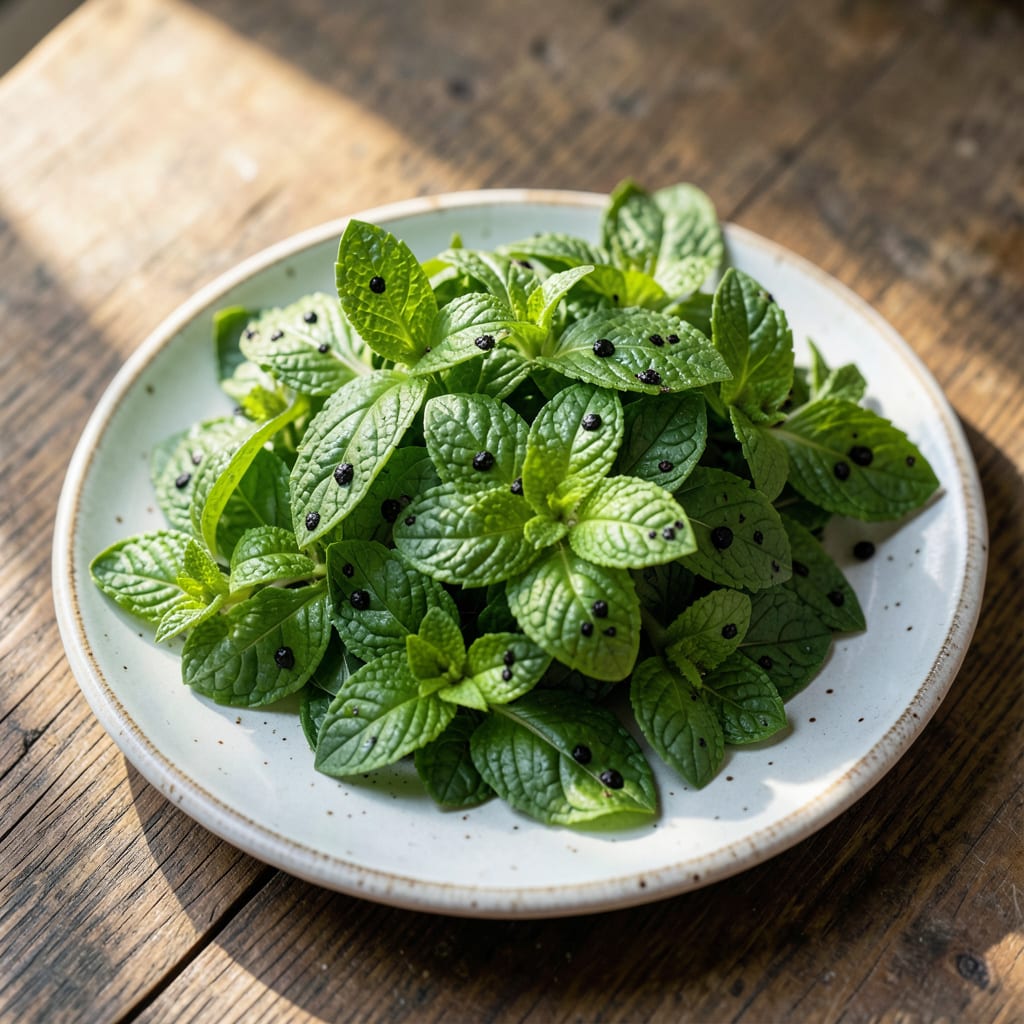
Those black spots on your mint aren’t just ugly—they’re a distress signal. 🌱 I ignored mine for a week and lost half my plant to spreading infection.
Most cases come down to 3 culprits: fungal infections from too much moisture, pest damage, or stress from poor drainage. The good news? All three are fixable with early action.
You’ll see new growth return within 7-10 days of treatment. The key is removing affected leaves immediately and adjusting your care routine to prevent recurrence.
Works for potted mint, garden beds, or windowsill planters. Here’s how to save your plants.
Black spots on mint leaves are usually a sign of underlying stress or disease. Here are the most common causes, explained simply:
Fungi like Alternaria or Cercospora thrive in damp, poorly ventilated conditions. They appear as dark, irregular spots, often with yellow halos. Overwatering or high humidity accelerates their spread. Action: Improve airflow, avoid wetting leaves, and remove infected foliage immediately.
Sap-sucking pests such as aphids, spider mites, or thrips can weaken mint, leaving behind blackened, necrotic spots where they feed. Their piercing mouthparts also introduce pathogens. Action: Inspect leaf undersides and treat with neem oil or insecticidal soap at first sight.
Extreme heat, cold drafts, or sudden temperature swings can cause cellular damage, manifesting as dark, scorched spots. Mint prefers stable conditions between 60–75°F (15–24°C). Action: Move potted mint to a sheltered spot and maintain consistent watering to prevent shock.
Soggy soil suffocates roots, leading to poor nutrient uptake and leaf discoloration. Black spots may appear as the plant starves or rots from the bottom up. Action: Let the top inch of soil dry between waterings and ensure pots have drainage holes.
A lack of essential minerals like calcium or potassium can cause tissue death, resulting in black or brown spots. This often starts on older leaves. Action: Test soil and amend with a balanced organic fertilizer or compost to restore nutrient balance.
If your mint plants are showing unsightly black spots, here’s how to tackle each cause with simple, organic fixes.
Fungal issues like Alternaria or leaf spot thrive in damp conditions. Fix: Remove infected leaves immediately to stop the spread. Spray the plant with a neem oil solution (1 tbsp neem oil + 1 tsp dish soap + 1 quart water) every 5–7 days until spots disappear. Prevention: Improve airflow around plants and water at the base to keep leaves dry. 💡 Pro tip: Space mint plants 12–18 inches apart for better ventilation.
Aphids, spider mites, or mint flea beetles can cause black spots by feeding on leaves or spreading sooty mold. Fix: Blast pests off with a strong stream of water, then apply insecticidal soap (follow label instructions). For stubborn beetles, handpick them in the early morning. Prevention: Introduce beneficial insects like ladybugs, or spray a garlic-chili solution (blend 2 garlic cloves + 1 chili pepper + 1 liter water, strain, and spray) weekly as a deterrent. 🌡️ Hot tip: Avoid over-fertilizing—it attracts aphids!
Too much sun, poor soil, or waterlogged roots can stress mint, leading to dark patches. Fix: Move potted mint to partial shade (4–6 hours of sunlight) and ensure the soil drains well. For garden mint, mix in compost to improve soil health. Prevention: Water when the top inch of soil is dry, and mulch around the base to retain moisture without sogginess. ✨ Remember: Mint loves consistent moisture but hates wet feet!
Herbicides, harsh soaps, or physical wounds (e.g., from tools) can create blackened areas. Fix: Rinse leaves thoroughly with water if chemical exposure is suspected. Trim damaged foliage to encourage new growth. Prevention: Use organic, plant-safe products, and sanitize tools with rubbing alcohol between uses. 🎯 Target: Always test sprays on a single leaf first to check for sensitivity.
No, they can also come from pests, overwatering, or environmental stress like direct sun. Check for webbing (mites) or sticky residue (aphids) first.
It’s safe if the spots are small and you wash the leaves. Avoid heavily damaged leaves—they may taste bitter.
Improve drainage, water at the base, and space plants 12-18 inches apart. Apply neem oil every 2 weeks as a preventive.
Yes, fungal spores and pests can jump to nearby plants. Isolate affected mint and treat immediately to protect others.
