
Beautiful Plants For Your Interior
Beautiful Plants For Your Interior
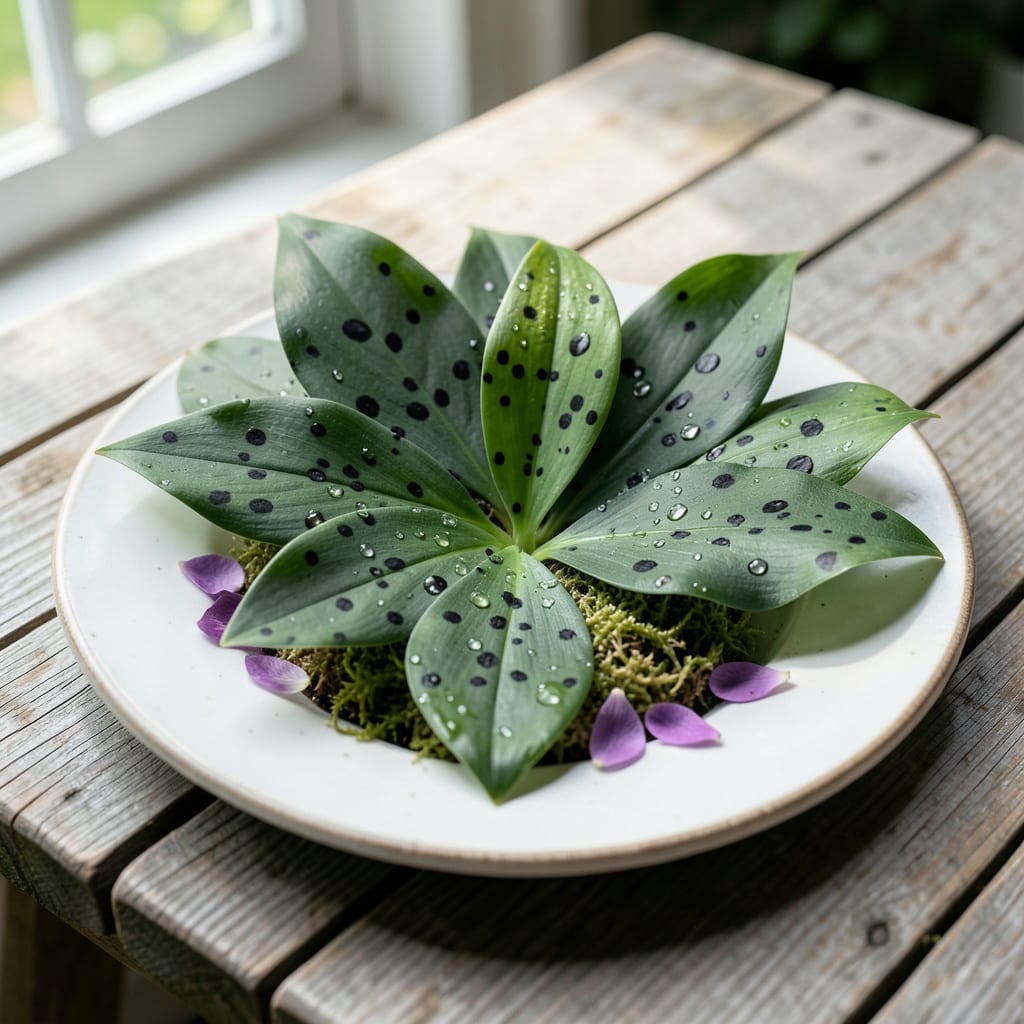
those dark splotches on your lily leaves aren’t just ugly – they’re a red flag from your plants. I’ve seen entire beds wiped out by ignoring early signs, but catching it fast changes everything.
Most black spots come from fungal infections that thrive in wet conditions. Overwatering, poor air flow, or splashing water on leaves creates the perfect storm. The good news? Simple changes in your routine can stop the spread.
You’ll start seeing healthier foliage within 2-3 weeks of treatment. The key is removing infected leaves immediately and adjusting your watering habits. Prevention is easier than cure with this one.
Works for all lily varieties, whether in garden beds or containers. Here’s exactly how to turn it around.
Black spots on lily leaves are often a sign of underlying issues, ranging from fungal infections to environmental stress. Below are the most common causes, explained with actionable insights.
The primary culprit is Botrytis blight (or gray mold), a fungus that thrives in cool, wet conditions. It produces dark, water-soaked spots that later develop fuzzy gray spores. Another common fungus, Alternaria, causes concentric black rings. Both spread via spores in water or soil, especially in crowded plantings with poor airflow.
Excess moisture—whether from overwatering, poor drainage, or high humidity—creates a breeding ground for fungi and bacteria. Lilies in soggy soil or splashed with overhead watering are particularly vulnerable. Root rot can also manifest as blackened foliage due to nutrient uptake failure.
Sap-sucking pests like aphids and lily leaf beetles weaken plants, leaving behind wounds that invite secondary infections. Their feeding often causes yellowing or blackening at the edges of leaves. Slugs and snails may also chew irregular blackened patches.
Extreme heat, cold snaps, or sudden temperature swings can cause leaf scorch, appearing as dry, blackened spots. Similarly, excessive fertilizer (especially high nitrogen) may burn leaf tips, while nutrient deficiencies (e.g., potassium) can lead to necrotic spotting.
Dealing with black spots on your lily leaves can be frustrating, but don’t worry—there are practical solutions for every cause. Here’s how to tackle each issue and restore your plant’s health.
Fix: Remove infected leaves immediately to prevent the fungus from spreading. Apply a copper-based fungicide or a homemade solution of 1 tsp baking soda + 1 quart water + a drop of dish soap. Spray every 7–10 days until the spots disappear.
Prevention: Improve air circulation around your lilies, avoid overhead watering, and water early in the day so leaves dry quickly. 💡 Pro tip: Space plants at least 18 inches apart to reduce humidity buildup.
Fix: Wipe leaves with a damp cloth to remove aphids, mites, or scale. For stubborn pests, use neem oil or insecticidal soap, applying in the evening to avoid harming beneficial insects.
Prevention: Inspect new plants before bringing them near your lilies, and encourage natural predators like ladybugs. 🎯 Regularly check the undersides of leaves for early signs of pests.
Fix: Prune affected leaves with sterilized shears (dip in rubbing alcohol between cuts). Apply a bactericide like copper sulfate, and avoid watering until the plant recovers.
Prevention: Water at the base of the plant, not the leaves, and avoid working with wet foliage. ✨ Clean up fallen debris around the plant to eliminate bacterial hiding spots.
Fix: Let the soil dry out slightly between waterings. If the pot lacks drainage, repot your lily in well-draining soil and a container with drainage holes.
Prevention: Use a moisture meter to check soil dampness before watering. 🌡️ Aim for soil that’s moist but never soggy.
Fix: Test your soil with a kit to identify missing nutrients. Amend with a balanced fertilizer (10-10-10) or organic options like compost or worm castings.
Prevention: Feed lilies every 4–6 weeks during the growing season. 🔥 Avoid over-fertilizing, which can burn roots and stress the plant.
Fungal spots often start as small, dark brown or black patches with a yellow halo. They may develop fuzzy gray spores in damp conditions. Check for a musty smell or white powdery growth nearby.
Yes, remove infected leaves immediately with clean shears to prevent spreading. Disinfect tools between cuts and dispose of leaves in the trash, not compost.
A baking soda solution (1 tsp per quart of water) with a drop of dish soap works well for mild fungal issues. Spray every 7-10 days until spots disappear.
Improve airflow by spacing plants 18 inches apart. Water at the base in the morning so leaves dry quickly. Avoid overhead watering.
