
Beautiful Plants For Your Interior
Beautiful Plants For Your Interior
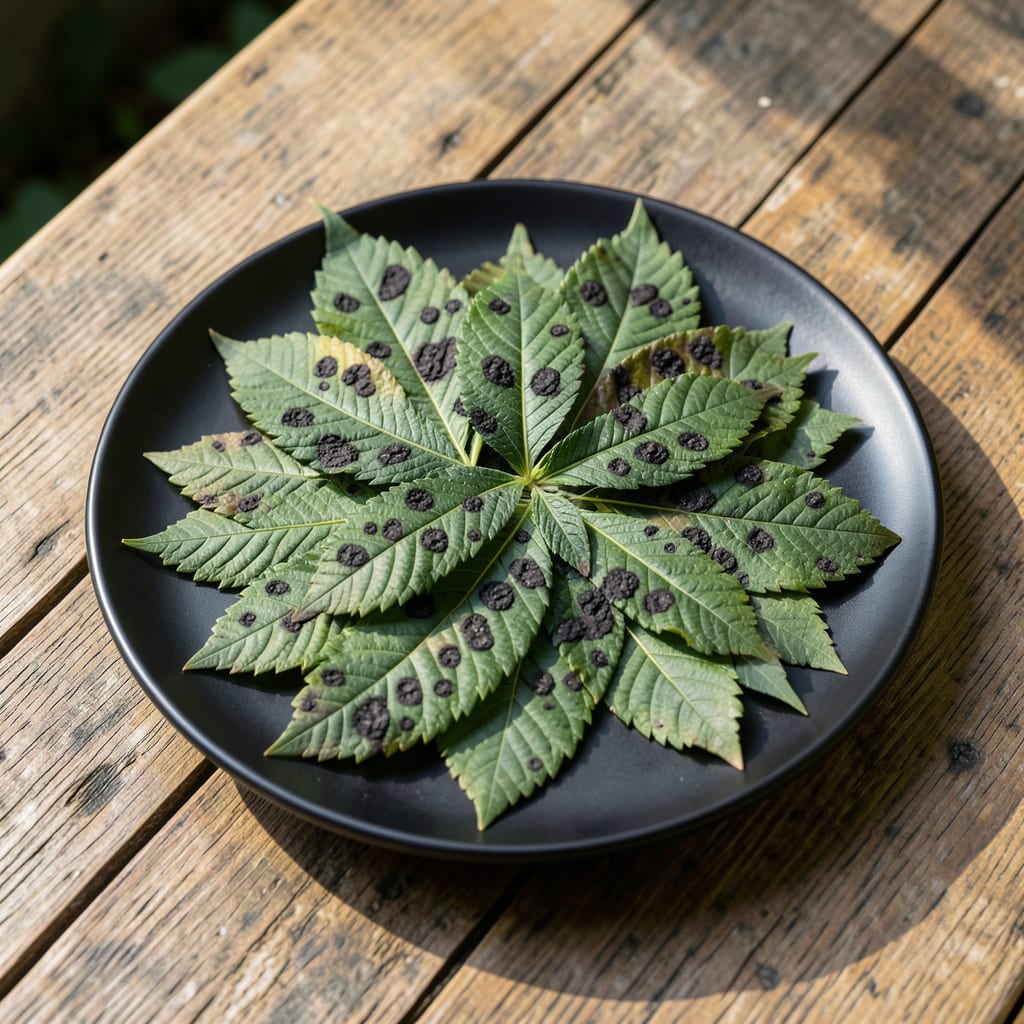
I’ve seen my share of panicked moments in the grow room, and black spots on cannabis leaves top the list. Catching them early saves your plants—and your harvest.
The culprit could be anything from overwatering to fungal invaders, but the solution starts with observation. Check the spots’ size, texture, and location first.
Natural fixes like neem oil, baking soda sprays, or adjusting your watering schedule often work. Prevention is simpler: keep air flowing, avoid wet foliage, and stick to a consistent care routine.
If spots spread fast or leaves yellow, it’s time to act—or call in a pro. Your plants will thank you for the quick response.
Black spots on cannabis leaves rarely appear out of nowhere—they’re your plant’s way of signaling distress. Below are the most common triggers, each with a clear scientific explanation.
Pathogens like Alternaria, Cercospora, or Septoria thrive in damp, poorly ventilated environments. These fungi produce spores that land on leaves, germinate, and penetrate the tissue, causing necrotic (dead) black or brown spots. High humidity (above 60%) and wet foliage accelerate their spread.
Excess water suffocates roots, reducing oxygen uptake and promoting Pythium or Phytophthora infections. As roots decay, they fail to deliver nutrients, leading to leaf chlorosis (yellowing) followed by black, dead patches. Poor drainage or compacted soil worsens this cycle.
Overfeeding—especially with nitrogen or potassium—causes salt buildup in the soil. This raises the osmotic pressure around roots, preventing water absorption. The result? Tip burn or blackened leaf edges, often mistaken for disease. Flushing the medium with pH-balanced water (5.8–6.2) can reverse early cases.
Sap-sucking insects like spider mites, thrips, or aphids pierce leaf cells, creating entry points for secondary infections. Their feeding also stresses the plant, leading to localized necrosis. Check leaf undersides for webbing, eggs, or tiny dots—early signs of infestation.
Extreme temperature swings, heat stress (above 85°F), or cold shock (below 50°F) disrupt cellular function. Leaves may develop black spots as cells die off. Similarly, light burn from intense LEDs or HPS lamps too close to the canopy can scorch foliage, leaving dark, crispy patches.
Here’s how to tackle each cause and restore your plant’s health—fast. 🌱✨
Remove affected leaves immediately to stop the spread. Spray the plant with a neem oil solution (1 tbsp neem oil + 1 tsp dish soap + 1 quart water) or a baking soda mix (1 tsp baking soda + 1 quart water + a few drops of soap). Apply every 5–7 days until spots fade.
Prevention: Improve airflow with fans, avoid overhead watering, and keep humidity below 50%. 💡
Flush the soil with pH-balanced water (5.8–6.5) to remove excess salts. Adjust your feeding schedule—reduce nitrogen if leaves are dark green with spots, or add calcium/magnesium if spots appear between veins. Use a cannabis-specific nutrient line for balanced intake.
Prevention: Test soil pH and EC regularly, and follow dosage instructions strictly. 🎯
Let the soil dry out completely before watering again. Repot in well-draining soil (mix in perlite or coco coir) and ensure pots have drainage holes. Trim any soggy, blackened roots to prevent rot.
Prevention: Water only when the top inch of soil is dry, and use fabric pots for better aeration. 🌡️
Wipe leaves with insecticidal soap or introduce beneficial predators like ladybugs. For severe infestations, use pyrethrin spray (follow label instructions). Isolate heavily infested plants to protect others.
Prevention: Inspect leaves weekly (especially undersides) and keep the grow area clean. ✨
Move plants away from direct heat sources or intense light. If spots appear after a temperature swing, stabilize the environment (ideal range: 70–85°F). Use a humidifier or dehumidifier to maintain consistent moisture levels.
Prevention: Monitor grow room conditions with a hygrometer and adjust as needed. 📊
Fungal spots can double in size within 24-48 hours in warm, humid conditions. Pest-related spots spread slower but multiply as insects move to new leaves. Act fast to prevent widespread damage.
Yes, if the roots and main stem remain healthy. Prune affected leaves, treat the cause, and adjust care. Severe cases may require repotting or starting with cuttings from healthy growth.
Minor leaf spots won’t impact buds, but severe infections can reduce yield and potency. Remove all spotted leaves before harvest to prevent mold or contamination.
Small spots from minor stress often resolve on their own. But spreading or numerous spots usually indicate a larger issue requiring immediate attention.
