
Beautiful Plants For Your Interior
Beautiful Plants For Your Interior
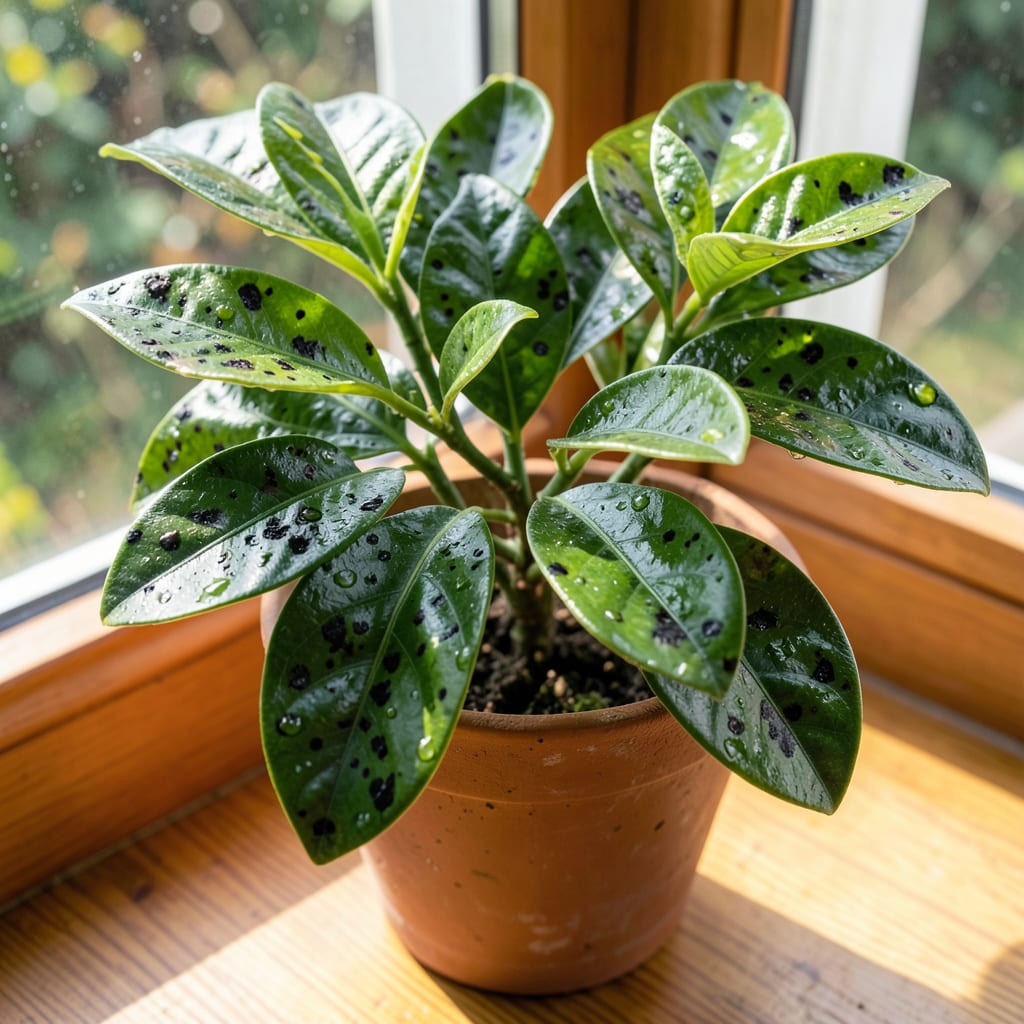
Those black spots on your calamansi leaves aren’t just ugly—they’re a red flag. I’ve seen fungal infections spread faster than you’d think, turning a healthy plant into a sad, spotted mess in a couple weeks.
Here’s the thing—most cases come down to too much moisture, poor air flow, or a sneaky pest issue. Fix the environment first, then tackle the spots directly. It’s simpler than it looks, and your plant can bounce back.
With the right care, fresh green growth replaces the damaged leaves within 3-4 weeks. You’ll spot new shoots, healthier foliage, and a plant that looks ready to thrive again.
Works for potted plants, garden beds, or even indoor specimens. Let’s get those leaves clean and green again.
Black spots on calamansi leaves often signal underlying issues that disrupt the plant’s health. Below are the most common causes, explained scientifically for clarity and actionable insights.
Fungi like Alternaria or Phyllosticta thrive in warm, humid conditions, producing dark, circular lesions. These pathogens release spores that infect leaves through stomata or wounds, leading to necrotic (dead) tissue. Overhead watering or poor air circulation exacerbates the problem.
Excess moisture in the soil creates a breeding ground for root rot and leaf-spotting fungi. When roots suffocate, they fail to absorb nutrients, weakening the plant. Waterlogged soil also promotes bacterial growth, which can manifest as black or brown spots on foliage.
Sap-sucking pests like aphids, scale insects, or mites wound leaf tissues, creating entry points for secondary infections. Their sticky honeydew residue also attracts sooty mold, a black fungus that coats leaves, blocking sunlight and reducing photosynthesis.
A lack of essential nutrients—particularly potassium, magnesium, or calcium—can cause leaf discoloration, including black or dark brown spots. These deficiencies often appear first on older leaves as the plant redirects limited resources to new growth.
Extreme temperature fluctuations, excessive sunlight, or chemical burns from fertilizers can scorch leaf tissues, leading to blackened areas. Calamansi prefers partial shade and consistent moisture; sudden changes stress the plant, making it vulnerable to disease.
Tackling those unsightly black spots on calamansi leaves starts with identifying the cause and applying the right fix. Here’s a practical guide to restore your plant’s health:
If the spots are irregular, spreading, or have a fuzzy texture, a fungal issue is likely. Spray affected leaves with a copper-based fungicide or a homemade mix of 1 tsp baking soda + 1 quart water + a drop of dish soap. Apply every 7–10 days until spots fade. Prevention tip: Improve air circulation by pruning dense foliage and watering at the base to keep leaves dry. 💡
Tiny black spots with webbing or sticky residue? Pests like spider mites or aphids may be to blame. Wipe leaves with a soapy water solution (1 tsp mild soap + 1L water) or use neem oil spray weekly. For severe infestations, introduce beneficial insects like ladybugs. Prevention tip: Inspect leaves regularly and isolate new plants before introducing them to your garden. ✨
Yellowing leaves with black spots often signal root rot from excess moisture. Stop watering immediately and let the soil dry out. Repot in fresh, well-draining soil if the roots are mushy. Prevention tip: Water only when the top 1–2 inches of soil are dry, and ensure pots have drainage holes. 🌡️
Dark spots with yellow halos may indicate a lack of magnesium or potassium. Use a balanced, citrus-specific fertilizer and follow package instructions. Prevention tip: Feed your calamansi every 4–6 weeks during the growing season for consistent nutrient supply. 🎯
Act fast, stay consistent, and your calamansi will bounce back with vibrant, spot-free leaves!
Yes, if fungal or bacterial, they can spread via water splatter or direct contact. Isolate affected plants and avoid overhead watering to prevent contamination.
With proper treatment, new healthy growth typically emerges within 2-4 weeks. Remove severely damaged leaves to redirect energy to fresh foliage.
Vinegar can harm leaves due to its acidity. Stick to proven remedies like neem oil or copper fungicide for safe, effective results.
Only remove leaves that are over 50% damaged. Minor spots may recover, and removing too many stresses the plant.
