
Beautiful Plants For Your Interior
Beautiful Plants For Your Interior
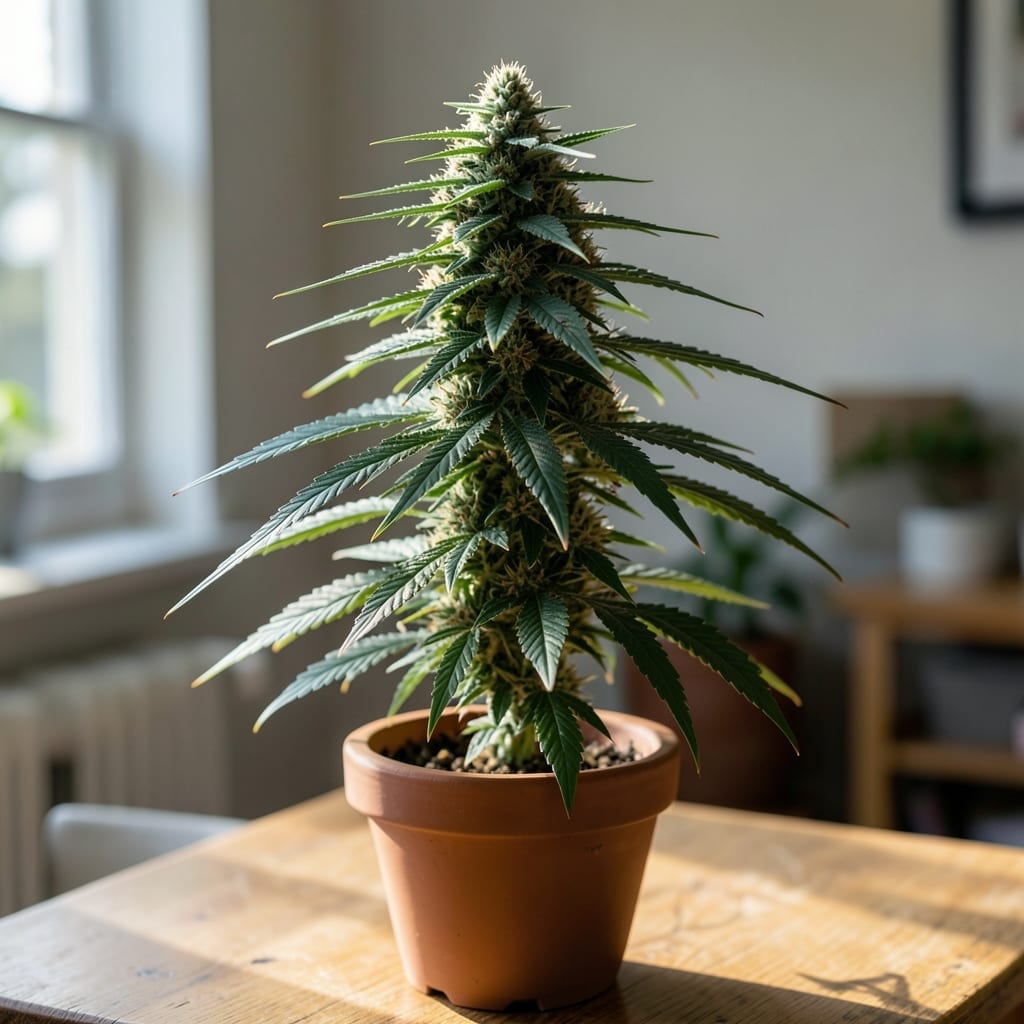
Black spots on cannabis leaves ruined my first grow. I learned these fungal invaders spread fast in damp conditions, turning vibrant green into a sickly mess.
Here’s the thing—it’s preventable with proper airflow, spacing, and daily leaf inspections. Early catches mean easier fixes before it takes over your entire plant.
I’ll be real with you: once it appears, you need to act fast. Remove affected leaves, improve circulation, and apply organic fungicides. The plants bounce back surprisingly well.
Works for indoor setups or outdoor gardens. Your leaves will stay healthy and your harvest won’t suffer.
Black spots on cannabis leaves often signal underlying issues that can compromise plant health. Understanding the root causes helps growers address problems early and prevent widespread damage.
Fungal pathogens like Alternaria or Cercospora thrive in warm, humid environments. These fungi produce spores that land on leaves, germinate, and create dark, irregular spots. Poor air circulation and prolonged leaf wetness accelerate their spread.
Excess moisture in the soil or growing medium restricts oxygen to the roots, stressing the plant. This stress weakens the plant’s defenses, making it more susceptible to infections. Waterlogged conditions also promote fungal growth in the substrate, which can manifest as black spots on leaves.
Extreme temperatures, high humidity (above 70%), or sudden fluctuations can stress cannabis plants. Stressed plants are more vulnerable to pests and diseases, including those that cause black spots. Inadequate airflow in grow rooms exacerbates these issues.
Overfertilization, particularly with nitrogen or potassium, can lead to nutrient burn, which may appear as dark, burnt-looking spots. Conversely, deficiencies in essential nutrients like calcium or magnesium can weaken leaf tissue, making it prone to discoloration and spotting.
Tackling black spots on cannabis leaves starts with identifying the root cause and applying targeted fixes. Below are practical solutions for the most common culprits, along with prevention tips to keep your plants thriving. 🌱
Fix: Remove heavily infected leaves immediately to stop the spread. Spray the remaining foliage with a copper-based fungicide or a DIY mix of 1 tsp baking soda + 1 quart water + a few drops of dish soap. Apply in the early morning or late evening to avoid leaf burn.
Prevention: Improve airflow with fans or pruning, avoid overhead watering, and maintain humidity below 50%. 💡 Pro tip: Sterilize your tools between uses to prevent cross-contamination.
Fix: Let the soil dry out completely before watering again. If the roots are waterlogged, repot the plant in fresh, well-draining soil (mix in perlite or sand). Trim any black, mushy roots to prevent rot.
Prevention: Use pots with drainage holes and a saucer to catch excess water. Stick to a watering schedule—check soil moisture 2 inches down before adding more. ⏰
Fix: Move potted plants to a shadier spot or use shade cloth (30-50% coverage) for outdoor grows. For indoor setups, adjust grow lights to maintain a safe distance (18-24 inches for LEDs).
Prevention: Monitor leaf temperature with an IR thermometer—ideal range is 70-85°F. Gradually acclimate plants to stronger light to avoid shock. 🌡️
Fix: Wipe leaves with a neem oil solution (1 tbsp neem oil + 1 tsp dish soap + 1 quart water) or introduce beneficial insects like ladybugs. For severe infestations, use insecticidal soap.
Prevention: Inspect plants weekly, especially under leaves. Keep the grow area clean and quarantine new plants for 1-2 weeks. ✨
Fix: Flush the soil with pH-balanced water (6.0-7.0) to remove excess salts, then supplement with a calcium-magnesium (Cal-Mag) additive. For organic grows, use crushed eggshells or dolomite lime.
Prevention: Test soil pH regularly and adjust nutrients to match your plant’s growth stage. Avoid over-fertilizing—less is often more! 🎯
Yes, if caused by fungal spores or pests. Isolate affected plants immediately and check nearby ones for early signs.
Spots can develop within 24-48 hours in humid conditions. Act fast—remove infected leaves and improve airflow.
No, untreated spots worsen and spread. Even after fixing the issue, damaged leaves won’t heal but new growth will stay healthy.
Overfeeding, especially with nitrogen, creates dark, burnt-looking patches. Flush soil and adjust your feeding schedule.