
Beautiful Plants For Your Interior
Beautiful Plants For Your Interior
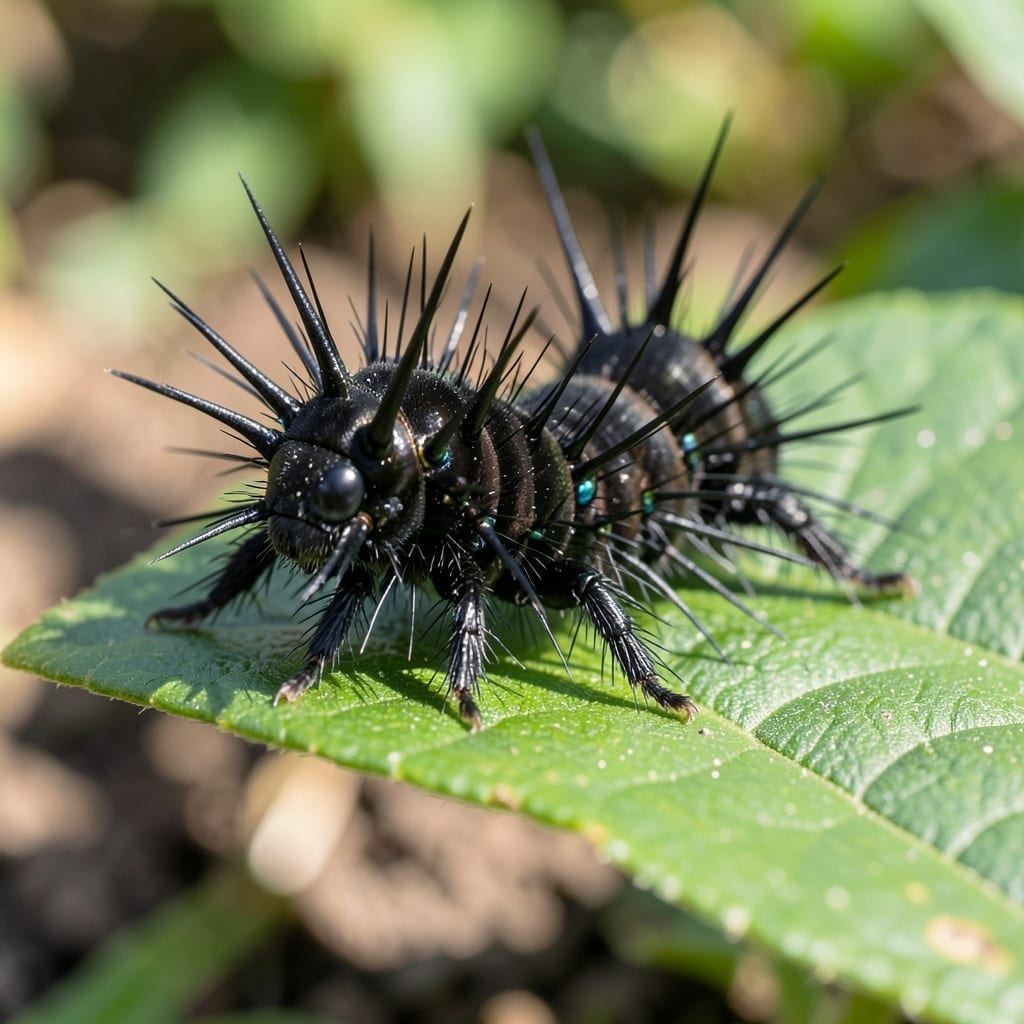
I found my first black spiky caterpillar last summer on my tomato plants. Honestly, I froze—those spines looked dangerous, and I had no idea if it was poisonous or just scary-looking.
Turns out, some of these caterpillars can cause painful stings or skin irritation. The key is learning to spot the difference between harmless species and the ones that pack a venomous punch. Most have bright warning colors, but not all.
You don’t need to panic, but you do need to be careful. A simple identification guide can save you from an unpleasant encounter. I now keep gloves handy whenever I’m inspecting plants.
This isn’t about fear—it’s about knowing what you’re dealing with. A little knowledge keeps your garden safe and your curiosity intact.
The venomous nature of black spiky caterpillars is a fascinating example of evolutionary defense. These creatures have developed toxicity as a survival mechanism to deter predators. Here’s why it happens, broken down by cause:
Many black spiky caterpillars, such as the Io moth caterpillar or tussock moth caterpillar, possess specialized glandular cells that produce venom. These cells are connected to their spines, which inject toxins upon contact. The venom typically contains histamines, formic acid, or other irritants that cause pain, swelling, or allergic reactions in humans and animals.
Some caterpillars derive their toxicity from their diet. For instance, those that feed on toxic plants (e.g., milkweed or certain trees) can sequester plant toxins into their own bodies. This makes them unpalatable or even dangerous to predators, including humans who accidentally touch them.
Over generations, caterpillars with more potent venom or visible warning signals (like bright colors or spikes) were less likely to be eaten. This natural selection process favored the survival of toxic species, ensuring their traits were passed on. The black spiky appearance often serves as a visual warning (aposematism) to ward off potential threats.
Understanding these causes helps explain why handling these caterpillars can be risky—and why they’ve thrived in nature despite their small size.
Encountering a black spiky caterpillar can be alarming, but knowing how to react can prevent discomfort or harm. Here’s how to handle the situation and avoid future run-ins.
If you accidentally brush against or handle a spiky caterpillar, act quickly to minimize irritation or allergic reactions:
Prevent contact by safely removing the caterpillar and deterring others from settling nearby:
Stay proactive to avoid future encounters:
With these steps, you can confidently handle and prevent issues with black spiky caterpillars while staying safe!
Wash the area immediately with soap and cool water. Apply a cold compress and use hydrocortisone cream if itching occurs. Seek medical help if swelling or pain worsens.
Wear gloves and use a stick or jar to relocate it. Avoid crushing, as this releases more irritating hairs. Place it far from high-traffic areas.
No, but many have venomous spines. Bright colors or spikes often signal toxicity. When in doubt, avoid touching and research local species.
Yes, some people may experience severe reactions. If you develop difficulty breathing or extreme swelling, seek emergency care right away.