
Beautiful Plants For Your Interior
Beautiful Plants For Your Interior
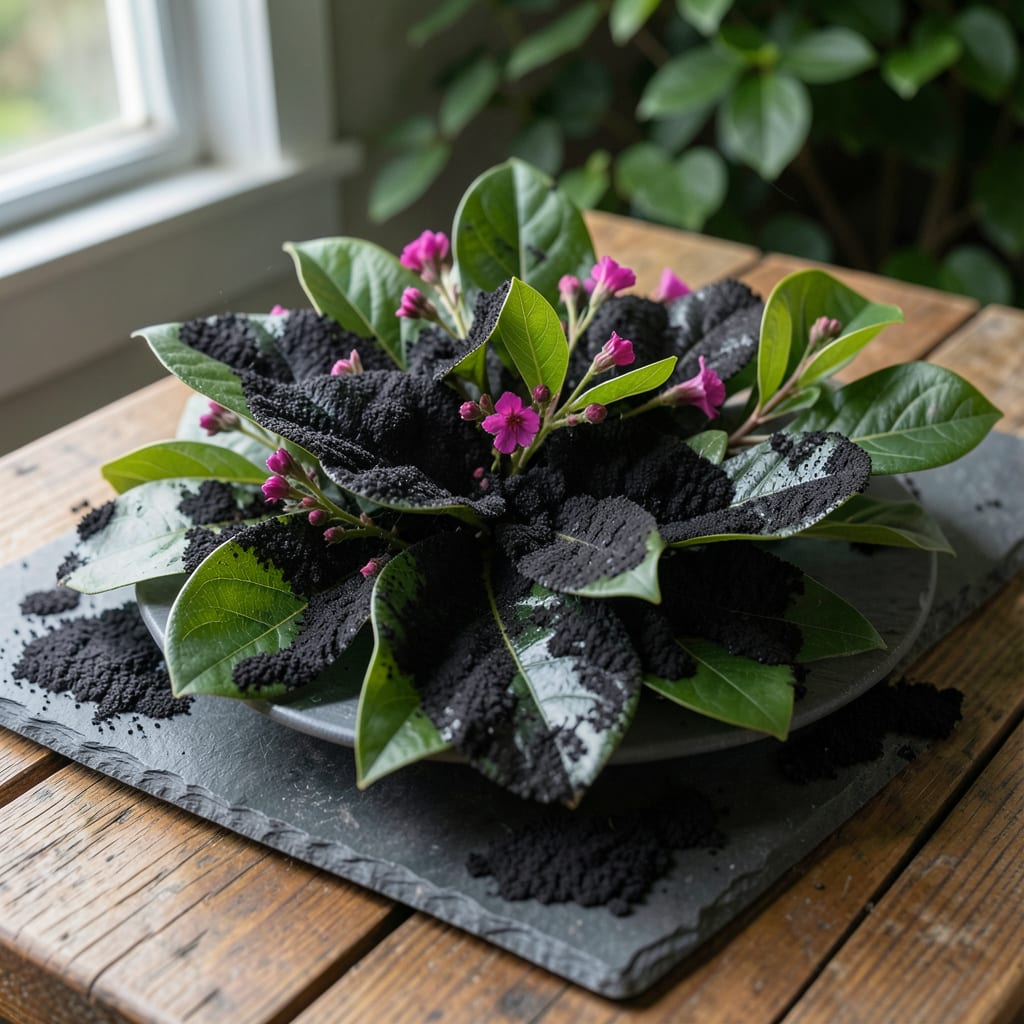
That black film on your crepe myrtle isn’t just ugly—it’s suffocating your tree. I spotted the same sooty coating on mine last summer and nearly panicked before realizing it’s actually a fixable problem.
This isn’t a disease but a sign of bigger issues: usually aphids or scale insects leaving sticky honeydew that grows mold. The good news? Your tree’s likely still healthy beneath that dark layer.
With a little soap, water, and the right timing, you can wash it away and prevent it from coming back. I cleared mine in 2 weeks using simple household items.
Best part: once it’s gone, your crepe myrtle will bounce back with its vibrant summer blooms looking better than ever.
Black mold on crepe myrtles, often caused by sooty mold fungi, thrives under specific conditions. Below are the primary causes, explained scientifically to help you address the root of the issue.
The most common trigger is aphid, scale, or whitefly infestations. These pests secrete honeydew, a sugary substance that coats the leaves and branches. Sooty mold fungi (e.g., Capnodium spp.) colonize this sticky residue, forming the black, crusty layer you see. Without controlling the pests, the mold will persist.
Crepe myrtles in humid climates or with poor air circulation are prone to mold growth. High humidity (above 60%) and overhead watering create a damp environment where fungal spores germinate and spread. Proper spacing between plants and drip irrigation can reduce this risk.
Stressed or weakened crepe myrtles—due to nutrient deficiencies, drought, or compacted soil—are more susceptible. A healthy plant resists pests and recovers faster from mold. Regularly fertilize with balanced nutrients and ensure well-draining soil to strengthen your tree’s defenses.
Fallen leaves, twigs, or pruning waste left around the base trap moisture and harbor fungal spores. Clean up plant debris promptly, especially during the growing season, to deny mold a breeding ground.
Tackling black mold on your crepe myrtle starts with identifying the root cause and applying targeted fixes. Here’s how to address common issues and prevent future outbreaks.
Black mold thrives in damp conditions. If your crepe myrtle is in a poorly drained area or crowded by other plants:
💡 Pro Tip: Avoid overhead watering, especially in humid climates, to keep leaves dry.
Fallen leaves, twigs, or mulch piled against the trunk can trap moisture and encourage mold growth.
If the mold persists, a fungicide can help. Choose a copper-based or neem oil product for organic control:
✨ Prevention: Apply a preventive fungicide spray in early spring if your area is prone to fungal issues.
Weak or stressed crepe myrtles are more susceptible to mold. Strengthen your tree with:
🎯 Key: A thriving plant is your best defense against recurring problems.
While it looks alarming, sooty mold itself doesn’t kill crepe myrtles. However, the underlying pest infestation can weaken your tree over time.
A strong stream from a garden hose can remove some mold, but you’ll need to address the cause. Treat pests first, then wash leaves with soapy water for best results.
Not if you prevent the root causes. Control pests, improve airflow, and keep the area clean. Most see no recurrence after treating the initial infestation.
Only if heavily coated. Light mold can be washed off. Severe cases may benefit from pruning the worst branches to improve air circulation.
