
Beautiful Plants For Your Interior
Beautiful Plants For Your Interior
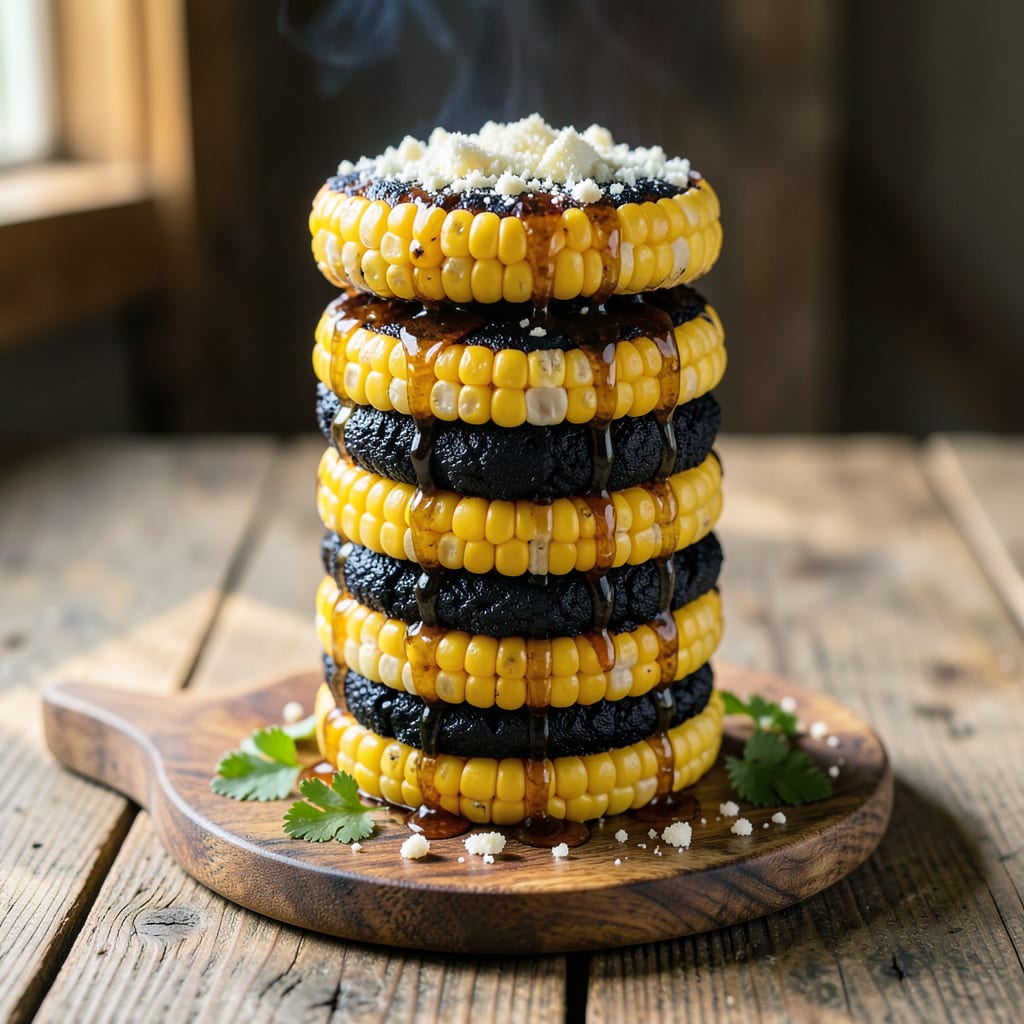
That black layer in your corn isn’t always bad news. I’ve seen it mark the end of grain fill in mature plants, but it can also signal trouble if it appears too early.
Stress from drought, nutrient imbalances, or fungal infections can trigger premature black layer formation. The key is knowing whether it’s natural maturity or a problem that needs fixing.
Diagnosing the cause takes a close look at timing, plant health, and growing conditions. Catching issues early can save your crop from significant yield loss.
With the right approach, you can prevent most cases and keep your corn thriving through the season. Here’s how to tell the difference and take action.
The black layer in corn, often called the “black layer,” forms due to physiological changes in the kernel as it matures. This dark pigmentation is a natural part of the grain’s development and signals the end of dry matter accumulation. Below are the primary causes, explained in scientific terms.
The black layer is a thin, dark line that appears at the base of the corn kernel when it reaches physiological maturity (R6 stage). At this point, the abscission layer forms, cutting off nutrient and water flow from the plant to the kernel. This layer is composed of lignin and other phenolic compounds, which give it its characteristic black or brown color. Once formed, the kernel stops growing in size and begins the drying process.
As the corn plant nears maturity, the phloem and xylem vessels that transport sugars, water, and nutrients to the kernel begin to collapse. This cessation triggers the deposition of tannins and melanin-like pigments in the kernel’s basal endosperm, creating the black layer. The process is accelerated by drought stress or rapid dry-down conditions, which can make the layer more pronounced.
While the black layer is a natural part of development, its timing and appearance can be influenced by hybrid genetics and environmental conditions. Some corn varieties may show a darker or thicker black layer due to their genetic makeup. Additionally, cool temperatures or late-season stress (e.g., disease, insect damage) can delay its formation, while warm, dry conditions may hasten it.
Unlike mold or disease-related discoloration, the black layer is not a sign of infection. It’s a reliable indicator that the corn has reached full maturity and is ready for harvest.
Addressing the black layer in corn starts with identifying the root cause and applying targeted fixes. Below are practical solutions mapped to common causes, along with prevention tips to keep your crop healthy.
If excess moisture is the culprit, focus on drainage. Install tiles or ditches to redirect water away from the field. For raised beds, ensure they’re elevated enough to prevent pooling. Prevention tip: Test soil drainage before planting by digging a hole and filling it with water—if it drains slower than 1 inch per hour, amend with organic matter like compost to loosen heavy clay.
For fungal issues like Stalk Rot or Anthracnose, use copper-based fungicides or bio-fungicides (e.g., Trichoderma). Spray at the first sign of blackening, focusing on the base of the stalk and leaves. Prevention tip: Rotate crops annually and avoid planting corn in the same field consecutively. Remove and burn infected debris to curb spores.
A black layer can signal potassium or nitrogen deficiency. Conduct a soil test to confirm, then amend with a balanced fertilizer (e.g., 10-10-10) or organic options like wood ash (for potassium) or manure (for nitrogen). Prevention tip: Side-dress fertilizers mid-season to replenish nutrients, especially in sandy or depleted soils.
If stress from extreme heat or drought causes blackening, switch to drip irrigation to deliver water directly to roots. Mulch with straw to retain moisture and regulate soil temperature. Prevention tip: Plant heat-tolerant varieties and schedule watering during cooler morning hours to reduce evaporation.
If the black layer is due to over-maturity, harvest corn as soon as kernels reach the dent stage. Delays can lead to dry-down and discoloration. Prevention tip: Monitor moisture levels—aim for 25-30% for safe storage and process or dry corn immediately after picking.
Early action and consistent field monitoring are key to managing black layer issues. Tailor solutions to your specific conditions, and prioritize preventive measures to avoid future outbreaks.
No, it’s often a natural part of kernel maturity. The black layer forms when corn reaches physiological maturity, cutting off nutrient flow to the kernel. However, if it appears early, it could signal stress or disease.
Check the timing. A black layer at the base of mature kernels (R6 stage) is normal. If it appears early with wilting or discoloration, investigate stress, nutrient issues, or fungal infections.
Yes, drought stress can trigger early black layer development. Ensure consistent moisture, especially during grain fill, to prevent premature maturity and yield loss.
For fungal infections like stalk rot, apply copper-based fungicides at the first sign. Combine with crop rotation and debris removal for best results.
