
Beautiful Plants For Your Interior
Beautiful Plants For Your Interior
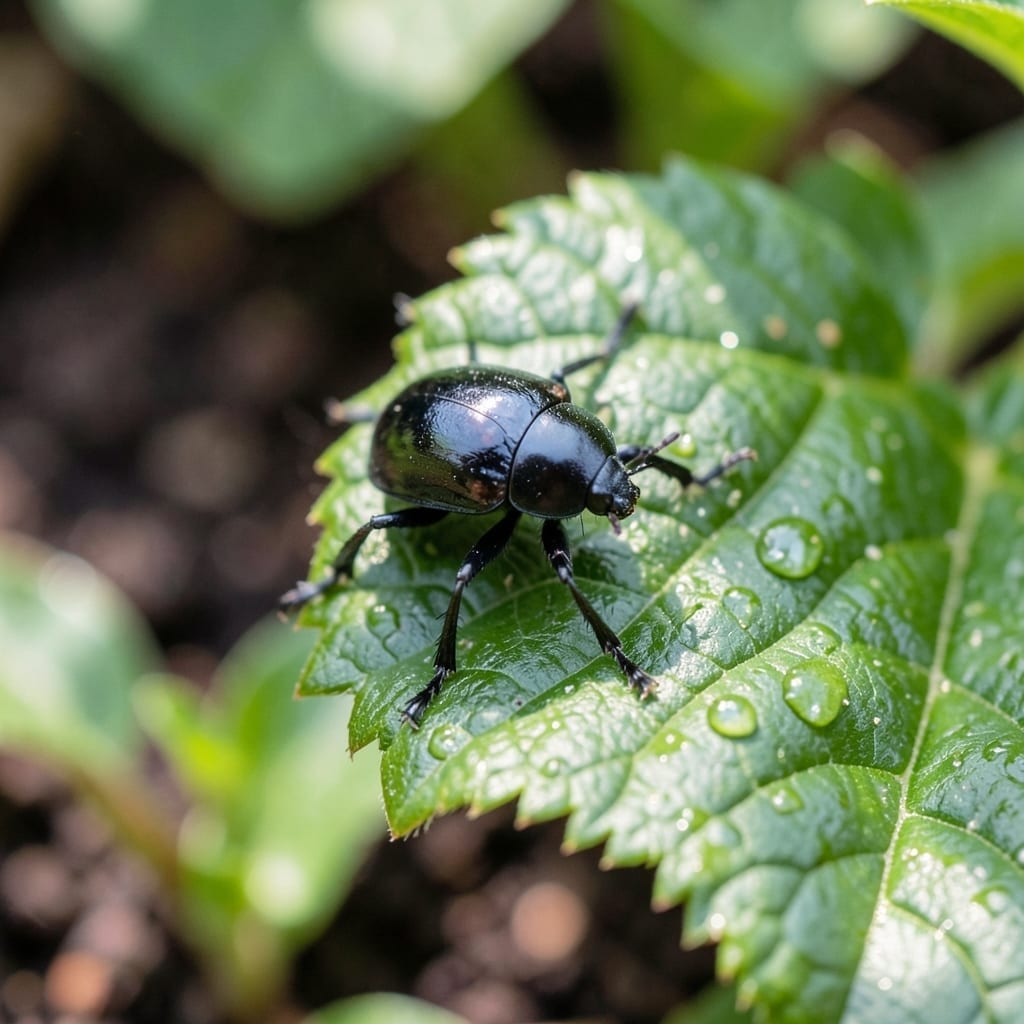
That black spot on your leaf isn’t always a ladybug. I’ve seen these imposters fool even experienced gardeners with their rounded shells and slow crawl.
The real tell? True ladybugs have orange or red wings with black spots. These lookalikes are solid black, sometimes with a red hourglass on their back—a hallmark of the harlequin beetle, a notorious garden pest.
They’ll munch through leaves faster than you can spot them, but there’s good news: they’re slow movers and easy to handpick. Early morning is the best time to catch them.
Check under leaves daily, especially near damaged foliage. A small bucket of soapy water is all you need to remove them without chemicals.
The appearance of a black ladybug-looking bug in your garden is rarely random. These imposters often thrive due to specific environmental or biological triggers. Below are the most common causes, explained with actionable insights.
Broad-spectrum pesticides kill beneficial insects like native ladybugs, creating a vacuum for lookalikes—such as spotted cucumber beetles or black soldier beetles—to move in. These pests lack natural predators and exploit the weakened ecosystem. Action: Switch to targeted, organic solutions like neem oil or insecticidal soap to preserve biodiversity.
Many black beetles mimicking ladybugs, like the Asian lady beetle (Harmonia axyridis), proliferate in warm, moist conditions. High humidity accelerates their reproductive cycles, leading to rapid infestations. Action: Improve airflow around plants and avoid overwatering to reduce appeal.
Gardens dominated by a single plant type (e.g., squash or roses) attract specialist pests like the squash bug, which resembles a dark ladybug. Lack of plant diversity removes natural barriers to their spread. Action: Interplant with repellent species like marigolds or garlic to disrupt pest life cycles.
Beetles such as the darkling beetle thrive in rotting leaves, compost piles, or mulch. These areas provide food and shelter, encouraging populations to boom. Action: Regularly turn compost and clear garden debris to eliminate breeding grounds.
If you’ve spotted a black ladybug-looking bug in your garden, don’t panic—here’s how to tackle it based on the most common causes:
Handpick the bugs early in the morning or evening when they’re less active, and drop them into soapy water. For larger infestations, spray plants with neem oil or insecticidal soap, focusing on the undersides of leaves. Prevention tip: 💡 Encourage natural predators like ladybugs, lacewings, and birds by planting pollinator-friendly flowers.
Black bugs thrive in damp conditions. Let the soil dry out between waterings and improve drainage by adding compost or perlite. If you’re using saucers under pots, empty them after watering to avoid standing water. Prevention tip: 🌡️ Use a moisture meter to monitor soil dampness—aim for the top 1-2 inches to dry out before watering again.
Stressed or diseased plants attract pests. Prune damaged leaves and remove heavily infested plant parts immediately. Strengthen plants with a balanced fertilizer and ensure they get the right amount of sunlight. Prevention tip: ✨ Rotate crops annually and keep your garden clean to reduce disease buildup.
If these bugs are inside, seal cracks in windows and doors, and use sticky traps near entry points. Vacuum any visible bugs and dispose of the bag immediately. Prevention tip: 🎯 Store firewood and outdoor items away from your home’s foundation.
Act fast, stay consistent, and your garden (or home) will be bug-free in no time!
True ladybugs have bright orange or red wings with black spots. If it’s solid black with a red hourglass or no spots, it’s likely a harlequin beetle or similar imposter.
Most black ladybug lookalikes are pests that feed on leaves and sap. The harlequin beetle, for example, can quickly defoliate plants if left unchecked.
Handpick them in the early morning and drop them into soapy water. For larger infestations, use neem oil or insecticidal soap, focusing on leaf undersides.
They may return if their attractants (overwatering, plant stress, or decaying matter) remain. Address these issues and monitor plants daily to prevent reinfestation.