
Beautiful Plants For Your Interior
Beautiful Plants For Your Interior
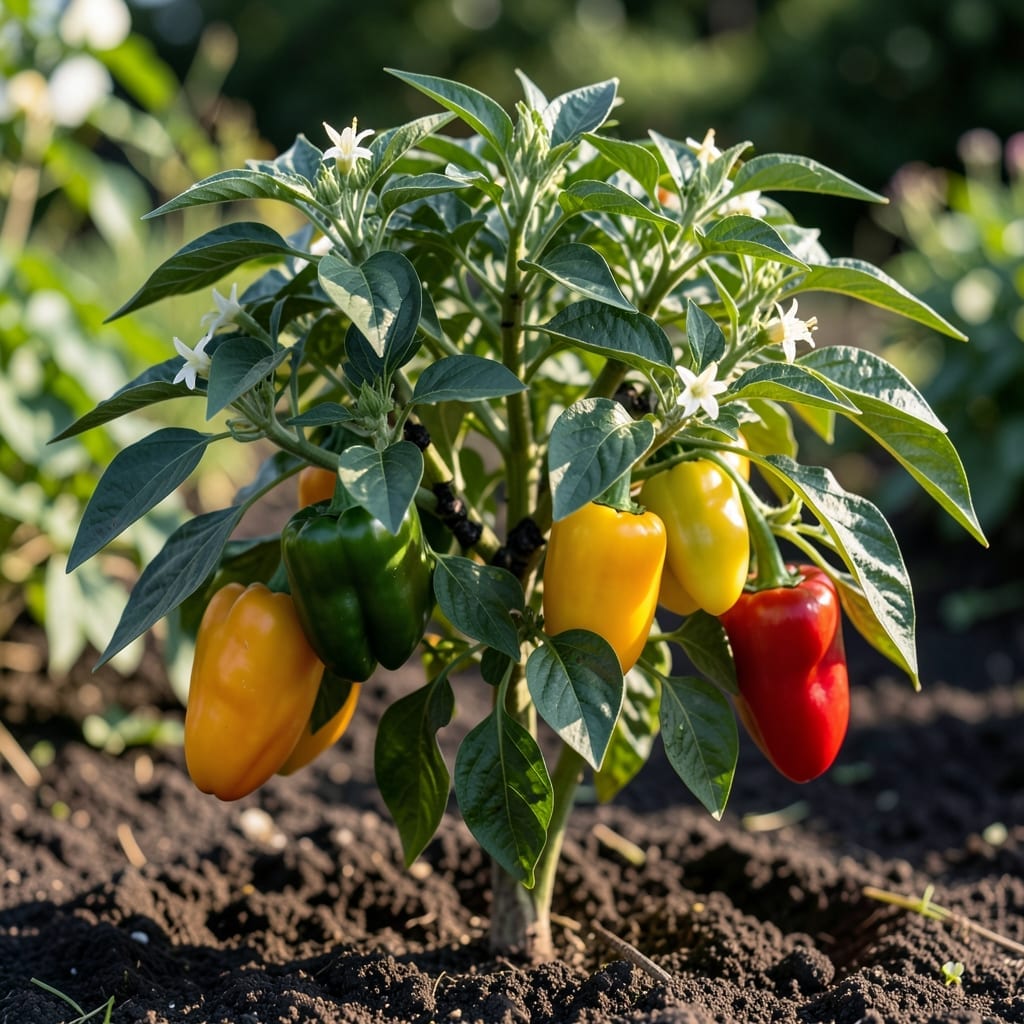
Black joints on your pepper plants aren’t just ugly—they’re a warning sign. I first noticed this on my prized habaneros last season, and ignoring it cost me half the harvest.
Turns out, it’s usually a fungal issue or environmental stress, but the fix is simpler than you think. No fancy chemicals needed—just better airflow, consistent watering, and a little organic treatment.
Your plants can bounce back with healthy stems and full foliage in just a few weeks. The key is catching it early and acting fast.
Works for container gardens, raised beds, or in-ground plots. Here’s how to diagnose and treat it before it spreads.
Black joints on pepper plants often signal underlying issues that disrupt healthy growth. Here are the primary causes, explained with actionable insights:
Pathogens like Phytophthora or Fusarium thrive in overly moist conditions, attacking the plant’s vascular system. These fungi block nutrient flow, causing dark, sunken lesions at the stem joints (nodes). Overwatering, poor drainage, or contaminated soil are common triggers. Action: Improve airflow, use fungicide-resistant varieties, and avoid overhead watering.
Extreme temperature swings or prolonged cold snaps (<50°F/10°C) stress pepper plants, leading to tissue necrosis. Blackened joints may appear where stems meet branches. Action: Use row covers for cold protection and maintain consistent temperatures (70–85°F/21–29°C).
Excess nitrogen or deficiencies in calcium/magnesium can cause cellular collapse, manifesting as blackened joints. Over-fertilization burns roots, while poor soil pH (below 6.0) locks out essential nutrients. Action: Test soil pH and adjust with lime (for calcium) or Epsom salt (for magnesium).
Sap-sucking pests like aphids or spider mites weaken stems, creating entry points for secondary infections. Their feeding can cause localized blackening. Action: Introduce beneficial insects (e.g., ladybugs) or apply neem oil weekly.
Here’s how to tackle each cause and restore your pepper plants to full health:
Stop watering immediately and let the soil dry out. Repot in fresh, well-draining soil mixed with perlite or coarse sand. Use containers with drainage holes and water only when the top inch of soil is dry. Prevention tip: 💡 Water in the morning to allow excess moisture to evaporate during the day.
Remove affected stems with sterilized pruners and discard them (do not compost). Spray plants with a copper fungicide or a DIY mix of 1 tsp baking soda + 1 quart water + a few drops of dish soap. Apply weekly until symptoms subside. Prevention tip: ✨ Space plants for airflow and avoid wetting foliage when watering.
Move potted peppers to a spot with consistent temperatures (70–85°F). Use row covers or shade cloth to protect outdoor plants from extreme heat or cold snaps. Prevention tip: 🌡️ Monitor weather forecasts and adjust plant locations as needed.
Test soil pH (aim for 6.0–6.8). If overly acidic, add lime; if alkaline, amend with sulfur or peat moss. Switch to a balanced, water-soluble fertilizer (e.g., 10-10-10) and avoid over-fertilizing. Prevention tip: 🎯 Feed plants every 2–3 weeks during the growing season.
Inspect plants for aphids or mites. Blast them off with water or apply neem oil or insecticidal soap. Introduce beneficial insects like ladybugs. Prevention tip: 🌿 Plant companion herbs (basil, marigolds) to repel pests naturally.
Yes, fungal infections can spread. Isolate affected plants immediately and avoid using the same tools on healthy ones without sterilizing.
If over 50% of the plant is damaged, it’s best to remove it. For milder cases, prune blackened joints and treat with fungicide.
With proper treatment, new growth should appear within 7–14 days. Patience is key—consistent care prevents recurrence.
Early intervention minimizes yield loss. If left untreated, expect smaller or discolored peppers. Act fast to protect your crop.