
Beautiful Plants For Your Interior
Beautiful Plants For Your Interior
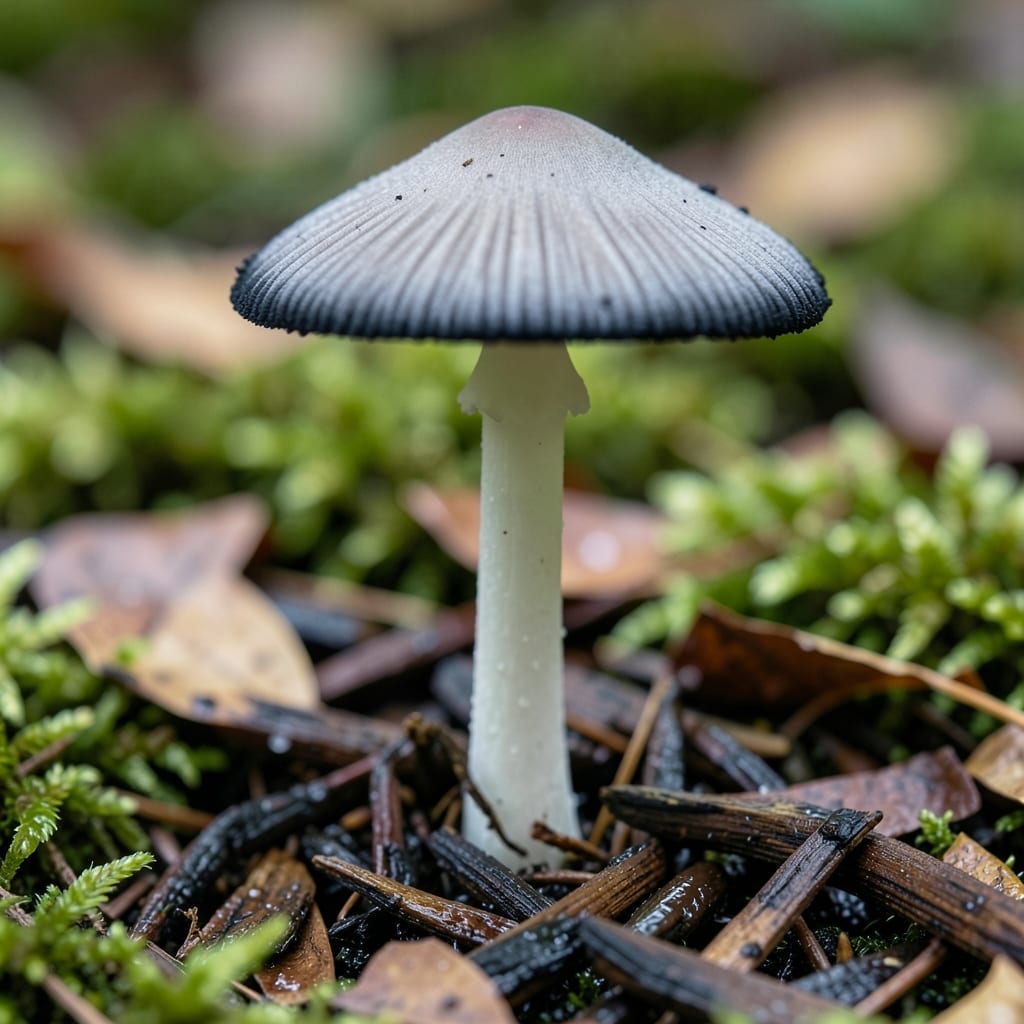
I first tried growing black ink mushrooms after seeing their dramatic color at a farmer’s market. The deep, almost metallic sheen of these gourmet fungi makes them stand out in any garden or growing space.
They thrive in consistent humidity and indirect light, perfect for a basement or closet setup. The substrate needs to stay moist but not waterlogged—misting twice daily does the trick. I was shocked how quickly they colonized the growing medium.
Within 3-4 weeks, you’ll see the first pins forming, then maturing into those striking dark caps. The process feels like watching magic unfold, especially when the mushrooms release their signature inky spores.
This variety works well for beginners willing to maintain steady conditions. Once you nail the environment, you’ll have a reliable harvest every 6-8 weeks.
The striking dark color of black ink mushrooms (often Coprinopsis atramentaria or related species) stems from unique biological and chemical processes. Below are the primary causes behind this phenomenon.
These mushrooms produce melanin, the same pigment responsible for human skin and hair color. In fungi, melanin synthases (enzymes) catalyze the oxidation of phenolic compounds like tyrosine, forming dark, insoluble polymers. This pigment accumulates in the cell walls, giving the caps and stems their inky appearance. Tip: Higher melanin concentrations often occur in response to UV light or oxidative stress.
As the mushroom matures, its gills liquefy (deliquesce) into a black, ink-like substance. This process, called autodigestion, breaks down cell structures to release spores. The dark pigment comes from melanized spores and degraded cellular components, creating the signature “ink” effect. Warm, humid conditions accelerate this natural decay.
The growing medium plays a role. Substrates rich in lignin (e.g., hardwood sawdust) or nitrogen can enhance melanin production. Some cultivators note darker mushrooms when using coffee grounds or manure-based composts, as these provide ample phenolic precursors for pigment synthesis.
Growing black ink mushrooms at home can be rewarding, but a few common issues may arise. Below are practical solutions to keep your crop thriving, along with tips to prevent problems before they start.
If your mycelium is slow to colonize the substrate, it may lack nutrients. Switch to a richer medium like supplemented sawdust or straw. Ensure the substrate is pasteurized to eliminate competing microbes. Prevention tip: 💡 Use a high-quality spawn and maintain a consistent temperature (70–75°F).
Green, black, or fuzzy growth on your substrate signals contamination. Discard the affected batch and sterilize your tools and workspace with 70% isopropyl alcohol. Prevention tip: ✨ Work in a clean, still-air environment and avoid opening containers unnecessarily.
Low humidity causes mushrooms to dry out. Mist the growing area regularly or use a humidifier to maintain 85–95% humidity. Prevention tip: 🌧️ Cover the substrate with a damp cloth or use a humidity tent to retain moisture.
Fungus gnats or mites can damage your crop. Introduce beneficial nematodes or sprinkle food-grade diatomaceous earth around the growing area. Prevention tip: 🎯 Keep your workspace clean and avoid overwatering to deter pests.
By addressing these issues promptly and following prevention tips, you’ll enjoy a healthy harvest of black ink mushrooms with minimal hassle.
Maintain 85-95% humidity for best results. Mist the growing area twice daily or use a humidifier to keep conditions consistent. A damp cloth over the substrate helps retain moisture.
Expect mycelium to fully colonize the substrate in 2-3 weeks under optimal conditions. Warmer temperatures (70-75°F) speed up the process, while cooler environments may slow it down.
Yes, but choose a shaded, moist area with stable temperatures. Outdoor growing risks contamination and pests, so monitor closely. Use pasteurized substrate to reduce competing microbes.
Low humidity or inconsistent misting causes dry, cracked caps. Increase humidity with a tent or humidifier, and mist every 12 hours to prevent moisture loss.