
Beautiful Plants For Your Interior
Beautiful Plants For Your Interior
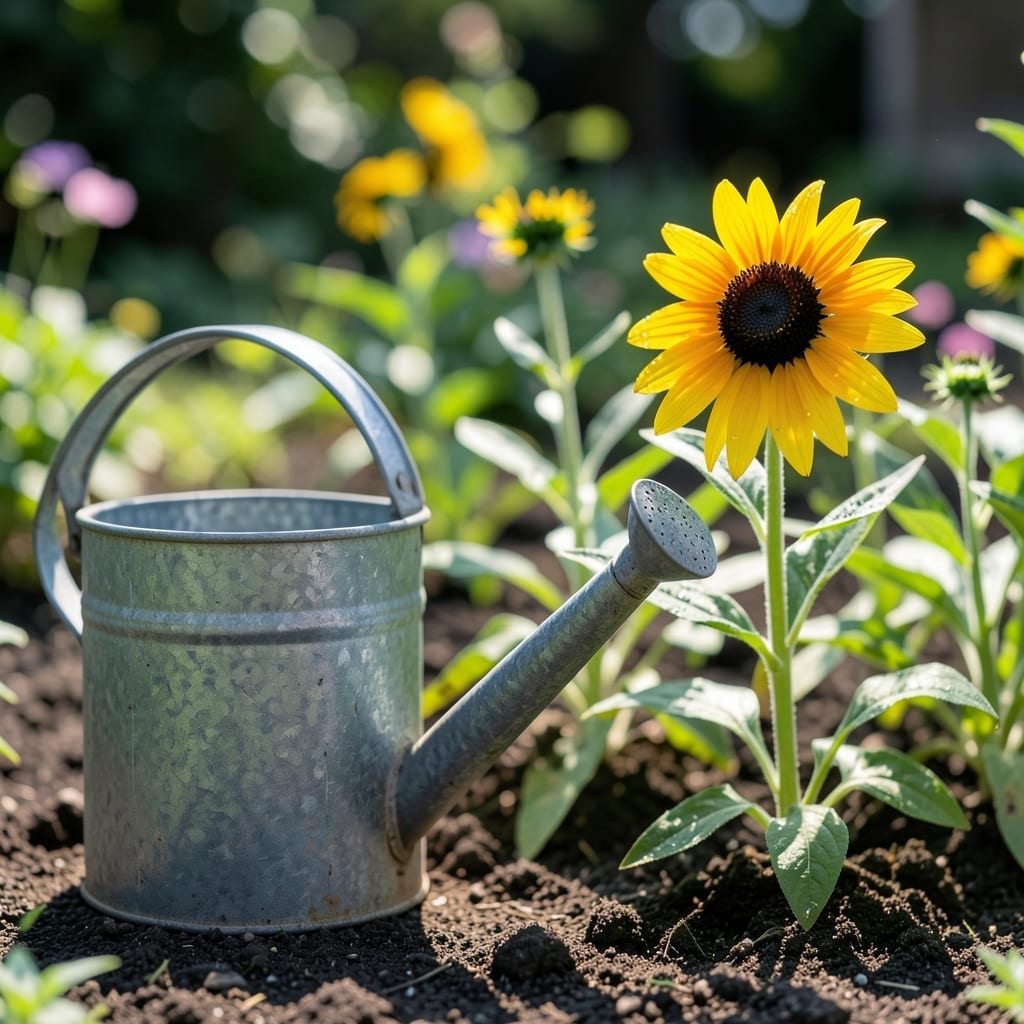
Those cheerful 🌻 Black Eyed Susan blooms can turn lackluster fast without proper hydration. I’ve seen gardens transform when they hit the right watering balance.
Getting this right means the difference between wilted stems and vibrant flowers that last through the season. The good news? It’s easier than you think once you know the basics.
Let me walk you through what these hardy plants truly need to thrive, from soil moisture to seasonal adjustments. You’ll be amazed at how simple it is to keep them happy.
I’ve learned that Black Eyed Susans aren’t just drought-tolerant—they thrive with consistent moisture, especially during key growth stages. Getting the watering schedule right ensures strong roots and vibrant blooms all season long.
From seedlings to mature plants, their needs shift. Early on, they crave more frequent watering, but once established, they handle dry spells like champs. The trick is knowing when to adjust your approach.
| Growth Stage | Water Frequency | Amount per Week |
|---|---|---|
| Seedlings | Every 2-3 days | ½ inch of water |
| Young Plants | Every 5-7 days | 1 inch of water |
| Mature Plants | Every 7-10 days | 1-1.5 inches of water |
| Drought Conditions | Every 3-5 days | 1.5 inches of water |
For seedlings, keep the soil evenly moist but never soggy. A light touch here prevents root rot while encouraging healthy growth. I use a spray bottle for gentle, even coverage.
Young plants need deeper watering to establish their roots. Aim for 1 inch per week, either through rainfall or supplemental watering. This stage is critical for building resilience.
Once mature, Black Eyed Susans become more forgiving. They’ll tolerate dry spells, but for the best blooms, I stick to 1-1.5 inches weekly. Mulching helps retain moisture and reduces my watering chores.
In extreme heat or drought, I bump up watering to every 3-5 days. The key is to water deeply, soaking the soil to a depth of 6-8 inches. This encourages roots to grow downward, seeking moisture.
Early morning is my go-to time for watering. It reduces evaporation and gives plants time to dry before evening, which helps prevent fungal issues. Avoid overhead watering to keep foliage dry.
If your soil drains quickly, like sandy types, you may need to water more often. For clay soil, less frequent but deeper watering works best. I always check the top 1-2 inches of soil—if it’s dry, it’s time to water.
Seasonal adjustments matter too. In spring and fall, weekly watering usually suffices. Summer demands more attention, especially in hotter climates. Winter? Ease up—dormant plants need very little.
Consistency is your best friend with Black Eyed Susans. Stick to a schedule, monitor the soil, and adjust as needed. Your reward? A garden bursting with golden blooms that last from mid-summer to frost.
I’ve seen many gardeners struggle with Black Eyed Susans simply because they misread the signs. Yellowing leaves or drooping stems can mean too much or too little water—knowing the difference is crucial.
These plants are tough, but even they have limits. Overwatering often leads to root rot, while underwatering causes stress that stunts growth. The key is observing the plant and soil closely.
With overwatering, the soil stays soggy, and the plant’s roots can’t breathe. I check for standing water or a foul smell—both are red flags. Reducing water and improving drainage usually fixes it.
Underwatered plants often have dry, brittle leaves. The soil will feel hard and cracked. A deep watering session usually revives them, but consistency is key to prevent recurring stress.
I always recommend the finger test: stick your finger 2 inches into the soil. If it’s dry, water. If it’s damp, wait. This simple trick prevents most watering issues.
For Black Eyed Susans in containers, be extra cautious. Pots dry out faster but can also trap excess water. Ensure they have drainage holes and use a well-draining potting mix.
Remember, these plants are forgiving. Adjust your watering based on weather and soil conditions, and they’ll reward you with months of bright blooms 🌻