
Beautiful Plants For Your Interior
Beautiful Plants For Your Interior
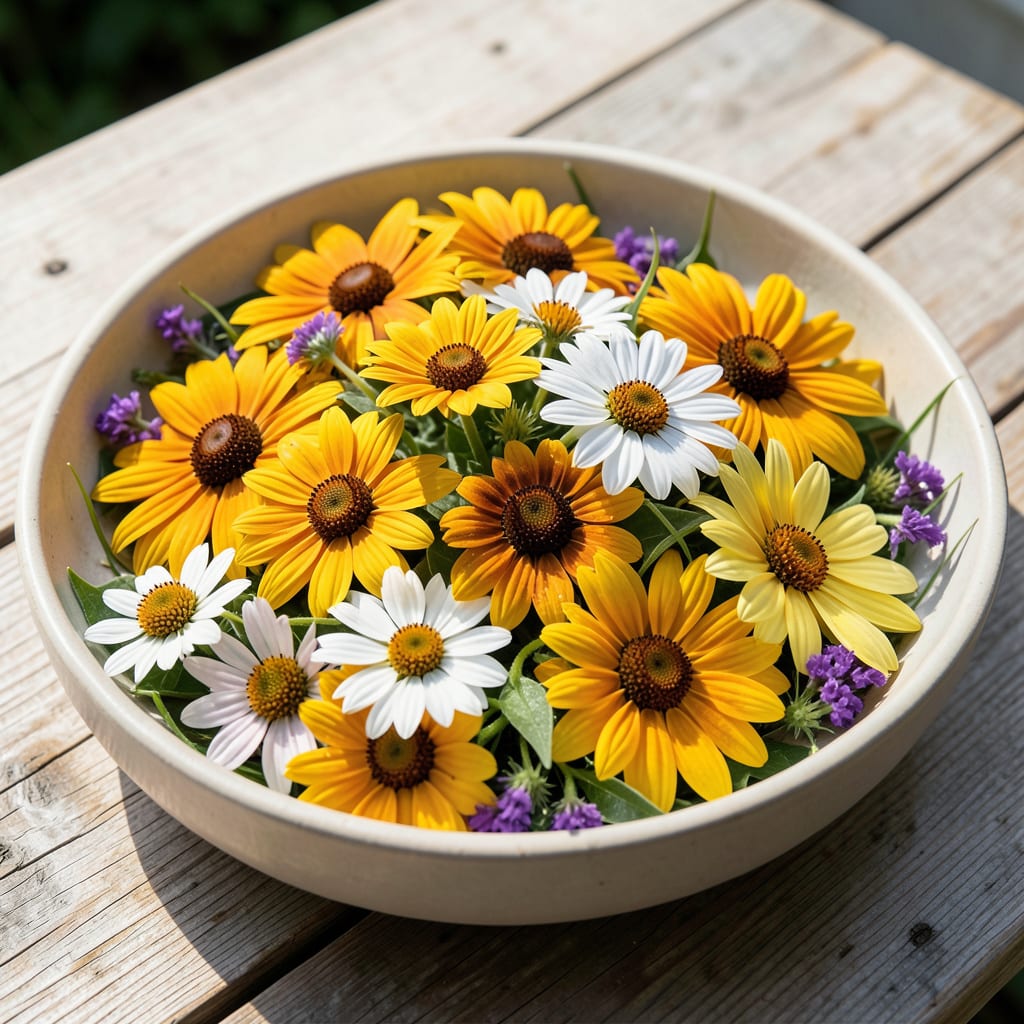
These cheerful yellow bloomers light up gardens from midsummer through frost. I planted my first Denver Daisies three seasons ago, and they’ve come back stronger each year with almost zero fuss.
They thrive in Denver’s climate with full sun and well-draining soil. Once established, they handle drought like champs while attracting bees and butterflies by the dozens. You’ll get 2-3 feet of vibrant color that keeps going when other flowers quit.
📚 In This Guide
Here’s my straightforward approach to getting these pollinator-friendly blooms established and thriving in your garden.
Select a spot that receives full sun for at least 6-8 hours daily. These daisies perform best in open areas with minimal shade, especially in the afternoon. I always check the space at different times of day to confirm consistent light exposure.
Avoid low-lying areas where water pools after rain. The soil should drain well to prevent root rot, which these plants despise. If your garden has heavy clay, amend the site with compost before planting to improve drainage.
Loosen the soil to a depth of 12-15 inches using a garden fork or tiller. This encourages deep root penetration, which helps the plants establish quickly. I’ve found that breaking up clumps by hand works just as well for smaller areas.
Mix in a 2-3 inch layer of organic matter like compost or aged manure. This boosts fertility and improves soil structure, giving your daisies a strong start. Avoid fresh manure, as it can burn tender roots and introduce weeds.
Dig holes that are slightly wider than the root ball but no deeper than the container the plants came in. Place each Black Eyed Susan so the top of the root ball sits ½ inch above the surrounding soil—this prevents crown rot. I always double-check this by laying a ruler across the hole.
Space plants 18-24 inches apart to allow for air circulation and future growth. Crowding leads to mildew and weak stems. After planting, lightly firm the soil around the base to eliminate air pockets, then water thoroughly to settle everything in place.
Water deeply immediately after planting, ensuring the soil is moist to a depth of 6 inches. You’ll know it’s enough when the topsoil darkens and feels damp to the touch. For the first 2 weeks, keep the soil consistently moist but not soggy.
Apply a 2-3 inch layer of mulch, such as shredded bark or straw, around the base of each plant. This retains moisture, suppresses weeds, and keeps roots cool during hot Denver summers. Just be sure to leave a small gap around the stem to prevent rot.
Once established, these daisies are drought-tolerant, requiring water only during extended dry spells. I water mine deeply once a week in the absence of rain, always in the early morning to reduce evaporation and disease risk.
Deadhead spent blooms regularly to encourage continuous flowering. Simply snip off the faded flowers just above a set of leaves or side bud. This redirects the plant’s energy into producing more blooms, extending the vibrant display into early fall.
Small details make the difference between struggling plants and a garden bursting with color.
Sunlight Check: Those 6-8 hours of full sun in Step 1 are non-negotiable. I learned this after planting some in partial shade—they grew tall and leggy, chasing the light, with far fewer blooms. Use a sunlight tracker app if you’re unsure about your garden’s exposure.
Soil Prep Shortcut: In Step 2, loosening soil to 12-15 inches deep can be backbreaking work. For smaller plantings, I use a garden hoe to break up the top layer, then drive a pitchfork straight down repeatedly to aerate the deeper soil without turning it all over.
Planting Depth Trick: The ½ inch above soil level rule in Step 3 prevents crown rot, but here’s what I do: after setting the plant in the hole, I place my ruler flat across the hole and adjust the soil until the root ball sits exactly ½ inch higher than the ruler.
Watering Wisdom: During that critical 2-week period in Step 4, I check moisture by sticking my finger 6 inches down—if it comes out dry at the tip, it’s time to water. Early morning watering is best, as it gives foliage time to dry before evening, reducing disease risk.
The ideal time is early spring or fall, allowing roots to establish before extreme heat or cold. These hardy perennials thrive in USDA zones 4-9.
They love full sun (6+ hours daily) but tolerate partial shade. More sun = more vibrant blooms!
Pair with purple coneflowers, Russian sage, or ornamental grasses for a pollinator-friendly, colorful display.
Check for over-fertilizing (they prefer lean soil), poor drainage, or insufficient sunlight. Deadhead spent blooms to encourage more flowers.
Try Mexican hat, blanket flower, or coreopsis for similar drought-tolerant, pollinator-loving perennials with less upkeep.
