
Beautiful Plants For Your Interior
Beautiful Plants For Your Interior
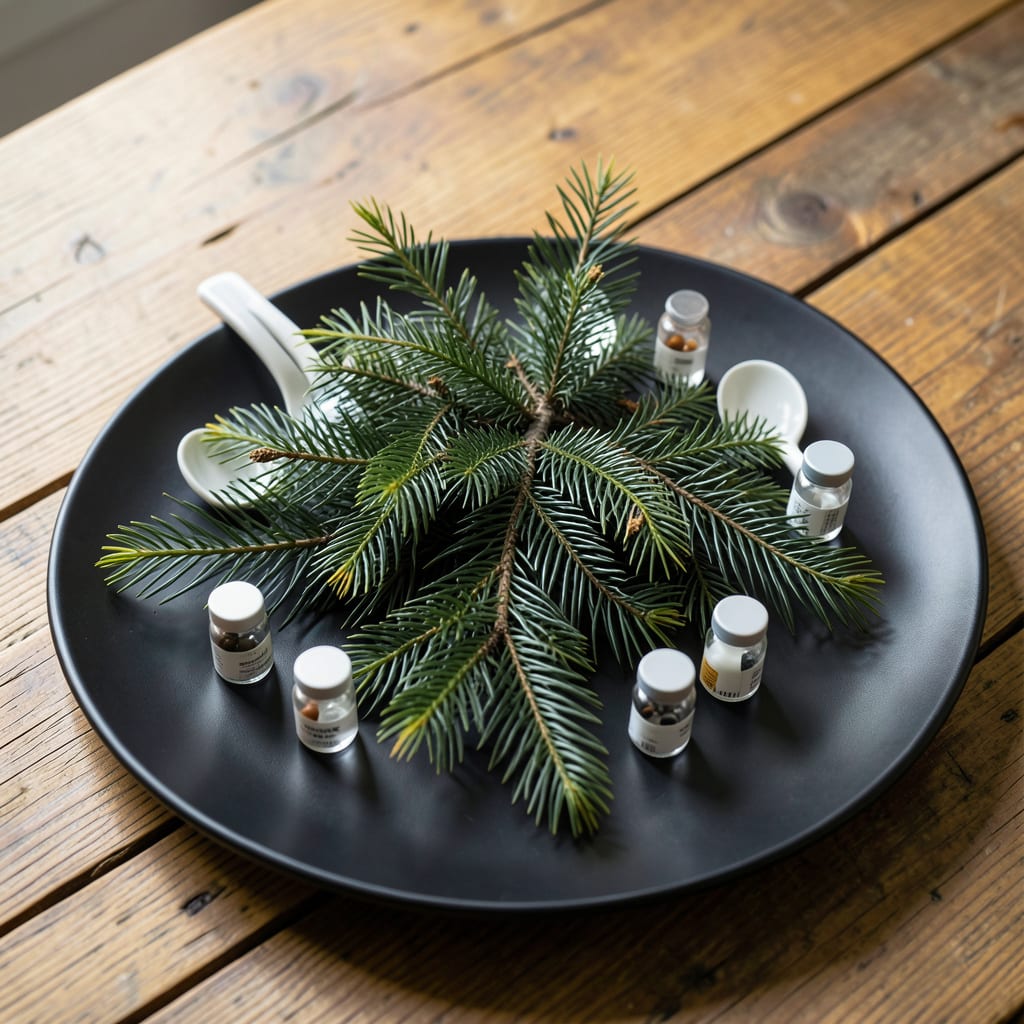
Your Black Dragon cryptomeria looks off, and you’re not imagining it. 🌿 I’ve seen these striking evergreens go from vibrant green to struggling in what feels like days, and the causes often surprise even seasoned gardeners.
Most issues stem from simple oversights—overwatering, poor drainage, or the wrong light conditions. The telltale signs are yellowing needles, wilting branches, or unexpected leaf drop, and catching them early makes all the difference.
With the right adjustments, your plant can bounce back faster than you’d expect. Proper care turns this dramatic specimen into a low-maintenance showstopper that thrives for years.
Works in gardens, containers, or as a statement piece. Here’s how to diagnose and fix the problem.
Understanding why your Black Dragon Cryptomeria is struggling starts with identifying the underlying causes. Below are the most common triggers, explained scientifically and with actionable insights.
Scale insects, spider mites, and bagworms are frequent culprits. These pests pierce plant cells to feed on sap, weakening the tree and leaving it vulnerable to secondary infections. Scale insects, for example, secrete honeydew, which promotes sooty mold growth, blocking sunlight and reducing photosynthesis. Action: Inspect branches for sticky residue or webbing, and treat with horticultural oil or insecticidal soap.
Cryptomeria are susceptible to root rot (Phytophthora) and needle blight. Overwatering or poor drainage creates anaerobic soil conditions, where pathogenic fungi thrive. Root rot destroys root tissues, while needle blight causes discoloration and defoliation. Action: Improve drainage, avoid overhead watering, and apply fungicides like copper-based solutions at the first sign of yellowing or wilting.
Extreme heat, drought, or improper sunlight exposure can stress the plant. Black Dragon Cryptomeria prefers partial shade to full sun and consistent moisture. Prolonged drought leads to xylem cavitation, where air bubbles block water transport, causing browning. Conversely, waterlogged roots suffer from oxygen deprivation. Action: Mulch to retain moisture and use drip irrigation for even watering.
A lack of iron, magnesium, or nitrogen often manifests as chlorosis (yellowing needles). Acidic soil (pH 5.0–6.0) is ideal; alkaline soils lock out iron, stunting growth. Action: Test soil pH and amend with sulfur or chelated iron if needed. Fertilize with a balanced, slow-release formula in early spring.
When your Black Dragon Cryptomeria starts showing signs of distress, quick action can save its iconic dark foliage and elegant form. Below are targeted fixes for common problems, along with prevention tips to keep your plant thriving.
Fix: Remove and destroy infected branches to prevent spread. Apply a copper-based fungicide every 7–10 days until symptoms disappear. Ensure good air circulation by thinning crowded areas.
Prevention: Water at the base (not overhead) to keep foliage dry. Space plants properly to reduce humidity buildup. 💡 Pro Tip: Prune in dry weather to minimize fungal spores.
Fix: Blast mites off with a strong stream of water. For scale, scrape off pests manually or use horticultural oil. Apply insecticidal soap or neem oil every 5–7 days until pests are gone.
Prevention: Inspect leaves regularly, especially in hot, dry weather. Keep the plant well-hydrated, as stressed plants attract pests. 🎯 Pro Tip: Introduce beneficial insects like ladybugs for natural control.
Fix: Stop watering immediately and let the soil dry out. If the root system is severely damaged, trim black, mushy roots and repot in fresh, well-draining soil. Use a fungicide drench to combat lingering pathogens.
Prevention: Plant in well-draining soil and ensure containers have drainage holes. Water only when the top inch of soil is dry. ✨ Pro Tip: Amend heavy soil with perlite or sand for better drainage.
Fix: Prune damaged foliage in early spring to encourage new growth. Apply an anti-desiccant spray in late fall to protect against moisture loss.
Prevention: Plant in a location with partial shade in hot climates. Mulch around the base to retain soil moisture. 🌿 Pro Tip: Shield young plants with burlap wraps during harsh winters.
Yellowing often signals overwatering or poor drainage, leading to root issues. It can also indicate nutrient deficiencies, especially iron in alkaline soil. Test soil moisture and pH first.
Water when the top 1-2 inches of soil feel dry. These plants prefer consistent moisture but hate soggy roots. In containers, check daily in hot weather.
Yes, if caught early. Stop watering, trim black roots, and repot in fresh, well-draining soil. Use a fungicide drench to prevent recurrence.
Inspect leaves weekly, especially in dry heat. Maintain good air flow and avoid overhead watering. Introduce beneficial insects like ladybugs.
