
Beautiful Plants For Your Interior
Beautiful Plants For Your Interior
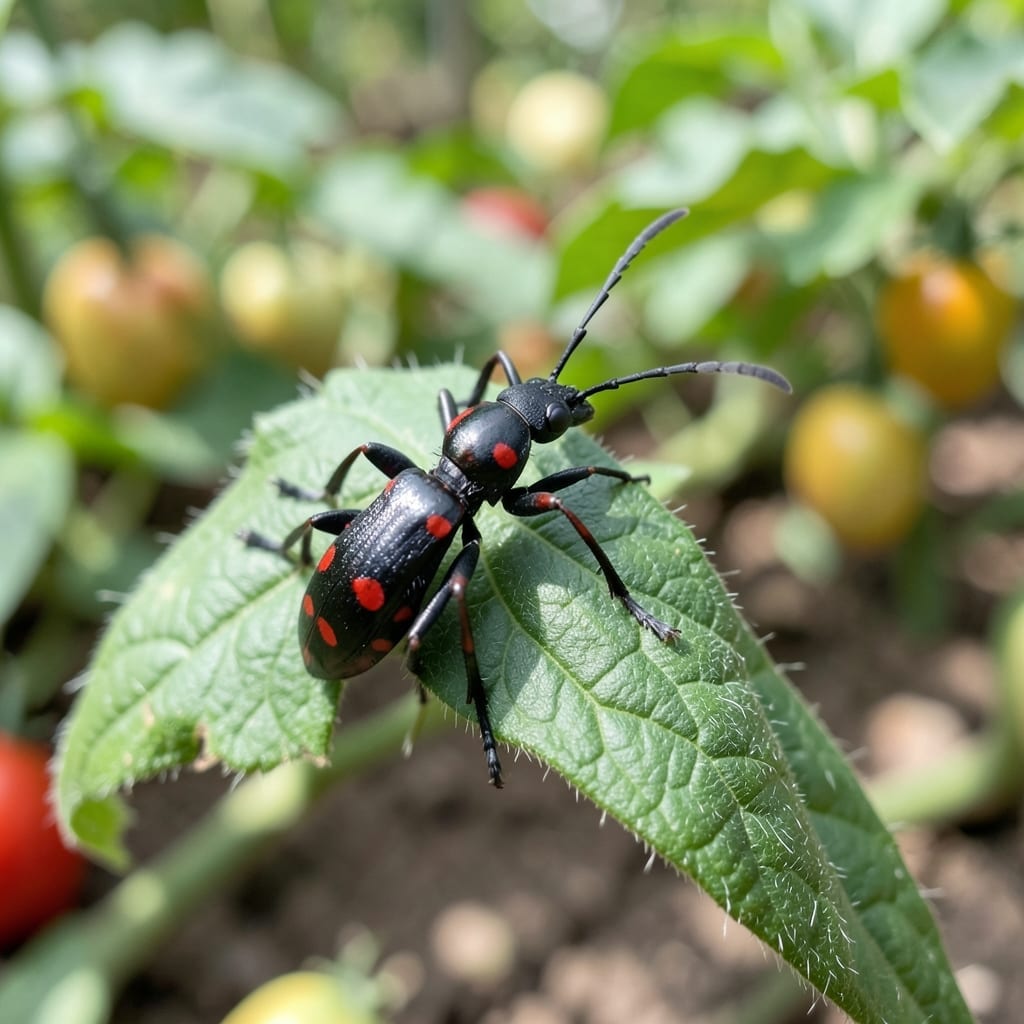
Spotted black bugs with red markings in your garden can be alarming. I first mistook them for harmful pests, but many are actually beneficial predators keeping your plants safe from real troublemakers.
Some, like ladybug larvae, are your garden’s best allies, devouring aphids by the dozen. Others, such as harlequin bugs, can wreck your brassicas if left unchecked. Proper ID is the first step to knowing whether to protect or remove them.
Organic treatments like neem oil or insecticidal soap work well for harmful varieties. For beneficial bugs, simply leave them be and let them do their job.
Prevention starts with healthy soil and diverse plantings. This keeps pest populations in balance and reduces the chances of a full-blown infestation.
The appearance of black bugs with red spots in your garden or home is often tied to specific environmental, biological, or behavioral factors. Below are the primary causes, explained with actionable insights to help you address the root of the problem.
Many black bugs with red spots, such as ladybugs (Lady Beetles) or soldier beetles, use their vivid coloration as a defense mechanism. The red spots signal to predators that they may taste foul or be toxic—a phenomenon called aposematism. This evolutionary adaptation helps them survive in the wild, but it also means they’re drawn to areas with abundant food sources, like aphid-infested plants.
An overabundance of pests like aphids, mites, or scale insects can attract spot-bearing predators. If your garden has weak or stressed plants, it becomes a buffet for sap-sucking pests—and, in turn, for the beneficial bugs that feed on them. Poor soil health, overwatering, or lack of biodiversity can create ideal conditions for these cycles to thrive.
Some species, like the Asian lady beetle, seek shelter indoors during colder months. They’re often drawn to warm, dark crevices in homes, sheds, or attics. If you notice an influx in fall or winter, it’s likely they’re preparing to hibernate. Sealing entry points (e.g., gaps in windows or doors) can prevent them from settling in.
Warmer temperatures and high humidity can trigger population booms in certain bugs. For example, boxelder bugs—black with red markings—thrive in spring and fall, congregating on sunny sides of buildings. Monitoring seasonal patterns and using physical barriers (like row covers in gardens) can help manage their presence.
Spotting black bugs with red spots in your garden can be alarming, but there are effective ways to address the issue. Below are targeted solutions based on common causes.
If these bugs are multiplying rapidly, introduce natural predators like ladybugs or lacewings. They’ll help control the population without chemicals.
Prevention Tip: Plant nectar-rich flowers to attract beneficial insects. 💡
For bugs feeding on leaves, mix 1 tbsp neem oil + 1 tsp dish soap + 1 quart water and spray affected areas. Reapply every 3–5 days until gone.
Prevention Tip: Inspect plants weekly to catch early signs. ✨
If they’re inside, check for gaps in windows, doors, or foundation cracks. Seal with caulk and use diatomaceous earth along baseboards to deter them.
Prevention Tip: Store food in airtight containers to avoid attracting pests. 🎯
Excess moisture can draw these bugs. Ensure pots have drainage holes and avoid soggy soil. Water only when the top inch of soil is dry.
Prevention Tip: Use mulch to regulate soil moisture. 🌡️
It depends on the species. Beneficial ones like ladybug larvae eat pests, while harlequin bugs damage crops. Identify first before deciding on removal.
Beneficial ones often have smooth bodies and move quickly. Pests like harlequin bugs have a shield shape and cluster on leaves.
For pests, use neem oil or insecticidal soap. Handpick beneficial ones and relocate them to avoid harming your garden.
Many seek shelter indoors to hibernate. Seal cracks and gaps in windows and doors to prevent entry.