
Beautiful Plants For Your Interior
Beautiful Plants For Your Interior
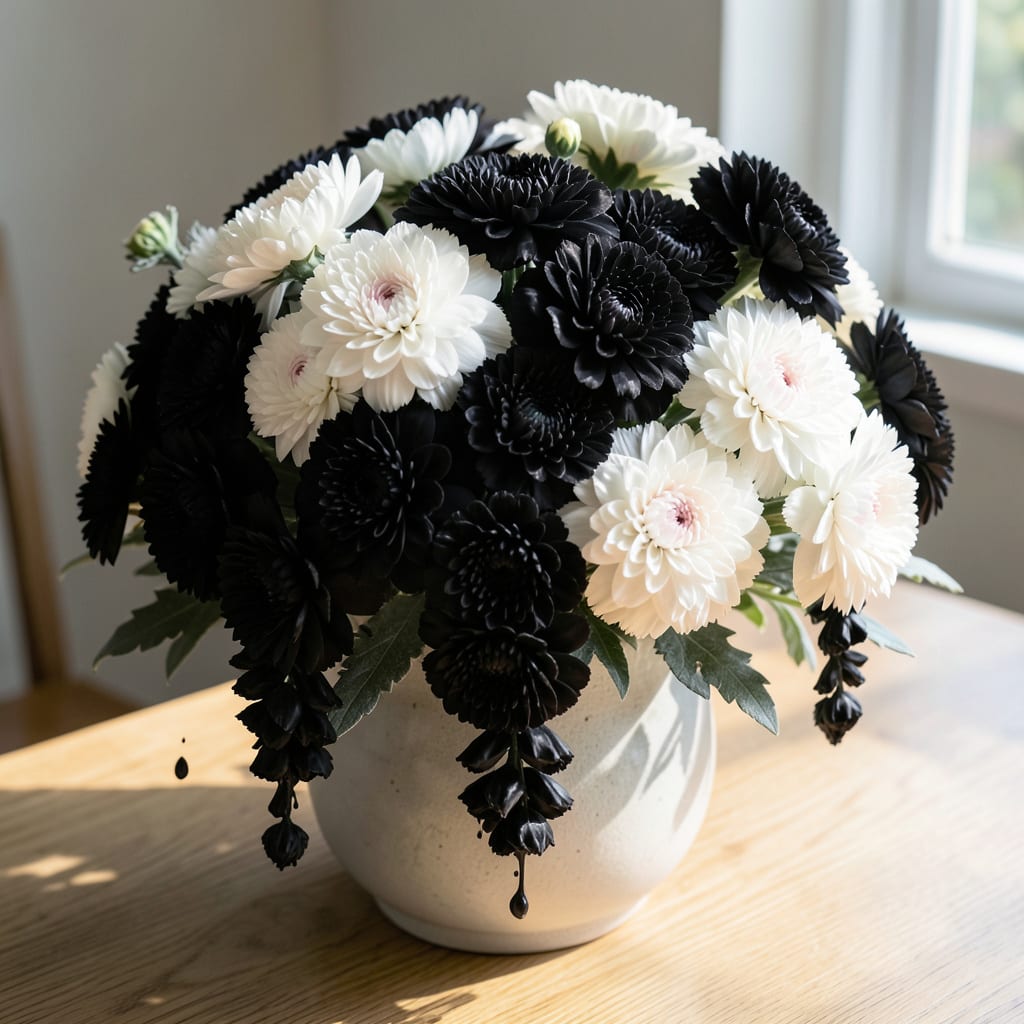
Black and white dianthus brings old-world charm to modern gardens. I fell for these fragrant blooms years ago when their spicy-sweet scent filled my evening garden.
They thrive in well-draining soil with full sun, rewarding you with clusters of striking bicolor flowers. Proper deadheading keeps them blooming from spring through fall, and their silvery foliage adds interest even between flower cycles.
📚 In This Guide
Here’s the method I use to cultivate these striking bicolor blooms with their signature spicy fragrance.
Select a spot with full sun to partial shade, as dianthus thrives in at least 6 hours of direct sunlight daily. The more sun it receives, the more prolific the flowering will be. I always test the location by observing how the light moves across the space throughout the day.
Ensure the soil is well-draining with a slightly alkaline pH between 6.75 and 7.5. Dianthus despises soggy roots, so avoid low-lying areas or heavy clay. If your soil is dense, amend it with compost or sand to improve drainage before planting.
Dig holes that are slightly wider than the root ball but no deeper. Place each plant so the crown sits just above the soil line—burying it too deep encourages rot. Space plants 6-12 inches apart depending on the variety; compact types need less room, while taller cultivars appreciate more space.
Gently firm the soil around the base to eliminate air pockets, then water thoroughly to settle everything in. I always add a thin layer of mulch around the plants to retain moisture and suppress weeds, but keep it away from the crown to prevent stem rot.
Water dianthus deeply but infrequently, allowing the soil to dry slightly between sessions. Aim for about 1 inch of water per week, either from rainfall or manual watering. The key is consistency—too much water leads to root rot, while too little stunts growth.
Water at the base of the plant to keep the foliage dry, which helps prevent fungal diseases. Early morning watering is ideal, as it gives the leaves time to dry before evening. I check the soil by sticking my finger 1 inch down—if it feels dry, it’s time to water.
Dianthus isn’t a heavy feeder, so a light application of balanced, low-nitrogen fertilizer (such as 5-10-5) in early spring is sufficient. Too much nitrogen promotes leafy growth at the expense of flowers, which defeats the purpose of growing these plants for their striking blooms.
I apply fertilizer sparingly, following the package instructions for dilution rates. A second light feeding in early summer can encourage a second flush of blooms. Always water after fertilizing to help distribute the nutrients evenly and prevent root burn.
Remove spent flowers regularly to encourage more blooms. Use clean, sharp shears to snip off the faded flowers just above a set of leaves or a branching point. This practice, called deadheading, redirects the plant’s energy toward producing new flowers rather than seeds.
For a tidier appearance, trim back leggy stems by one-third after the first major bloom. This rejuvenates the plant and promotes bushier growth. I always sterilize my pruning tools with rubbing alcohol before and after use to prevent disease transmission between plants.
These insights will help you cultivate vibrant, healthy dianthus with minimal fuss.
Light Exposure: The 6 hours of direct sunlight mentioned in Step 1 is non-negotiable for prolific blooming. If your garden gets less, prioritize morning sun over afternoon. I’ve found that plants receiving only 4-5 hours produce significantly fewer flowers and weaker fragrance.
Soil Preparation: In Step 1, the pH range of 6.75 to 7.5 is ideal, but don’t overlook drainage. Even with perfect pH, soggy soil will kill dianthus faster than poor pH. Amend heavy clay with compost and sand—this one adjustment prevents most root rot issues.
Planting Depth: In Step 2, that detail about keeping the crown just above soil line is critical. I learned this the hard way after losing several plants to stem rot. Use a ruler if needed—burying even an extra half-inch can spell disaster for these shallow-rooted plants.
Pruning Timing: Step 5’s instruction to trim back by one-third after the first major bloom isn’t just for aesthetics. This timing coincides with the plant’s natural growth cycle, and doing it earlier or later reduces the bushiness you’re aiming for. Sterilizing tools, as mentioned, prevents disease spread between plants.
Keep them in well-draining soil with full sun to partial shade. Water moderately, allowing the soil to dry between sessions. Deadhead spent blooms to encourage continuous flowering. Fertilize lightly in spring for best results.
Plant in early spring or fall for cooler temperatures. They thrive in USDA zones 5-9. Avoid extreme summer heat, as it can stress the plants. A mild climate ensures vibrant, long-lasting blooms.
Yes! Use a pot with drainage holes and a quality potting mix. Containers allow for easy movement to optimize sunlight. Ensure consistent moisture but avoid waterlogging. Ideal for patios or balconies.
Yellowing leaves often indicate overwatering or poor drainage. Check soil moisture and ensure the pot or garden bed drains well. Adjust watering habits and trim affected foliage to promote healthy growth.
Pair with lavender, salvia, or ornamental grasses for a striking contrast. These companions share similar sunlight and soil needs, creating a cohesive, low-maintenance garden display.
