
Beautiful Plants For Your Interior
Beautiful Plants For Your Interior
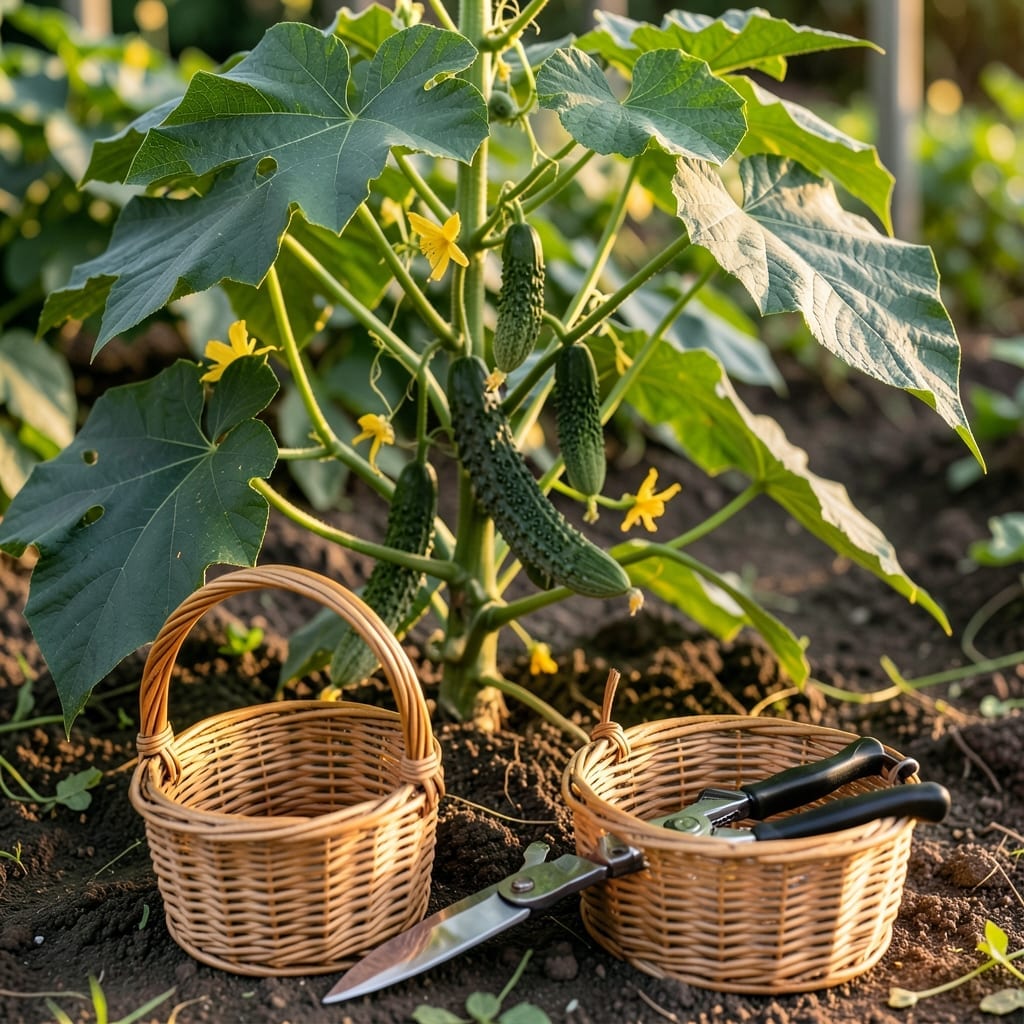
If you’ve ever struggled to grow bitter melon, timing might be your missing piece. The 🥒 Bitter Melon thrives when planted in the right conditions, and getting this wrong can mean a poor harvest or no crop at all.
In USDA Zone 6, the ideal window for planting is April to May, when the soil is warm and frost is no longer a threat. This sets the stage for a strong start and healthy growth throughout the season.
But knowing when to plant is just the beginning. You also need to recognize the perfect harvest time, which typically falls between July and September. The fruits are at their peak flavor and texture during this period.
Let me walk you through the best practices for timing your Bitter Melon cultivation to ensure a bountiful and flavorful yield.
Bitter melon thrives in warm climates, so timing your planting is crucial. In USDA Zone 6, the best months are April to May, when soil temperatures reach at least 70°F. This ensures proper germination and early growth.
For regions with longer growing seasons, you can start seeds indoors 4-6 weeks before the last frost. Transplant seedlings outdoors only after all frost danger has passed, typically around mid-April in Zone 6.
🌱 Bitter Melon Season Guide
| Requirement | Specification |
|---|---|
| Planting Window | April – May |
| Soil Temperature | 70°F minimum |
| Sunlight Needs | 6-8 hours daily |
| Harvest Time | July – September |
In warmer zones like 7-11, you can plant bitter melon as early as March or as late as June. The key is ensuring the soil stays warm, as cold soil can stunt growth or cause seeds to rot.
Bitter melon plants need full sun and well-draining soil to flourish. If your garden has heavy clay, consider amending it with compost or planting in raised beds for better drainage.
For those in cooler climates, black plastic mulch can help warm the soil faster in spring. I’ve found this trick particularly useful for getting a head start on the growing season.
Once planted, bitter melon vines grow quickly, often reaching 5-6 feet in length. Providing a trellis or support keeps the vines off the ground, improving air circulation and reducing disease risk.
Water consistently, aiming for 1-2 inches per week, but avoid waterlogging the soil. Overwatering can lead to root rot, which is especially risky in the early stages of growth.
If you’re in a region with a short growing season, consider using row covers to extend warmth. This can help you plant earlier and harvest later, maximizing your bitter melon season.
Finally, remember that bitter melon is a heat-loving plant. If temperatures drop below 50°F at night, growth may slow or stop altogether. Keep an eye on the forecast and protect young plants if needed.
By following these guidelines, you’ll set your bitter melon up for success, ensuring a strong start and a productive growing season.
🌱Knowing when to pick your bitter melon is just as important as planting at the right time. I look for visual cues like color changes and texture development to ensure peak flavor and quality from my vines.
The most reliable sign is when the fruit reaches 4-6 inches in length. At this stage, the skin lightens from dark green to a paler shade, often with hints of yellow appearing as it matures.
I avoid harvesting when fruits are still dark green and firm, as this indicates they’re underripe. The bumps should be large and rough, not small and smooth, which means they need more time on the vine.
Another key indicator is how easily the fruit separates. If it comes off with minimal effort, it’s ready. If it resists, I leave it for 2-3 more days before checking again.
Timing your harvest correctly ensures the best flavor and texture. I find that picking in the early morning when temperatures are cooler helps preserve freshness and quality.
Remember, bitter melons left too long will turn orange or red and become overly bitter. For the best results, I harvest during the active growing season from July to September in most regions.