
Beautiful Plants For Your Interior
Beautiful Plants For Your Interior
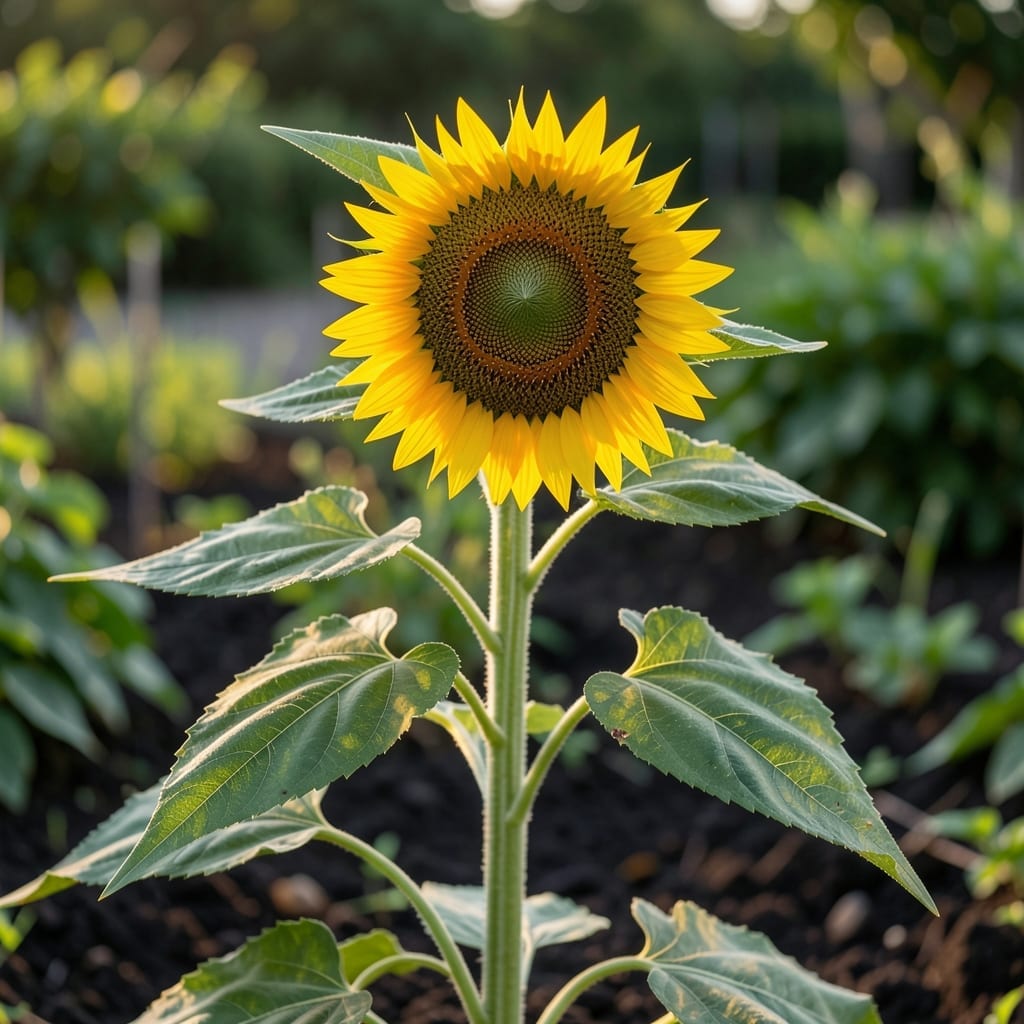
Different bird species prefer specific seeds. Sunflower, millet, and nyjer attract finches, cardinals, and sparrows, while safflower and peanuts draw blue jays and woodpeckers.
I’ve learned that seed selection goes beyond preference—it’s about beak size and nutritional needs. Smaller birds like finches thrive on tiny nyjer seeds, while larger species such as jays prefer the hard shells of peanuts. Seasonal shifts also play a role, as high-fat seeds like sunflower become crucial during colder months. ✨
💡 In This Article
Bird beaks are specialized tools that dictate their seed preferences. Finches have short, stout beaks perfect for cracking tiny nyjer seeds, while cardinals use their strong, conical beaks to crush larger sunflower seeds. This anatomical adaptation is nature’s way of matching birds to their ideal food sources. 🔥
Oil content plays a massive role in attraction. Nyjer seeds contain about 40% oil, providing the high-energy fuel small birds like finches need for their active lifestyles. In contrast, safflower seeds with their 35-40% oil and harder shell appeal to blue jays and cardinals who can exert the necessary force to access the nutritious kernel.
✨
Seasonal dietary shifts are equally important. During winter, birds seek high-fat seeds like black oil sunflower to maintain body heat, consuming up to 1/3 of their body weight daily. In warmer months, they’ll opt for protein-rich peanuts to support breeding and molting. This seasonal adaptation explains why your feeder visitors change throughout the year. 💫
Seed size matters more than you might think. Tiny millet seeds are perfect for sparrows and juncos, while larger birds like blue jays prefer peanuts in the shell that they can hold with their feet while cracking open. The rule is simple: the bigger the bird, the larger the seed it can handle effectively.
Even seed color influences feeding habits. Birds see ultraviolet light, making certain seeds more visible. White millet stands out against green grass, while black oil sunflower seeds contrast sharply with snow, explaining their winter popularity among many species. ⚡
Regional variations add another layer. Northern cardinals in the Midwest show strong preference for safflower, while western scrub jays favor peanuts. This geographic specialization means what works in one area might not in another, making local observation key to successful bird feeding.
Cardinals love safflower and black oil sunflower seeds best. Their strong beaks can crack the hard shells, and the high oil content provides energy they need.
Finches have small, delicate beaks designed for tiny seeds like nyjer. Larger seeds are simply too big for them to handle or crack open effectively.
Use safflower seeds—squirrels dislike their bitter taste. Also, place feeders at least 5 feet off the ground and 10 feet from trees to limit access.
Black oil sunflower seeds are universally loved by chickadees, nuthatches, and woodpeckers. A 60-30-10 ratio blend with millet and nyjer works well for diversity.