
Beautiful Plants For Your Interior
Beautiful Plants For Your Interior
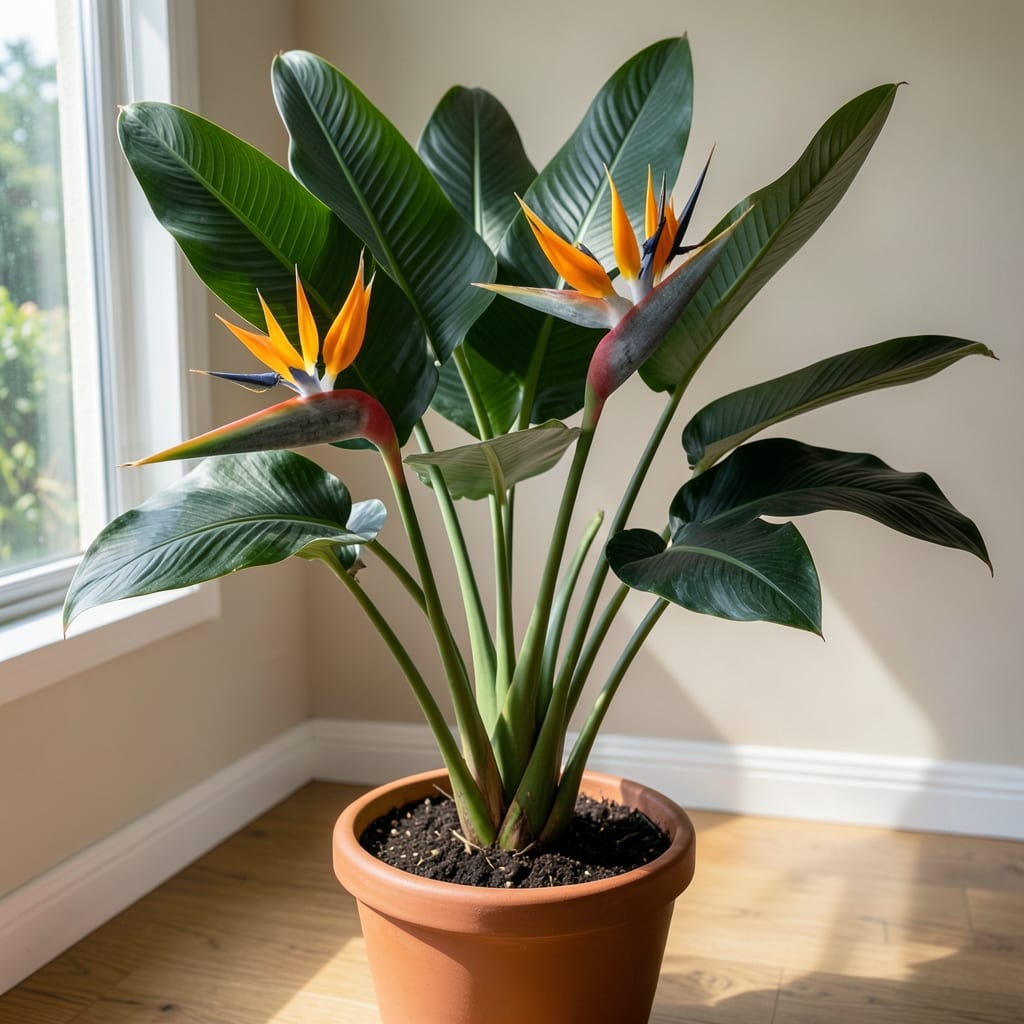
Bird of paradise birds face risks like beak and feather disease, psittacine circovirus, and respiratory infections. Prevention includes regular vet checkups, proper hygiene, and a balanced diet.
These exotic birds are particularly vulnerable to viral infections due to their sensitive immune systems. I’ve seen cases where stress from poor living conditions accelerates disease progression, making environmental control just as critical as medical care. Early detection through behavioral monitoring can save lives, as symptoms often appear subtle at first. ⚡
💡 In This Article
The psittacine beak and feather disease is caused by a circovirus that attacks rapidly dividing cells, leading to abnormal feather growth and beak deformities. This virus spreads through direct contact with contaminated feathers, dust, or surfaces. Symptoms include chronic feather loss, beak overgrowth, and immune suppression, which can make birds more susceptible to secondary infections.
🔥
Psittacine circovirus, another major threat, targets the immune system and liver, often leading to chronic wasting disease. Infected birds may show lethargy, weight loss, and poor feather quality. The virus is highly contagious, spreading through feces, secretions, and fomites, making strict hygiene protocols essential in aviaries. ✨
Respiratory infections, often bacterial, thrive in poorly ventilated or damp environments. These infections can cause nasal discharge, labored breathing, and reduced activity. Stress from overcrowding or sudden temperature changes weakens the birds’ defenses, allowing pathogens like Chlamydia psittaci or E. coli to take hold more easily. 💫
Nutritional deficiencies also play a significant role in disease susceptibility. A diet lacking in vitamin A or calcium can lead to weakened immunity, poor feather quality, and metabolic disorders. Wild bird of paradise birds consume a diverse diet of fruits, insects, and nectar, which provides a broad spectrum of nutrients that captive diets must replicate.
⚡
Environmental stressors, such as loud noises, frequent handling, or sudden changes in lighting, can trigger physiological responses that compromise health. These stressors elevate cortisol levels, suppressing immune function and making birds more vulnerable to opportunistic infections. Proper enclosure design and minimal disruption are key to mitigation. 🌟
Look for fluffed feathers, reduced vocalization, or changes in droppings. Lethargy and loss of appetite are red flags. Early detection is key, as symptoms often start subtly.
Clean food and water dishes daily with disinfectant. Do a full habitat clean every 2-3 weeks to prevent bacterial buildup. Weekly bedding replacement is also recommended.
Loud noises, frequent handling, or temperature swings elevate cortisol, weakening their immune system. Maintain consistent conditions to minimize stress.
Offer fresh fruits like papaya, fortified pellets with vitamin A and D3, and live insects 2-3 times weekly. Variety mimics their natural diet.
Yes, especially for psittacine beak and feather disease and circovirus. An avian vet can set up a schedule with 2-3 doses and annual boosters.