
Beautiful Plants For Your Interior
Beautiful Plants For Your Interior
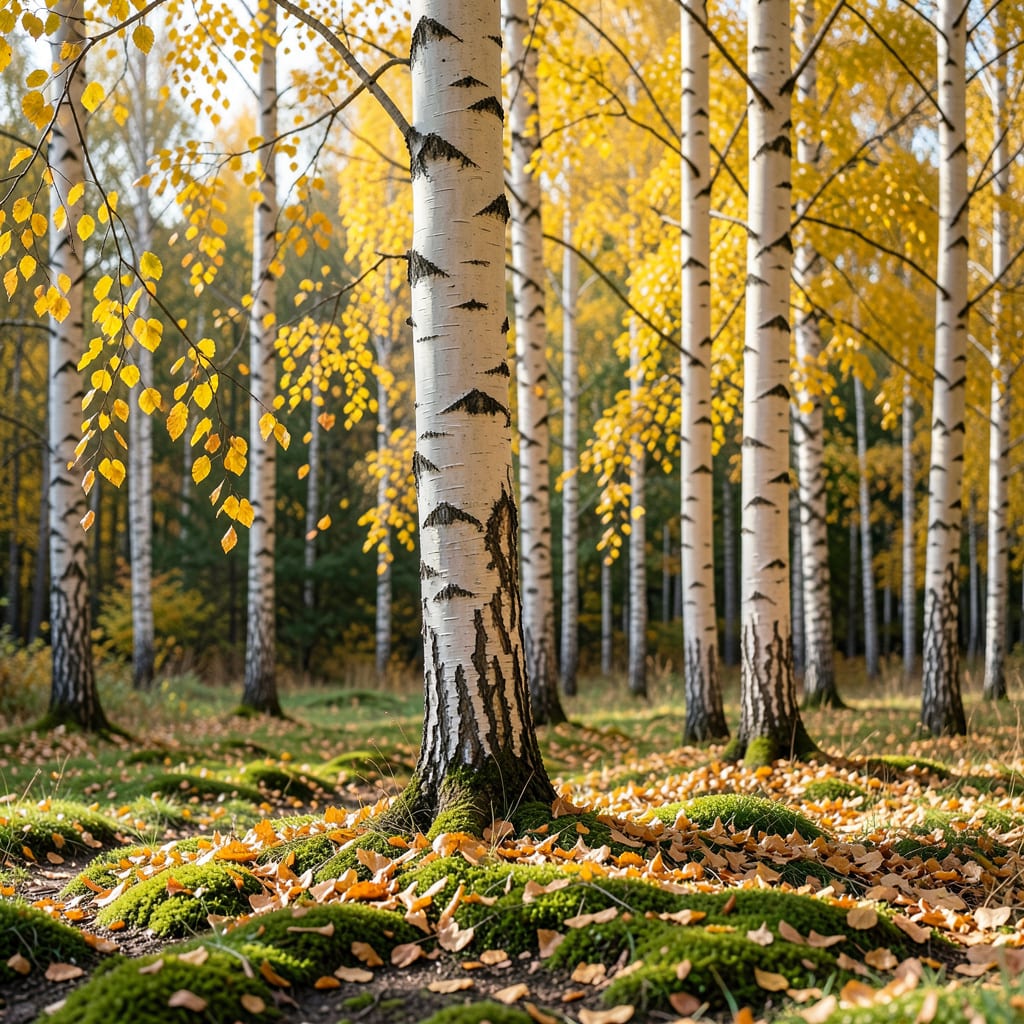
Yellow leaves on birch trees always catch my eye first thing in the morning. I’ve learned this isn’t just a color change—it’s the tree’s way of signaling something’s off, whether it’s thirst, hunger, or an uninvited pest.
Most folks jump to conclusions about disease, but often it’s simpler: dry soil, poor drainage, or even too much love in the form of water. The fix starts with playing detective in your own yard.
I’ve nursed back several birches by adjusting their care, and the recovery is surprisingly fast once you pinpoint the issue. Leaves regain their green within 2-3 weeks with the right approach.
Works for young saplings and mature trees alike. Here’s how to read the signs and respond before it’s too late.
Yellowing leaves on birch trees often signal underlying issues that disrupt their health. Below are the primary causes, explained with actionable insights.
Birch trees require a balanced diet of nitrogen, iron, and magnesium. A deficiency in any of these can lead to chlorosis, where leaves lose their green pigment. Nitrogen deficiency typically causes uniform yellowing, while iron deficiency (common in alkaline soils) leads to yellow leaves with green veins. Test your soil and amend it with organic matter or targeted fertilizers to restore balance.
Birch trees thrive in moist but well-drained soil. Root rot from waterlogged conditions suffocates the roots, preventing nutrient uptake. If the soil stays soggy, check for drainage issues or compacted roots. Adjust watering habits and consider installing drainage solutions like French drains.
Fungi like Verticillium and Phytophthora can invade birch trees, disrupting water and nutrient flow. Symptoms include yellowing leaves, wilting, and dieback. Remove infected branches and treat the tree with fungicides. Improve airflow around the tree to reduce humidity, which discourages fungal growth.
Pests such as birch leaf miners and aphids damage leaves by feeding on their tissues, leading to discoloration. Inspect the undersides of leaves for signs of pests or their eggs. Introduce beneficial insects like ladybugs or apply horticultural oils to control infestations naturally.
Extreme temperatures, drought, or excessive heat can stress birch trees, causing leaves to yellow prematurely. Provide consistent watering during dry spells and mulch around the base to retain moisture. Shade cloths can protect young trees from scorching sun.
Identifying the root cause is the first step to reviving your birch tree’s vibrant green foliage.
If your birch tree’s leaves are turning yellow, don’t panic—there are practical ways to nurse it back to health. Below are targeted fixes for the most common causes, along with prevention tips to keep your tree thriving.
Yellow leaves often signal a lack of nitrogen, iron, or magnesium. Fix: Use a balanced, slow-release fertilizer (10-10-10) in early spring or late fall. For iron deficiency (common in alkaline soil), apply chelated iron or sulfur to lower pH. Prevention tip: Test soil annually and amend as needed. 💡
Too much water or soggy soil suffocates roots, leading to yellowing. Fix: Let the top 2–3 inches of soil dry out between waterings. If drainage is poor, mix in compost or sand to improve aeration. Prevention tip: Plant birches in well-draining soil and avoid low-lying areas. 🌡️
Extreme heat, drought, or sudden temperature swings can stress birches. Fix: Mulch with 2–3 inches of organic material (wood chips, bark) to retain moisture and regulate soil temperature. For young trees, use shade cloth during peak summer. Prevention tip: Water deeply during dry spells, especially for newly planted trees. ✨
Aphids, birch leaf miners, or fungal infections (like leaf spot) can cause yellowing. Fix: Blast aphids off with water or use insecticidal soap. For fungi, remove infected leaves and apply neem oil. Prevention tip: Keep the area clean of debris and avoid overhead watering. 🎯
With these steps, your birch can recover its vibrant green leaves—and stay resilient for seasons to come!
Check the pattern: uniform yellowing often means nitrogen deficiency, while yellow with green veins suggests iron deficiency. Spotty yellowing or wilting may indicate fungal disease.
Yes, root rot from soggy soil prevents nutrient uptake. Let the top 2-3 inches of soil dry between waterings. Improve drainage with compost or sand.
For quick results, address watering issues first—adjust to 1-2 inches per week. Then test soil and fertilize if needed. Most trees recover in 2-3 weeks.
Once leaves turn yellow, they won’t regain full green color. Focus on improving tree health so new growth emerges vibrant. Remove severely yellowed leaves to redirect energy.
