
Beautiful Plants For Your Interior
Beautiful Plants For Your Interior
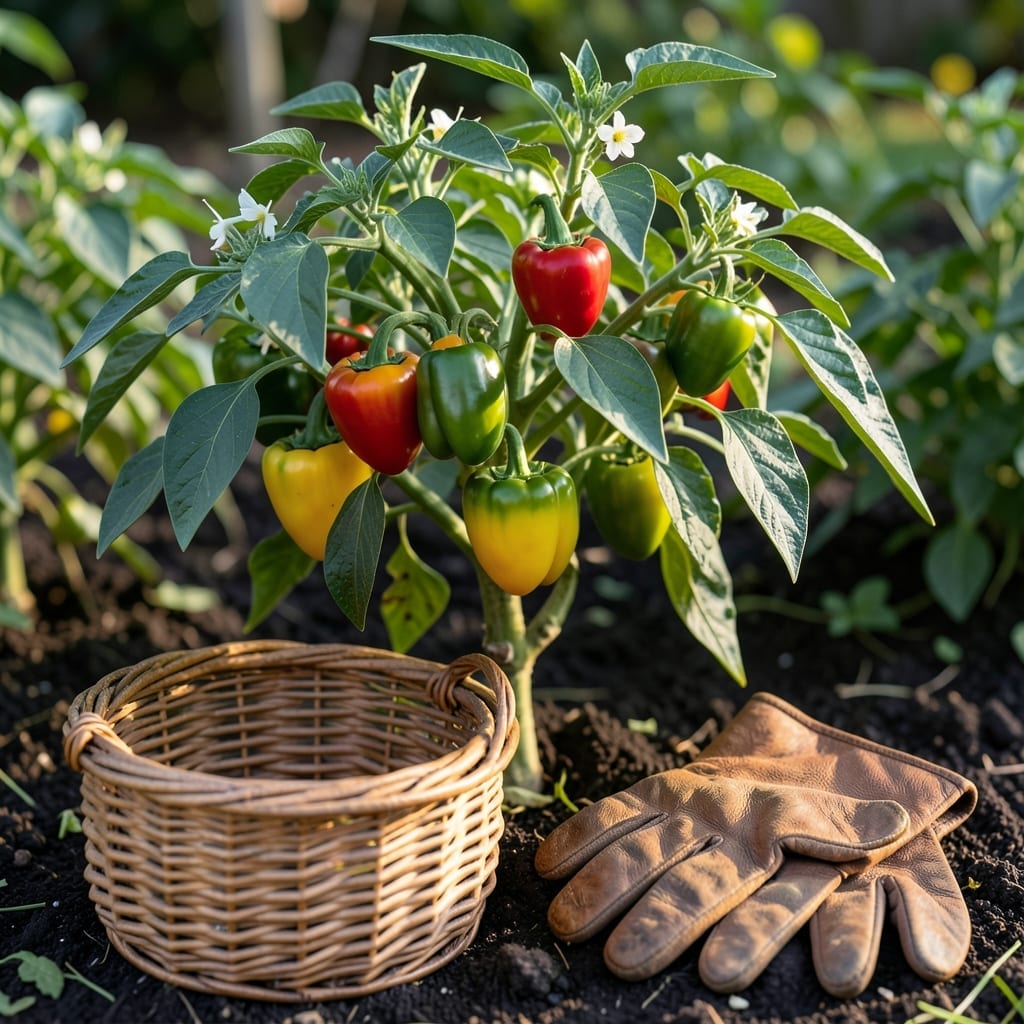
Dreaming of harvesting Bell Peppers the size of your hand—or bigger? Growing record-breaking 🌶️ varieties at home is absolutely achievable with the right approach.
I’ve tested countless methods to help these vibrant peppers reach their maximum potential. The key lies in choosing the best varieties and giving them ideal conditions.
Whether you’re a seasoned gardener or just starting out, you’ll be amazed at how simple tweaks can transform your harvest. Let me show you exactly how to make it happen.
Discover the secrets to cultivating Bell Peppers that will impress your neighbors and fill your kitchen with fresh, flavorful giants.
If you want to grow the biggest bell peppers, start with the right variety. Some cultivars are bred to produce giant fruits that can weigh over 1 pound each. These aren’t your average grocery store peppers.
I’ve tested many types, and the size difference is stunning. Varieties like ‘King Arthur’ and ‘Goliath’ consistently outperform standard types in both girth and length. They thrive with proper care and space.
| Variety | Size Potential | Flavor | Growth Habit |
|---|---|---|---|
| King Arthur | 8-10 oz, blocky shape | Sweet, crisp texture | Compact, bushy plants |
| Goliath | 1 lb+, thick walls | Mild, juicy | Vigorous, tall stems |
| Colossal | 7-9 oz, uniform | Rich, sweet | Disease-resistant, sturdy |
| Big Bertha | 12 oz+, elongated | Sweet, tender | Heavy producer, needs support |
For maximum size, ‘Goliath’ is my top pick. It can reach 7 inches long and weigh over 1 pound. The thick walls make it perfect for stuffing or fresh eating. Just ensure it gets full sun and rich soil.
‘King Arthur’ is another winner, producing blocky, uniform peppers that average 8-10 ounces. Its compact growth makes it ideal for containers or small gardens. The flavor is consistently sweet and crisp.
If you prefer elongated peppers, ‘Big Bertha’ delivers. These can grow 12 ounces or more with a slightly tapered shape. They’re tender and sweet, but the plants need staking to support the heavy fruit.
‘Colossal’ lives up to its name with 7-9 ounce peppers that are uniform in size. This variety is disease-resistant, making it a reliable choice for organic gardeners. Its rich, sweet flavor is a crowd-pleaser.
All these varieties require warm soil to germinate, so start seeds indoors 8-10 weeks before the last frost. Transplant them outside only after soil temps hit 60°F. This gives them the best start for giant growth.
Space plants 18-24 inches apart to allow room for large fruits to develop. Crowding can lead to smaller peppers and poor air circulation, which invites disease. I’ve seen dramatic size increases just by giving plants extra space.
For the biggest harvest, fertilize with a balanced 10-10-10 formula at planting and again when flowers appear. Switch to a low-nitrogen fertilizer once fruits form to encourage bigger peppers instead of leafy growth.
With the right variety and care, you’ll be amazed at the size of your homegrown bell peppers. Nothing beats the pride of pulling a 1-pound pepper from your own garden.
🌿Growing giant bell peppers starts with rich, well-draining soil. I always mix in aged compost and organic matter to ensure plenty of nutrients for robust growth. This foundation supports the plant’s ability to produce oversized fruit.
Next, focus on proper plant spacing. I give each bell pepper plant at least 18-24 inches of space to allow for air circulation and root expansion. Crowding can stunt growth and reduce fruit size.
Consistent watering is critical for maximum pepper size. I water my plants deeply at the base in the morning to prevent foliar diseases and ensure the roots get enough moisture. Inconsistent watering leads to smaller, bitter peppers.
Don’t overlook pruning and support. I remove early flower buds to encourage stronger stem growth before fruiting. As peppers develop, I use cages or stakes to prevent branches from breaking under the weight of giant bell peppers.
Fertilizing strategically makes a huge difference. I use a balanced fertilizer early on, then switch to a low-nitrogen, high-phosphorus formula once flowers appear. This shift promotes bigger, sweeter peppers rather than excessive leafy growth.
Finally, monitor for pests like aphids and pepper maggots, which can stress plants and limit fruit size. I use neem oil spray as a natural deterrent and inspect plants regularly for signs of trouble.
With these techniques, you’ll be harvesting hand-sized bell peppers that are the envy of the neighborhood 🌿