
Beautiful Plants For Your Interior
Beautiful Plants For Your Interior
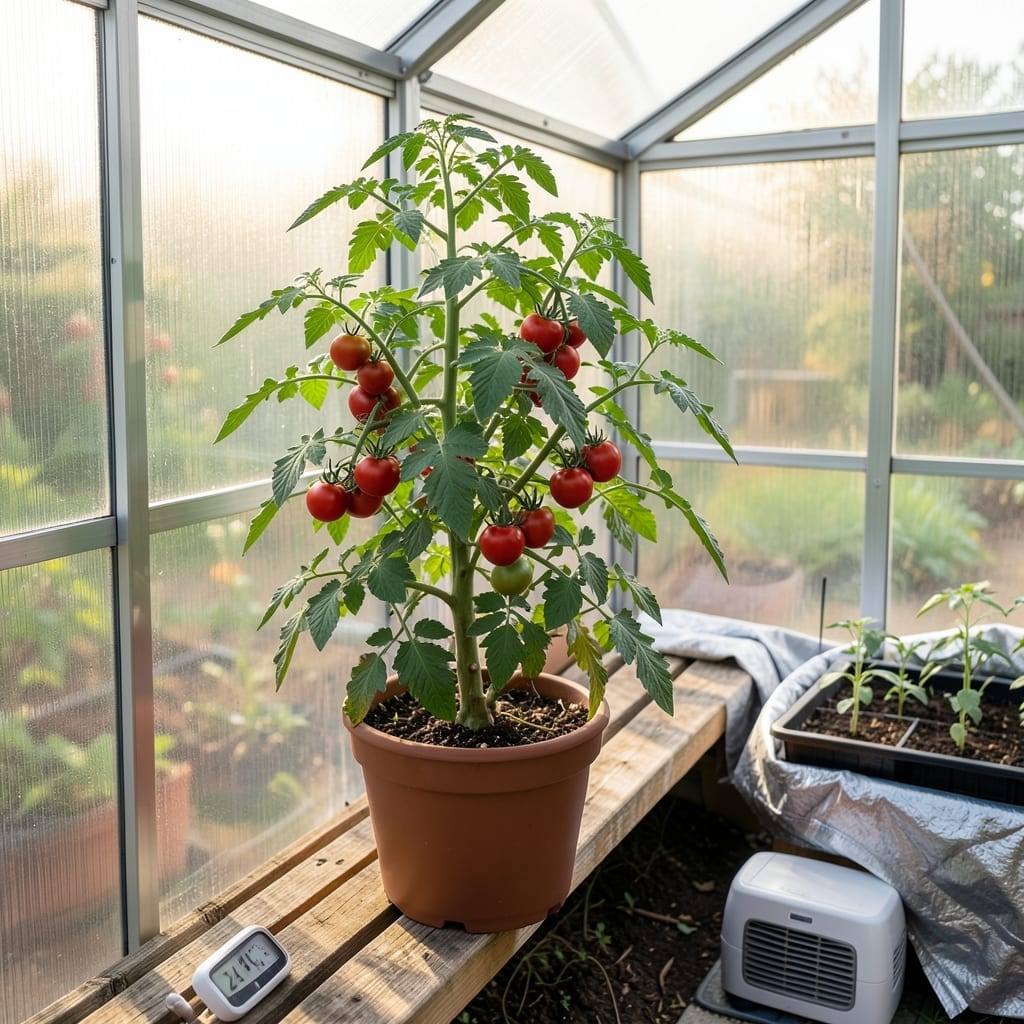
The most efficient winter greenhouse heating combines passive solar gain with supplemental systems like radiant heaters or geothermal. Insulation and thermal mass storage reduce energy costs significantly.
I’ve found that capturing sunlight through south-facing glazing and storing it in water barrels or stone floors can maintain stable temperatures overnight. Supplemental heaters kick in during extreme cold, but proper insulation prevents heat loss through gaps. This hybrid approach cuts costs while keeping plants thriving through the coldest months. ⚡
💡 In This Article
The science behind passive solar heating starts with shortwave radiation from the sun passing through greenhouse glazing. This light energy converts to longwave heat once it hits surfaces inside, which gets trapped by the glass or plastic. The key is maximizing this absorption during daylight hours when the sun is at its strongest angle. 🔥
Thermal mass materials like 55-gallon water barrels or 6-inch thick stone floors absorb and store this heat. Water has a specific heat capacity of 1 BTU per pound per °F, meaning it can store 4-5 times more heat than air per volume.
A 10×12 ft greenhouse with 3-4 water barrels can maintain temperatures 10-15°F warmer overnight.
Proper orientation amplifies efficiency. A greenhouse with its long axis running east-west and glazing facing true south (not magnetic south) receives 40% more solar energy in winter. The roof angle should match your latitude plus 10-15 degrees to optimize the sun’s low winter trajectory. This positioning ensures maximum light penetration when you need it most.
✨
At night, the stored heat radiates slowly from thermal mass materials. Stone floors release about 50% of their stored heat over 8-10 hours, while water barrels release theirs more gradually. Adding insulated north walls and double-layer glazing reduces heat loss by 30-50%, making your passive system even more effective. 💫
This natural heat retention works best in climates with sunny winter days and moderate nighttime temperatures. In regions with frequent cloud cover, you might need to supplement with backup heaters during extended cold snaps. The beauty is that even on cloudy days, diffused sunlight still contributes to your thermal storage.
Passive solar with thermal mass like water barrels costs almost nothing after setup. For backup, a $200 propane heater with 20 lb tanks is affordable. This combo keeps costs low while maintaining warmth.
Use double-layer glazing and insulated north walls to reduce heat loss by 30-50%. Thermal mass materials slowly release stored heat through the night. Sealing gaps with weatherstripping helps too.
Yes for long-term use—it cuts energy bills by 70% with 300-400% efficiency. Upfront costs are high ($10,000-$25,000), but it pays off over 10-15 years.
Face glazing true south with the long axis running east-west. The roof angle should match your latitude plus 10-15° to maximize winter sun exposure. This setup boosts solar gain by 40%.