
Beautiful Plants For Your Interior
Beautiful Plants For Your Interior
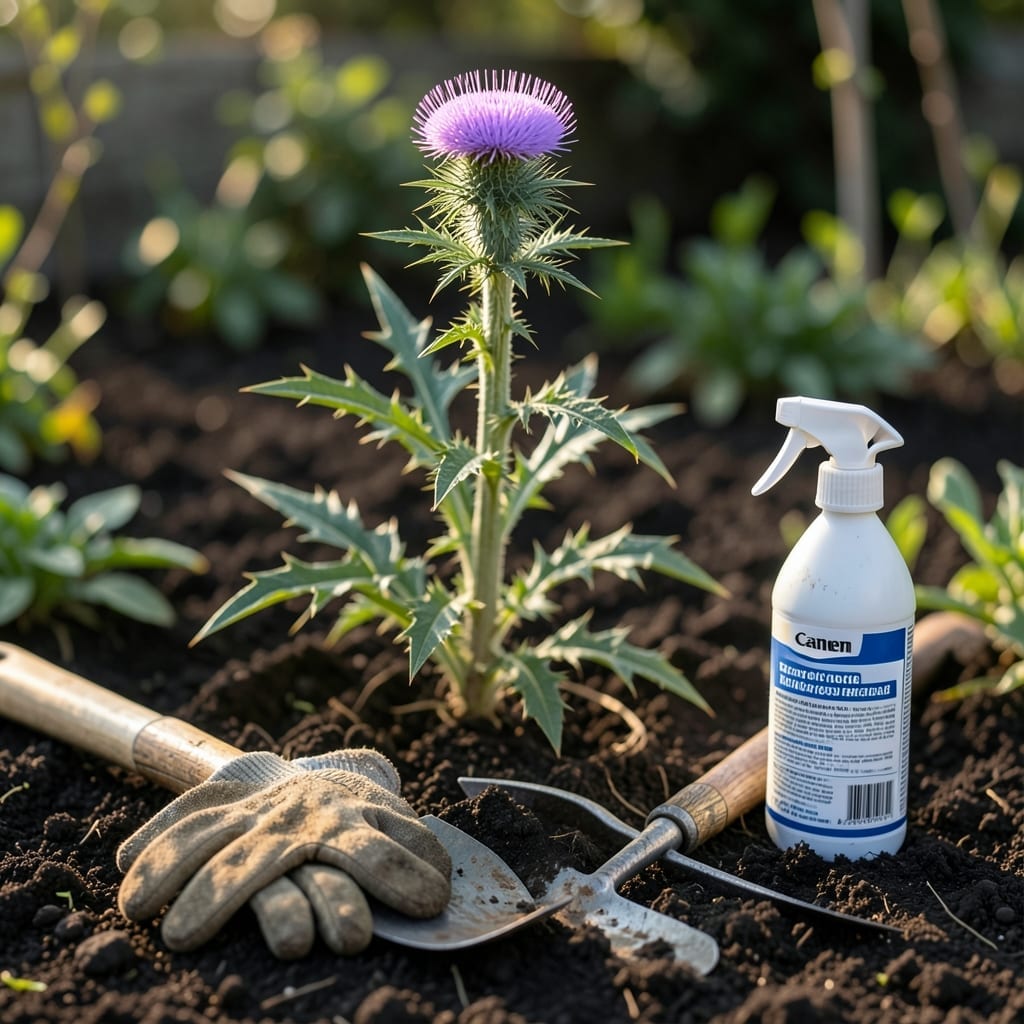
Thistles ruined my first garden bed. 🌱 I tried everything before finding the foolproof method that actually stops them for good.
Here’s the thing—they come back from the tiniest root fragment. Digging just spreads them. The real solution combines timing, technique, and persistence to break their life cycle.
You’ll see a dramatic reduction within weeks, not months. No harsh chemicals, just smart strategy and consistent effort.
Works for lawns, gardens, and wild patches. This is how to reclaim your space for good.
Thistles are tough, aggressive weeds that thrive under specific conditions. Understanding why they appear is the first step to permanently removing them. Below are the most common causes, backed by science and practical observations.
Thistles often take over in disturbed or nutrient-poor soils. When soil lacks organic matter or has imbalanced pH levels (too acidic or alkaline), thistles outcompete weaker plants. Their deep taproots allow them to access water and nutrients that shallow-rooted plants can’t reach.
Frequent grazing by livestock or excessive mowing weakens grass and desirable plants, creating bare patches where thistles can germinate. These weeds are unpalatable to most animals, so they’re left untouched while other vegetation is consumed, giving them free rein to spread.
Thistles produce thousands of lightweight seeds per plant, which are easily carried by wind over long distances. A single mature thistle can release up to 20,000 seeds, which can lie dormant in the soil for years before sprouting when conditions are right.
While thistles are drought-tolerant, they also thrive in waterlogged or poorly drained soils. Excess moisture can suppress other plants while thistles—thanks to their hardy roots—adapt and dominate. This is common in low-lying areas or compacted soils.
Thistles are opportunistic. In gardens, fields, or lawns with sparse vegetation, they quickly fill the void. Healthy, dense plantings of grasses, clovers, or ground covers naturally shade the soil, preventing thistle seeds from germinating.
Getting rid of thistles for good means targeting the root of the problem—literally. Below are practical, chemical-free solutions for every stage of infestation, along with tips to keep them from coming back.
If you spot thistles when they’re young (before they flower), hand-pulling is your best bet. Use a weeding tool or sturdy gloves to grasp the base and pull slowly to remove the entire taproot. Pro tip 💡: Moisten the soil first to loosen the dirt and make pulling easier. Check the area weekly—thistles can regrow from root fragments left behind.
For mature thistles with deep roots, a garden fork or trowel is essential. Dig a wide circle around the base (6–8 inches out) to sever lateral roots, then pry the plant out. Prevention tip ✨: Bag and dispose of the plants immediately—thistles can reseed even after being uprooted. Avoid composting to prevent spreading.
When thistles have taken over, smothering works well. Cover the area with thick cardboard or black plastic for 3–6 months to block sunlight and kill existing plants. Alternatively, repeated mowing (every 2–3 weeks) weakens thistles by preventing seed formation. Key point 🎯: Consistency is critical—stop too soon, and they’ll bounce back.
Remember 🌱: Thistles are persistent, but a combination of removal and prevention will keep your garden or yard clear for good.
Inspect your garden weekly during spring and fall. Thistles germinate quickly, and early removal prevents deep rooting.
No, never compost thistles. Even uprooted plants can reseed. Bag and dispose of them with household trash to avoid spreading.
Vinegar can burn top growth but won’t kill the deep roots. It’s best for small sprouts, not established plants. Use carefully to avoid harming nearby plants.
Cover infested areas with cardboard or black plastic for 3-6 months. This blocks sunlight, killing both plants and dormant seeds.