
Beautiful Plants For Your Interior
Beautiful Plants For Your Interior
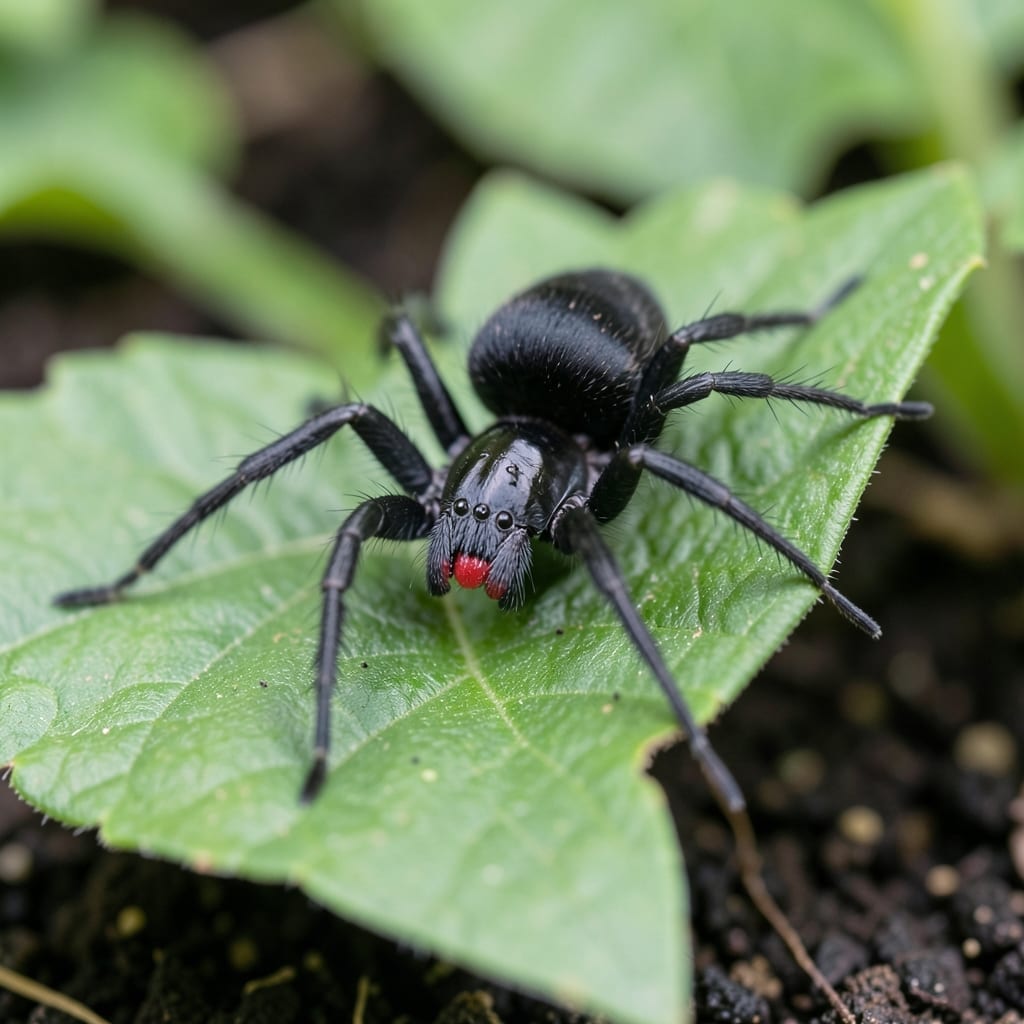
Black widows in the garden are nobody’s idea of good neighbors. I learned this the hard way after finding their signature webs under my potting bench last summer.
These spiders seek out undisturbed, protected spaces – sheds, woodpiles, dense vegetation. The good news is they’re shy and prefer to run rather than bite, but their venom packs a serious punch.
You’ll reclaim your space with a foolproof combination of habitat modification, physical removal, and natural deterrents. No harsh chemicals needed – just consistent, targeted action.
Works for any garden size, from small urban plots to rural acres. Here’s your battle plan.
Black widow spiders don’t just appear randomly—they’re drawn to specific conditions that make your home or yard an ideal habitat. Understanding these triggers helps you address the root of the problem. Here’s why they show up:
Black widows thrive in undisturbed, dark areas like garages, basements, woodpiles, and storage sheds. Their webs are built in low-traffic zones where they can catch prey (insects) without interference. Piles of firewood, leaf litter, or unused boxes provide perfect shelter from predators and harsh weather. Reducing clutter eliminates their preferred nesting sites.
These spiders feed on other insects, including flies, beetles, and even other spiders. If your property has a high insect population—due to poor sanitation, standing water, or outdoor lighting that attracts bugs—black widows will follow. Controlling pests like ants or cockroaches indirectly deters black widows from settling in.
Black widows prefer temperatures between 70–80°F and moderate humidity. They often seek refuge in cracks, crevices, or damp basements during extreme heat or cold. Poor ventilation in crawl spaces or attics can create the perfect microclimate for them to reproduce. Sealing entry points and improving airflow disrupts their comfort zone.
Even small gaps in windows, doors, or foundation cracks can invite black widows inside. They can squeeze through openings as tiny as 1/4 inch. Outdoor items like shoes, gardening tools, or children’s toys left outside also provide accidental transport indoors. Regularly inspect and seal potential entryways to block their access.
Black widow spiders can be intimidating, but with the right approach, you can safely remove them and prevent future infestations. Here’s a practical guide to tackling the problem effectively.
If you spot a black widow, use a vacuum to suck it up—this is one of the safest methods. Seal the vacuum bag immediately and dispose of it outdoors. Alternatively, crush the spider with a long object (like a broom) if you’re comfortable doing so, but wear gloves to avoid accidental bites.
Black widows love dark, undisturbed spaces. Eliminate hiding spots by cleaning garages, sheds, basements, and under furniture. Store items in sealed plastic containers rather than cardboard boxes. Regularly dust and vacuum corners, crevices, and behind appliances.
Use essential oils like peppermint, tea tree, or eucalyptus to deter spiders. Mix 10-15 drops with water in a spray bottle and apply to entry points, windowsills, and dark corners. Diatomaceous earth (food-grade) can also be sprinkled in problem areas—it’s non-toxic to humans but deadly to spiders.
Inspect your home for cracks, gaps, or holes in walls, doors, and windows. Seal them with caulk or weather stripping to block entry. Install door sweeps and ensure screens on windows and vents are intact.
💡 Pro tip: If the infestation persists, consider hiring a professional pest control service for targeted treatment.
No, they’re shy and only bite when threatened or accidentally pressed against skin. Most bites occur when reaching into dark, hidden areas.
Yes—peppermint or tea tree oil sprays deter them, but must be reapplied every 2-3 weeks. Combine with cleaning for best results.
Wear gloves and use a flashlight to inspect corners, under furniture, and stored items. Egg sacs look like small, white, cottony balls.
Vacuum it up immediately and seal the bag. Check nearby for others, as they often cluster in favorable spots.