
Beautiful Plants For Your Interior
Beautiful Plants For Your Interior
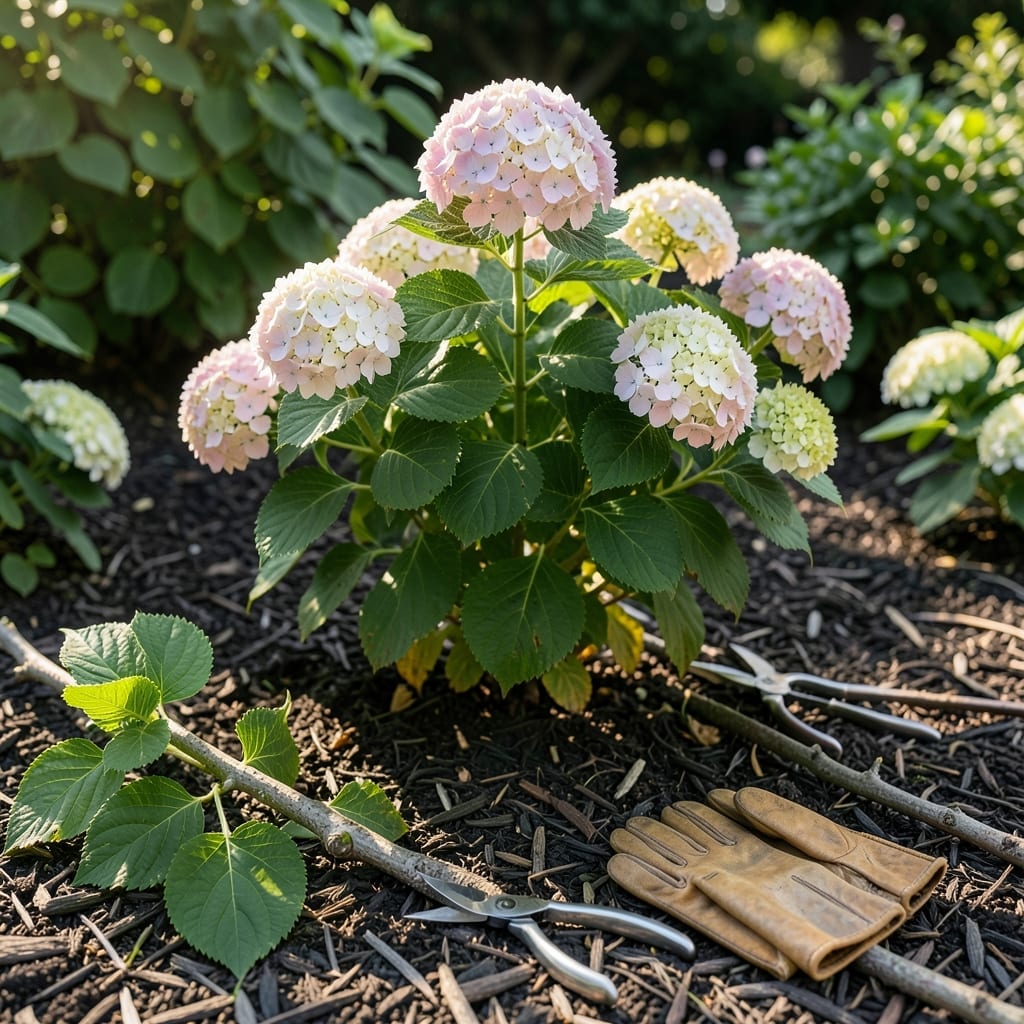
Trimming your 🌸 Hydrangea at the wrong time can cost you a season of blooms. I’ve seen gardeners make this mistake and regret it all summer long.
Timing is the key to maximizing those lush, colorful flowers. Whether you’re new to pruning or just need a refresher, getting this right makes all the difference.
Discover the exact schedule to keep your Hydrangea thriving year after year. Let’s make sure your shrub stays healthy and blooms abundantly.
I’ve learned that not all hydrangeas follow the same pruning schedule. The best time to trim depends entirely on the variety you’re growing. This is because different types produce blooms on either old wood or new wood. ✂️
Getting this right means the difference between a bloom-filled summer and a disappointing season. Let me break down the specific timing for each major hydrangea type so you can prune with confidence. 🌸
| Hydrangea Type | Blooms On | Best Pruning Time |
|---|---|---|
| Bigleaf | Old Wood | After Flowering |
| Oakleaf | Old Wood | After Flowering |
| Panicle | New Wood | Late Winter/Early Spring |
| Smooth | New Wood | Late Winter/Early Spring |
Bigleaf hydrangeas (the classic mophead and lacecap varieties) bloom on old wood. This means they form their flower buds in late summer for the next year’s blooms. If you prune in winter or early spring, you’ll cut off those precious buds.
For bigleaf, I always wait until right after flowering, typically in mid to late summer. This gives the plant time to develop new buds for next year before the growing season ends. 🌿
Oakleaf hydrangeas follow the same rule as bigleaf. They also bloom on old wood, so prune them immediately after their spring blooms fade. This timing ensures you won’t accidentally remove next year’s flowers.
Now, panicle hydrangeas (like the popular Limelight) and smooth hydrangeas (Annabelle types) are different. These bloom on new wood, meaning they form flower buds on the current year’s growth. This gives you more flexibility.
With these varieties, I prune in late winter or early spring, just as the new growth begins. This timing allows the plant to focus its energy on producing strong, healthy stems that will bloom later in the season.
If you’re unsure which type you have, look at the flower shape and leaf structure. Bigleaf have large, round flower heads and glossy leaves, while oakleaf have oak-shaped leaves. Panicle typically have cone-shaped flowers.
Remember, when in doubt, observe your plant. If it blooms in early summer, it’s likely an old wood bloomer. If it blooms later in summer, it’s probably a new wood variety. This simple observation can save you from making a costly pruning mistake. ✂️
Pruning hydrangeas doesn’t have to be intimidating. I’ve found that with the right approach and proper timing, you can encourage bigger, healthier blooms without risking your plant’s health. ✂️
The key is understanding where to make cuts and what to avoid. Whether you’re shaping your shrub or removing dead wood, these steps will help you prune like a pro. 🌿
1. Identify dead wood first—look for brown, brittle stems with no buds.
2. Use sharp bypass pruners for clean cuts that heal quickly.
3. For old wood bloomers, trim just above a leaf node or bud.
4. For new wood bloomers, cut back to 1/3 of the plant’s height.
5. Remove weak or crossing stems to improve air circulation.
6. Avoid pruning during active blooming to preserve flowers.
Always start by removing dead or diseased wood. This keeps your plant healthy and prevents the spread of issues. I use clean, sharp pruners to make smooth cuts at a 45-degree angle just above a bud. ✂️
For bigleaf and oakleaf hydrangeas, I focus on light shaping right after flowering. I only remove about 1/4 of the oldest stems at the base to encourage new growth. This gentle approach helps maintain blooms.
With panicle and smooth hydrangeas, I’m more aggressive. Since they bloom on new wood, I cut them back in late winter to about 12-18 inches from the ground. This promotes strong, vigorous growth for the coming season.
Remember, never remove more than 1/3 of the plant at once. Over-pruning can stress your hydrangea and reduce blooming. If you’re unsure, it’s better to prune less rather than more. 🌸