
Beautiful Plants For Your Interior
Beautiful Plants For Your Interior
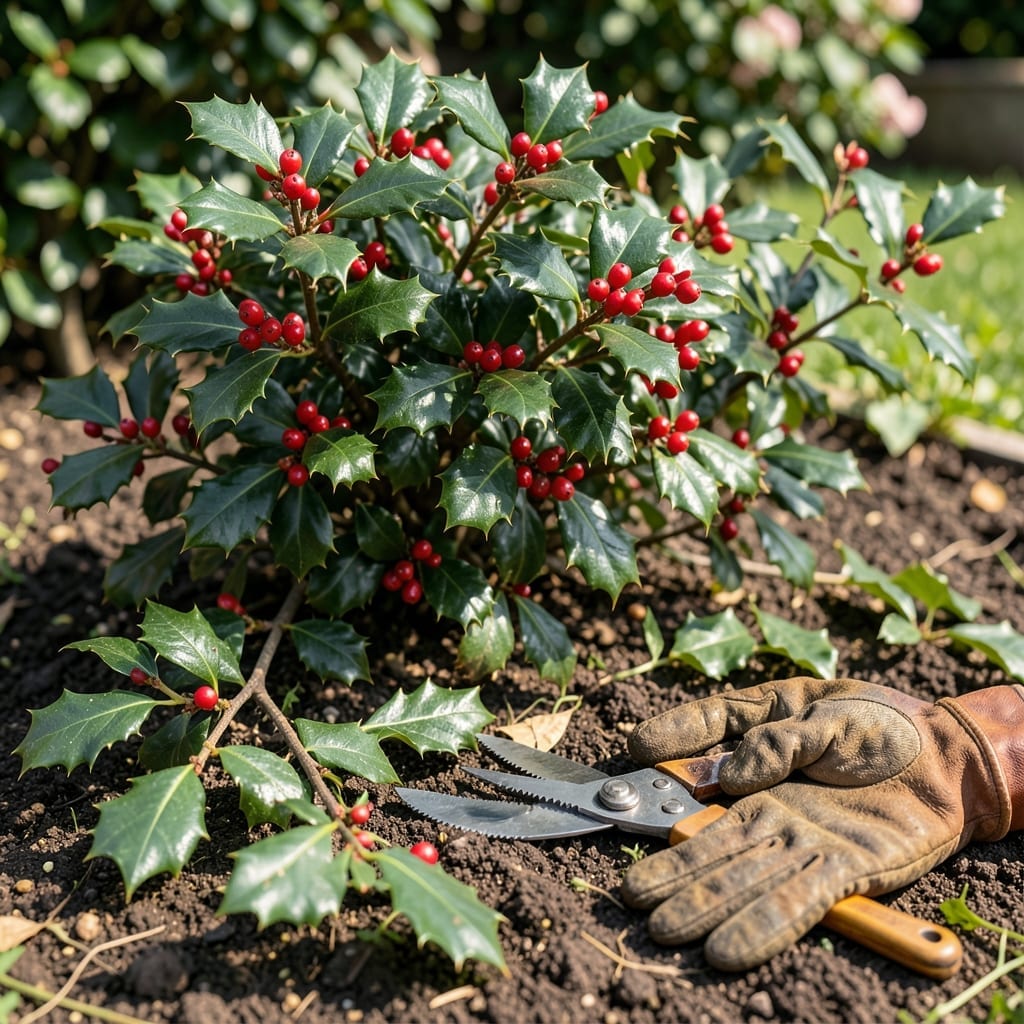
That moment you realize your 🌿 Holly Bush looks overgrown can be frustrating. Timing your trim wrong could cost you next season’s vibrant berries and lush growth.
I’ve learned the hard way that pruning at the right time makes all the difference. Whether you’re shaping for aesthetics or encouraging healthy development, the window matters more than you think.
Discover when to pull out those shears for best results—your holly will thank you with vigorous growth and that classic, tidy appearance we all love.
Timing your holly bush trim is everything when it comes to vibrant growth and abundant berries. I’ve seen firsthand how pruning at the wrong time can leave you with a sparse, lackluster plant. The key is working with the plant’s natural growth cycle, not against it.
Late winter to early spring is the golden window for trimming most holly varieties. This timing allows the plant to recover before the growing season kicks in, ensuring you don’t sacrifice next year’s blooms or berries.
| Stage | Best Time | Why It Matters |
|---|---|---|
| Light Pruning | Late Winter | Removes dead wood before growth starts |
| Heavy Pruning | Early Spring | Shapes plant before new shoots emerge |
| Minor Touch-ups | Late Summer | Corrects uneven growth post-flowering |
If you’re in a warmer climate, you might push your pruning into early fall, but avoid late fall trims. New growth stimulated by pruning needs time to harden off before frost hits, or you risk winter damage.
For berry-producing hollies, timing is even more critical. These plants set their buds in summer for the next year’s berries. Prune too late, and you’ll be cutting off potential fruit before it even forms.
I always check for new growth before pulling out the shears. If you see fresh, green shoots emerging, it’s a sign your holly is actively growing and can handle a trim. Just don’t wait until the plant is in full leaf.
Dwarf holly varieties can often handle a second light pruning in mid-summer to maintain their shape. But for standard holly bushes, stick to that late winter or early spring window for the best results.
Regional differences play a role too. In colder zones like USDA Zone 5, aim for March before buds swell. In milder zones like Zone 8, you might prune as late as April and still be safe.
Remember, holly bushes are tough, but they’re not invincible. A well-timed trim keeps them healthy, encourages dense growth, and ensures you get that classic holly look with glossy leaves and bright berries year after year.
If you’re unsure, observe your plant for a season first. Note when it flushes new growth and when it sets buds. This simple step can help you pinpoint the perfect pruning time for your specific holly variety.☀️
Pruning holly bushes at the wrong time can lead to stunted growth or fewer berries. I’ve seen gardeners accidentally remove next year’s blooms by trimming in late summer or early fall. The plant sets its buds during this period.
New growth from fall pruning is especially vulnerable to frost damage. This tender growth won’t have time to harden off before cold weather arrives, risking winter dieback. It’s a common mistake that can set your holly back significantly.
⚠️ Warning: Avoid pruning after mid-summer to protect next year’s berries and prevent frost damage to new growth.
However, some situations call for pruning regardless of season. If your holly has dead or diseased branches, remove them immediately to prevent further damage. The same goes for safety hazards like branches rubbing against structures.
Look for these signs that your holly needs attention: overgrown shape, crossing branches, or sparse foliage in the center. Even in less-than-ideal seasons, a light trim to address these issues is better than neglect.
Remember that evergreen hollies like Nellie Stevens can tolerate a light trim in summer if needed, but avoid heavy pruning then. For deciduous hollies, stick strictly to the late winter window to avoid disrupting their growth cycle.
If you’ve already pruned at the wrong time, don’t panic. Holly bushes are resilient. Just avoid fertilizing after late-summer pruning, as this can stimulate even more tender growth that won’t survive winter.✂️