
Beautiful Plants For Your Interior
Beautiful Plants For Your Interior
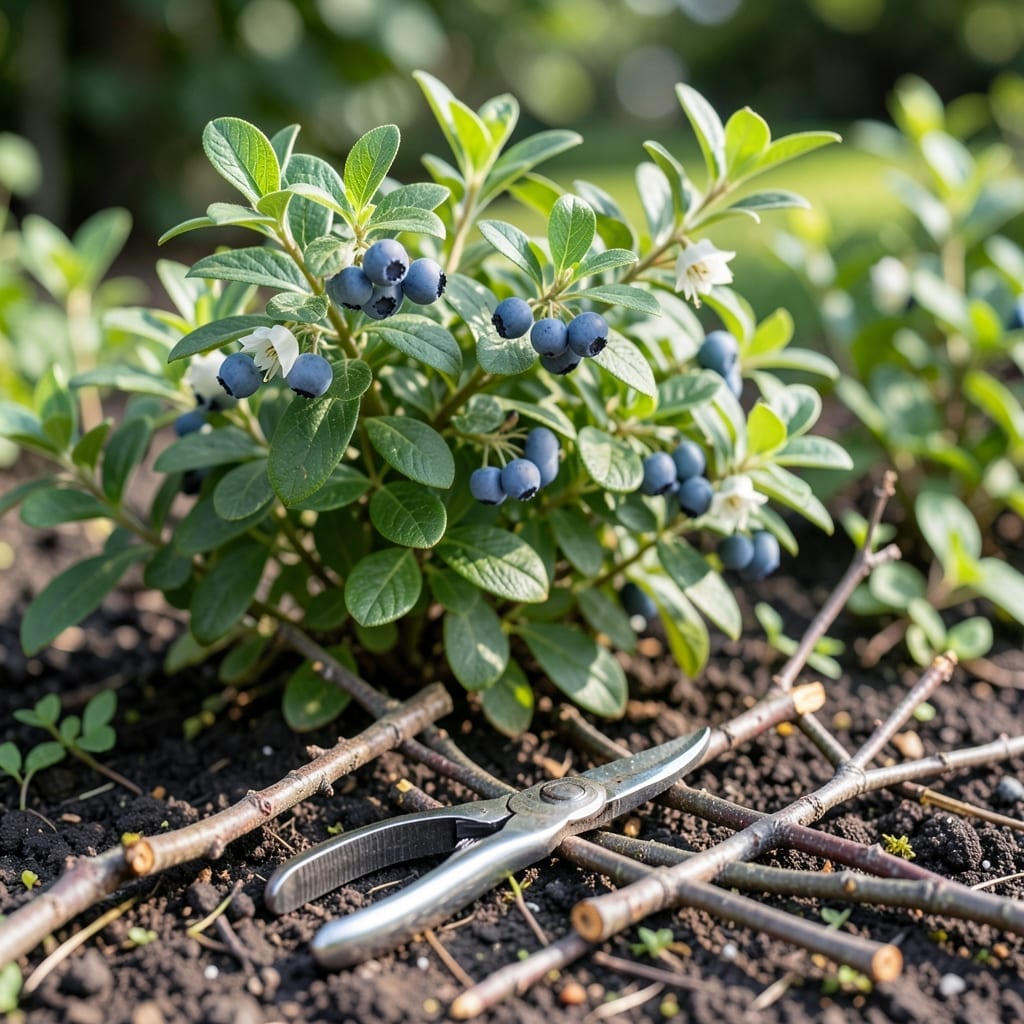
Timing your Blueberry Bush trimming perfectly can mean the difference between a mediocre harvest and a bumper crop of sweet, juicy berries. This seasonal guide reveals when and how to prune for maximum yield and plant health.
I’ve seen gardeners struggle with 🫐 bushes that just won’t produce, and the issue often comes down to one simple thing: timing. When you prune at the right moment, you set your plants up for success.
Discover the ideal window to trim your bushes and watch your harvest transform. Let me show you how to get it right every time.
I always tell gardeners that late winter to early spring is the sweet spot for trimming blueberry bushes. This timing helps stimulate new growth just as the plant wakes from dormancy.
For most regions, this means grabbing your pruning shears between January and March. The exact window depends on your climate and blueberry variety, whether it’s highbush, lowbush, or rabbiteye. ✂️
| Variety | Best Pruning Window | Climate Consideration |
|---|---|---|
| Highbush | Late February to early March | Before buds swell |
| Lowbush | March to early April | After frost danger passes |
| Rabbiteye | January to February | Milder southern climates |
In colder zones like USDA Zone 5 or 6, I wait until the worst frost has passed. Pruning too early can expose fresh cuts to freezing temperatures, which may damage the plant.
For warmer climates like Zone 8 or 9, you can start pruning as early as December. The key is to finish before new leaves begin to emerge, as this is when the plant directs energy toward growth.
I’ve noticed that rabbiteye blueberries often need pruning earlier than other types because they bloom later. This gives them more time to recover and produce strong canes for the next season’s fruit.
If you’re unsure about your local climate, check the last frost date for your area. I aim to prune 4-6 weeks before this date to allow the bush to heal before active growth begins.
Acidic soil lovers like blueberries also benefit from this timing. Pruning in late winter allows me to assess the plant’s health and apply acidifying amendments if needed before spring growth.
The biological reason behind this timing is simple: pruning stimulates the plant to produce new fruiting wood. Blueberries bear fruit on 1-year-old canes, so timing your cuts right encourages the growth of these productive branches.
Remember, never prune in fall. This can encourage new growth that won’t have time to harden off before winter, making it vulnerable to cold damage. 🌿
I always start my blueberry bush pruning with the right tools: sharp bypass pruners and loppers for thicker branches. Clean tools prevent disease and ensure smooth cuts that heal quickly.
First, I remove any dead or diseased wood, cutting back to healthy tissue. Then I focus on weak or crossing branches that might crowd the center of the bush. Open airflow is key for preventing fungal issues. ✂️
I never remove more than 25-30% of the bush in one year. Over-pruning can stress the plant and reduce your berry yield. Focus on the oldest canes first, as these produce less fruit.
For mature bushes, I aim to have 6-8 strong canes of varying ages. This mix ensures continuous fruit production. Younger plants need less aggressive pruning—just shape them lightly.
After pruning, I apply a balanced fertilizer for acid-loving plants. This gives the bush a nutrient boost just as it starts its spring growth phase. Always water deeply after fertilizing.
Finally, I mulch around the base with pine bark or wood chips to retain moisture and suppress weeds. This simple step makes a big difference in your bush’s recovery and future growth.
Remember, the goal is to create a strong framework that will support abundant fruit production for years to come. 🌿