
Beautiful Plants For Your Interior
Beautiful Plants For Your Interior
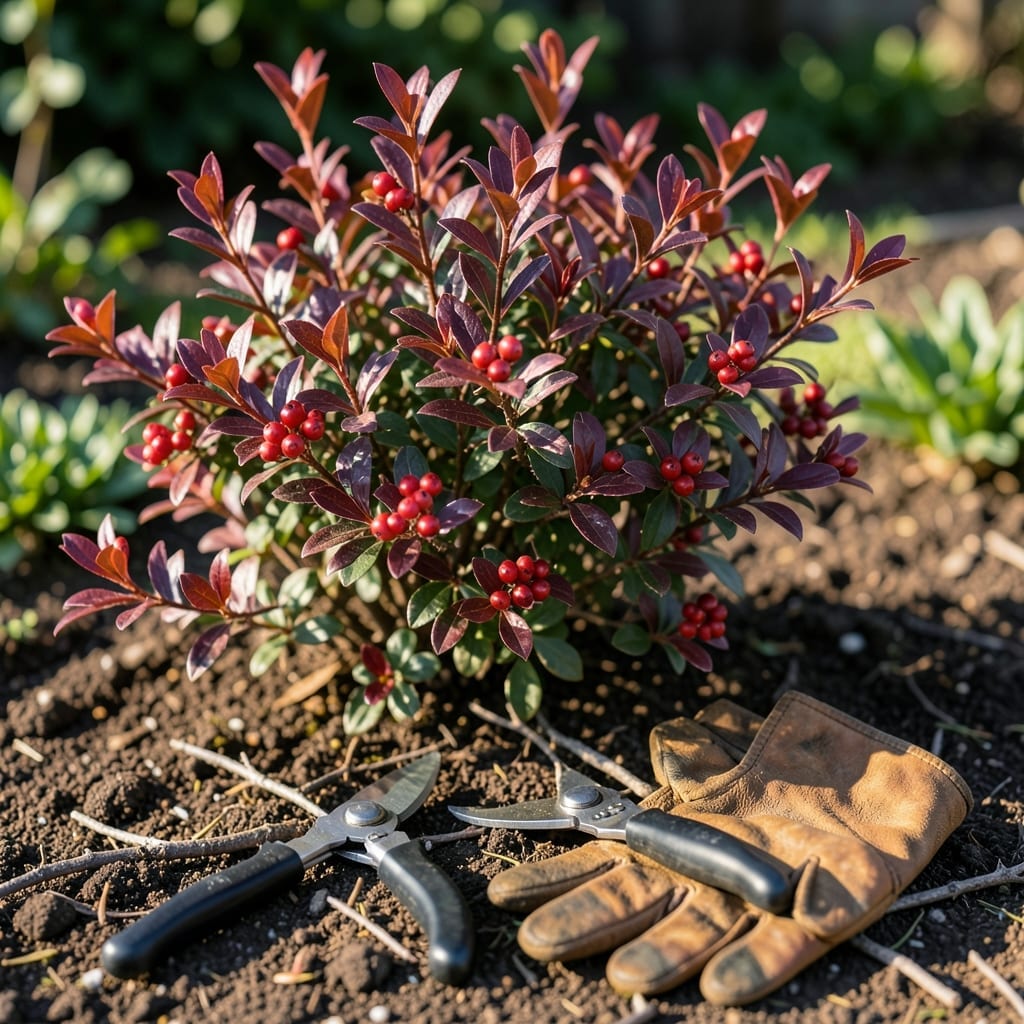
I’ve learned the hard way that timing is everything when it comes to trimming your 🌿 Barberry Bush. Do it right, and you’ll be rewarded with lush, vibrant growth. Get it wrong, and you might stunt its beauty for the season.
Whether you’re in zones 4-8 or just starting out, knowing when to prune makes all the difference. It’s not just about aesthetics—it’s about giving your bushes the best chance to thrive.
Let me walk you through the ideal windows and techniques that’ll have your Barberry Bushes looking their absolute best. You’ll be surprised how simple it can be.
I’ve found that the best time to trim barberry bushes is in late winter to early spring, just before new growth starts. This timing helps the plant focus its energy on producing strong, healthy branches.
Pruning at this stage also minimizes stress and reduces the risk of disease. For most regions, March or early April is ideal, but adjustments may be needed based on your local climate.
| Season | Timing | Purpose |
|---|---|---|
| Late Winter | February to March | Remove dead or damaged branches |
| Early Spring | March to April | Shape the bush before new growth |
| Fall | September to October | Light trimming to maintain shape |
In warmer climates, you can also do a light trim in early fall to keep the bush tidy. However, avoid heavy pruning in late fall, as it may encourage new growth that won’t survive winter.
I always check for frost dates in my area. If you prune too close to a frost, the new growth can be damaged. For most gardeners, sticking to late winter or early spring is the safest bet.
Another key factor is the plant’s flowering cycle. Barberry bushes typically flower in spring, so trimming right after they bloom ensures you don’t cut off potential flowers.
If you’re in USDA zones 4-8, you’re in luck—these are the ideal zones for barberry bushes. In these areas, March and April are almost always the best months to prune.
For those in colder regions, wait until the last frost has passed. This might push your pruning time into late April or early May, but it’s worth the wait to protect your plant.
It’s also important to consider the type of barberry bush you have. Some varieties, like Japanese Barberry, respond well to pruning, while others may need a lighter touch.
Finally, always use clean, sharp tools to make clean cuts. This helps the plant heal faster and reduces the risk of disease. I like to sterilize my pruners with rubbing alcohol before and after each use.
By following these guidelines, you’ll keep your barberry bushes looking their best year-round ✂️
I always start my barberry pruning with the right tools in hand. Sharp bypass pruners and loppers are essential for clean cuts that help the plant heal properly.
Begin by removing any dead, diseased, or crossing branches first. This opens up the center of the bush for better air circulation and sunlight penetration.
When shaping, I recommend cutting back no more than one-third of the plant at a time. This prevents shocking the bush while still achieving a neat appearance.
For formal hedges, use hedge shears to create clean lines.
I find that cutting just above a leaf node or bud encourages healthy new growth. Always angle your cuts away from the center to prevent water from pooling on the wound.
After pruning, I apply a light layer of mulch around the base to help retain moisture and protect the roots while the plant recovers.
With these techniques, your barberry bushes will maintain their shape and vibrancy all season long ✂️