
Beautiful Plants For Your Interior
Beautiful Plants For Your Interior
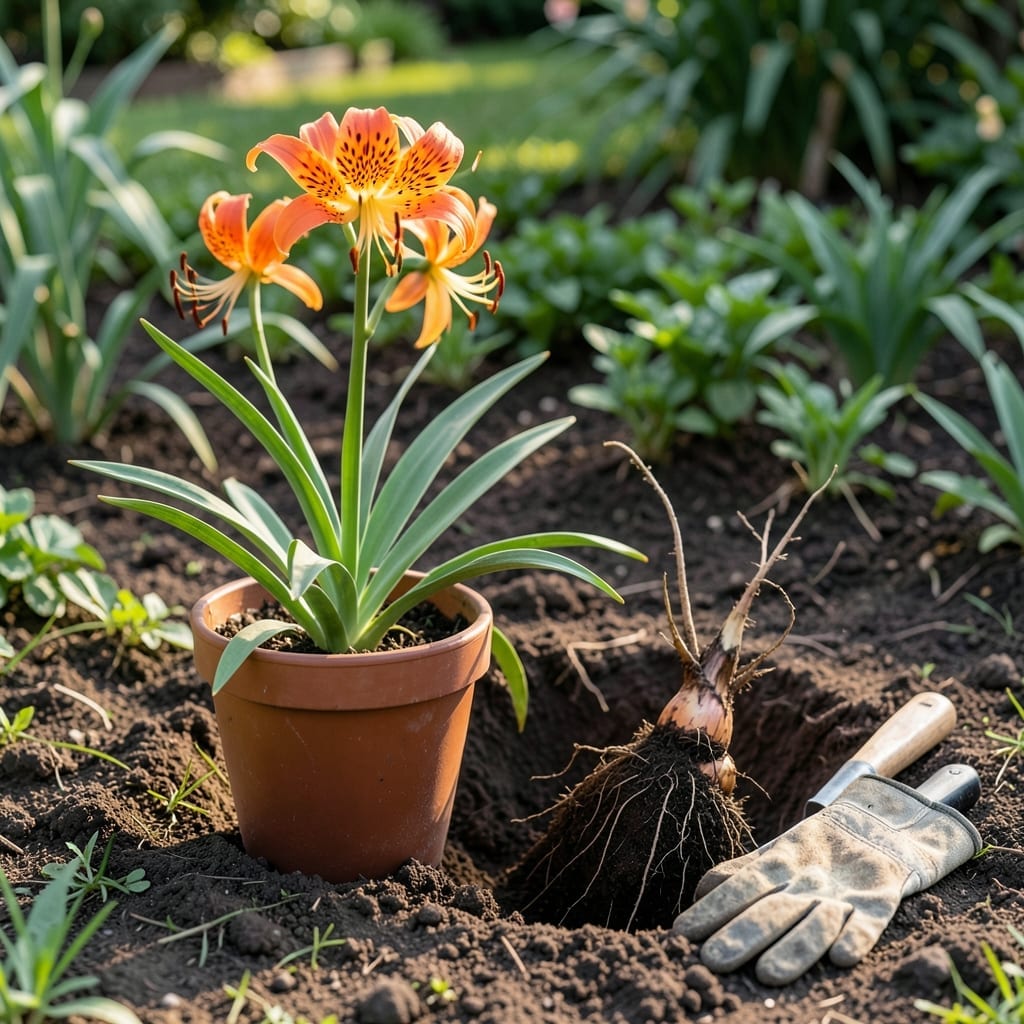
Transplanting tiger lilies at the wrong time can stunt their growth or even kill them. Timing is everything when you want to give these hardy perennials their best start in a new location.
I’ve learned the hard way that moving 🌷 Tiger Lily bulbs during active growth spells trouble. The key is working with their natural dormancy cycles, not against them.
Discover the seasonal sweet spots that ensure your lilies thrive. Whether you’re in zone 3-9, I’ll show you exactly when to make the move for healthy results.


Timing your tiger lily transplant correctly makes all the difference. These perennials thrive when moved during their dormant periods, typically in early spring or early fall. This minimizes stress on the plants.
I always aim for March-April or September-October, depending on my USDA zone. The key is avoiding active growth phases when the plant is focusing energy on blooming or foliage production. 🌷
| Season | Best Months | Zone Adjustments |
|---|---|---|
| Early Spring | March-April | Before new growth starts |
| Early Fall | September-October | After blooming ends |
| Avoid | Summer/Winter | Active growth or frozen ground |
In warmer climates like zone 8-9, you might push fall transplanting into early November. But in colder zones like 3-4, September is your cutoff to ensure roots establish before frost.
The soil temperature should be above 40°F for best results. I use a simple soil thermometer to check. This ensures the bulbs won’t sit in cold, waterlogged soil that could cause rot.
For spring transplanting, wait until the last frost has passed. In most areas, this aligns perfectly with the early spring window. The bulbs will wake from dormancy just as you’re moving them.
Fall transplanting has its advantages too. The cooler temperatures reduce stress, and autumn rains often provide natural irrigation. Just be sure to finish at least 4-6 weeks before your first hard frost.
If you miss these windows, container planting can be a workaround. I’ve successfully moved potted tiger lilies in summer by keeping them in shade and watering deeply for several weeks post-transplant.
Remember that newly transplanted lilies may not bloom the first year. This is normal as they focus on establishing roots. By the second season, you’ll be rewarded with those iconic orange speckled blooms. 🌿
For the best results, pair your timing with proper technique. I’ll cover the step-by-step process in the next section, but the foundation is always choosing the right seasonal window for your climate.
I’ve found that proper preparation is half the battle when transplanting tiger lilies. Start by watering the plants 2-3 days before moving them to reduce shock and make digging easier.
Use a sharp spade to dig a wide circle around the clump, about 6-8 inches from the stems. This ensures you capture the entire root system without damaging it. 🌱
Once lifted, gently shake off excess soil to expose the bulbs. If the clump is large, this is your chance to divide the bulbs for propagation. I aim for groups of 3-5 bulbs per new planting hole.
Dig the new hole twice as wide as the root ball but no deeper. Planting too deep can delay blooming. Place the bulbs 2-3 inches apart and cover with soil, pressing lightly to remove air pockets.
After transplanting, water thoroughly to settle the soil. I add a 2-inch mulch layer to retain moisture and insulate roots. This helps establish the plants before winter or summer stress. ☀️
Avoid fertilizing immediately after transplanting. Wait 4-6 weeks to let roots recover. Overwatering is another common mistake—stick to 1-2 inches of water per week unless rainfall provides it.
With proper care, your tiger lilies will establish quickly and reward you with stunning blooms next season. 🌷