
Beautiful Plants For Your Interior
Beautiful Plants For Your Interior
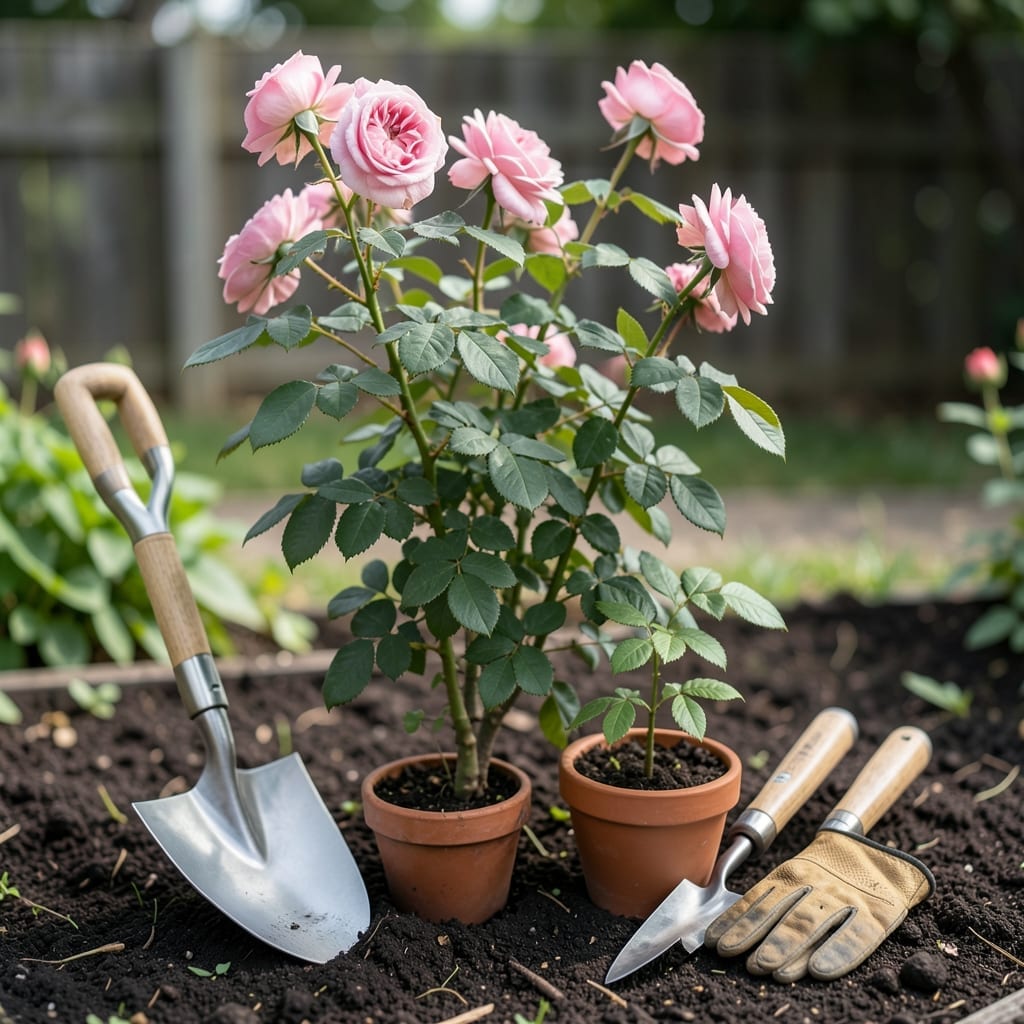
Transplanting roses at the right time can mean the difference between struggling plants and a garden bursting with vibrant blooms. Timing is everything when it comes to giving your 🌹 Rose the best start in their new home.
I’ve learned through experience that choosing the ideal season minimizes stress on the plant. Whether you’re in USDA Zone 6 or elsewhere, the right timing ensures your roses thrive rather than just survive.
Discover how to identify the perfect window for moving your roses and why it matters so much for their long-term health and beauty.


Choosing the best time to transplant roses ensures they establish strong roots with minimal stress. I always aim for early spring or early fall when temperatures are mild and the soil is workable. This timing allows roses to focus on root growth before extreme heat or cold sets in.
In USDA Zone 6, the sweet spot is March-April or September-October. These months avoid the stress of summer heat or winter dormancy. I’ve found roses transplant most successfully when daytime temps stay between 50-70°F. 🌹
| Season | Ideal Months | Temperature Range |
|---|---|---|
| Early Spring | March-April | 50-70°F |
| Early Fall | September-October | 50-70°F |
| Avoid | June-August | Above 85°F |
I always recommend transplanting on a cloudy day or in the late afternoon to reduce moisture loss. This simple step can significantly lower transplant shock. The soil should be moist but not soggy when you begin the process.
For bare-root roses, early spring is ideal, just as the ground thaws. Container-grown roses have more flexibility but still do best in cooler months. I’ve had great success with fall transplanting, as the cooler temps help roses establish before winter dormancy.
Avoid transplanting during summer heatwaves or freezing conditions. The stress of extreme temperatures can overwhelm even the hardiest roses. I learned this lesson the hard way after losing a prized hybrid tea to a heatwave transplant.
If you’re in a region with mild winters, you might extend the fall window into November. However, ensure the rose has at least 6 weeks before the first frost to establish roots. In colder climates, stick to September at the latest.
I also pay close attention to the soil temperature. Roses prefer soil temps above 40°F for active root growth. A simple soil thermometer can be a gardener’s best friend for timing transplants perfectly.
Remember that newly transplanted roses need consistent moisture. I water deeply right after transplanting and then maintain even moisture for the first few weeks. This helps prevent shock and encourages root establishment.
Finally, consider your rose’s current health. If it’s showing signs of stress like yellowing leaves or stunted growth, it’s better to wait. Transplanting is always most successful with healthy, vigorous plants.
With the right timing and care, your roses will reward you with vibrant blooms for years to come. ✂️
Moving a rose bush doesn’t have to be stressful for you or the plant. I’ve perfected a simple method that ensures minimal shock and maximum success. The key is preparation and gentle handling at every step.
Start by preparing the new hole before digging up your rose. This ensures the plant spends minimal time out of the ground. I make the hole twice as wide as the root ball but just as deep.
I always use a sharp spade to cut a clean circle around the rose. For established bushes, this circle should be 12-18 inches from the base. Smaller roses can be dug with a 6-12 inch radius.
The root ball is the most vulnerable part during transplanting. I wrap mine in burlap or place it on a tarp to keep the soil intact. Never let the roots dry out – even 10 minutes of exposure can cause damage. 🌿
Once in the new hole, I backfill with native soil mixed with compost for nutrients. Firm the soil gently but don’t compact it too tightly. Roses need room for their roots to breathe and expand.
Post-transplant care is crucial for the first 4-6 weeks. I water deeply 2-3 times per week, more if the weather is hot. Avoid fertilizing immediately – wait until you see new growth appearing.
With this method, I’ve successfully transplanted even mature rose bushes with minimal stress. The key is patience and attention to detail at every step. ✂️