
Beautiful Plants For Your Interior
Beautiful Plants For Your Interior
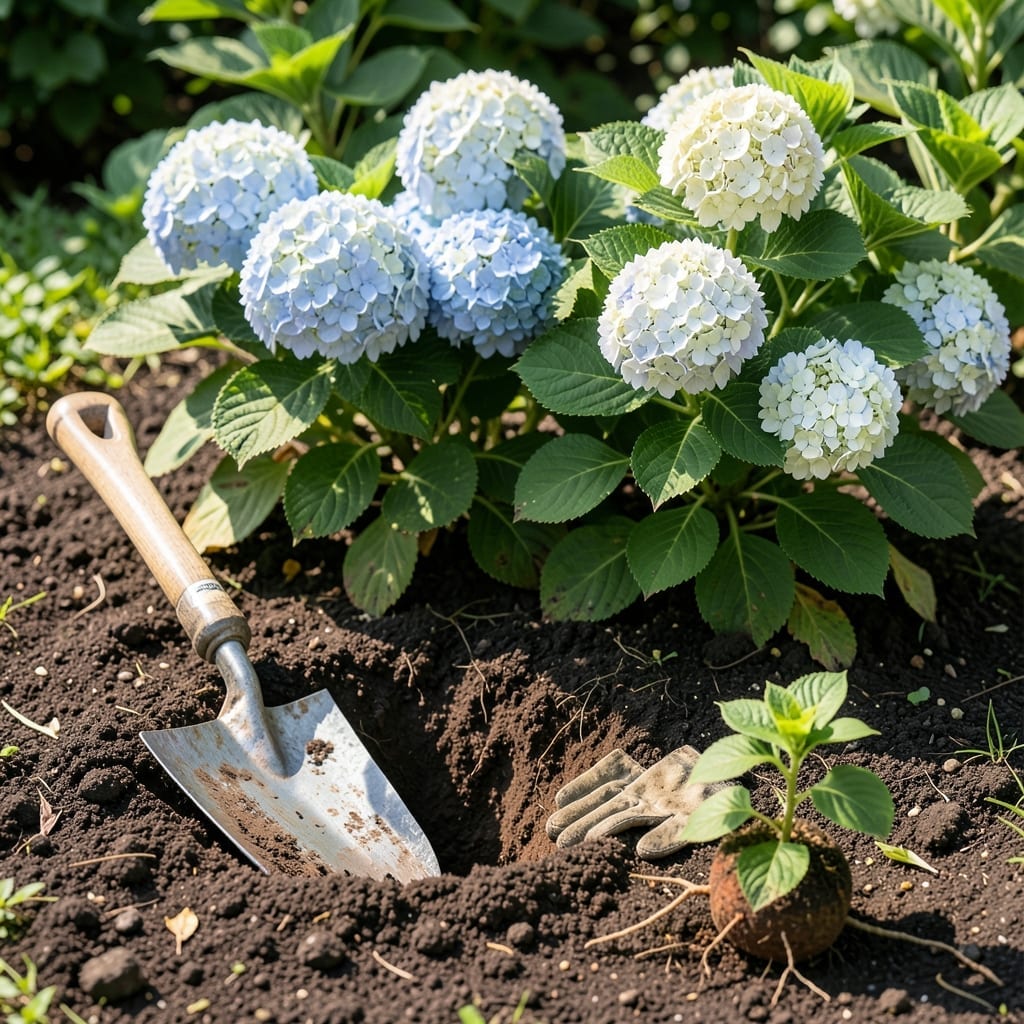
Moving your 🌸 Hydrangea at the wrong time can leave it struggling for seasons. I’ve seen too many gardeners make this mistake, only to watch their beloved shrubs wilt under stress.
The good news? There’s a perfect window when your Hydrangea will barely notice the change. Timing it right means stronger roots and more vibrant blooms next season.
Let me show you exactly when to make the move and how to do it with minimal shock. Your garden will thank you.


Timing is everything when moving hydrangeas. I’ve learned that early spring or early fall are the sweet spots for this task. These periods allow the plant to establish roots before summer heat or winter cold.
In spring, aim for just as the soil warms but before new growth appears. Fall works well too, ideally 4-6 weeks before the first frost. This gives roots time to settle in.
| Season | Months | Key Benefit |
| Early Spring | March-April | Cool temps reduce stress |
| Early Fall | September-October | Roots establish before winter |
I always recommend checking your USDA zone too. In warmer climates (zones 7-9), you might push fall transplanting into November. Cooler zones (3-5) should stick to September to be safe.
The soil temperature should be above 50°F for best results. Use a soil thermometer if you’re unsure. This encourages root growth without shocking the plant.
Avoid transplanting during summer heat or active blooming. The stress can cause wilted leaves or even plant death. I’ve seen this happen too many times to ignore.
Another tip: Cloudy days are ideal for the move. The reduced sunlight helps minimize stress. If you must transplant on a sunny day, do it in the early morning or late afternoon.
Don’t forget to water deeply 24 hours before transplanting. This ensures the root ball stays intact when you dig. It’s a simple step that makes a huge difference.
After transplanting, keep the soil consistently moist for the first 2-3 weeks. This is critical for root establishment. I use a mulch layer to help retain moisture.
Watch for signs of transplant shock like drooping leaves or slow growth. If you see these, increase watering slightly and provide temporary shade until the plant recovers.
🌿Transplanting hydrangeas successfully starts with proper preparation. I always begin by selecting the new location carefully, ensuring it has similar light conditions and soil type to the original spot.
First, water deeply the hydrangea 24 hours before transplanting. This helps maintain a solid root ball during the move. I use a shovel to dig a wide trench around the plant, keeping as many roots intact as possible.
When digging, I aim for a root ball about 12-18 inches in diameter for mature plants. For smaller hydrangeas, 8-12 inches usually suffices. The key is to minimize root damage during this process.
Once the plant is out, I quickly move it to the new hole. Delaying can dry out the roots. Position the hydrangea at the same depth it was originally planted. Too deep can cause stem rot, while too shallow may expose roots.
After planting, I tamp the soil gently to remove air pockets. Then I create a water ring around the base to help direct water to the roots. A 2-3 inch mulch layer helps retain moisture and reduce stress.
For the first 2 weeks, I water daily if there’s no rain. After that, I gradually reduce to every 2-3 days. Watch for drooping leaves as a sign of stress, and provide temporary shade if needed.
🌿