
Beautiful Plants For Your Interior
Beautiful Plants For Your Interior
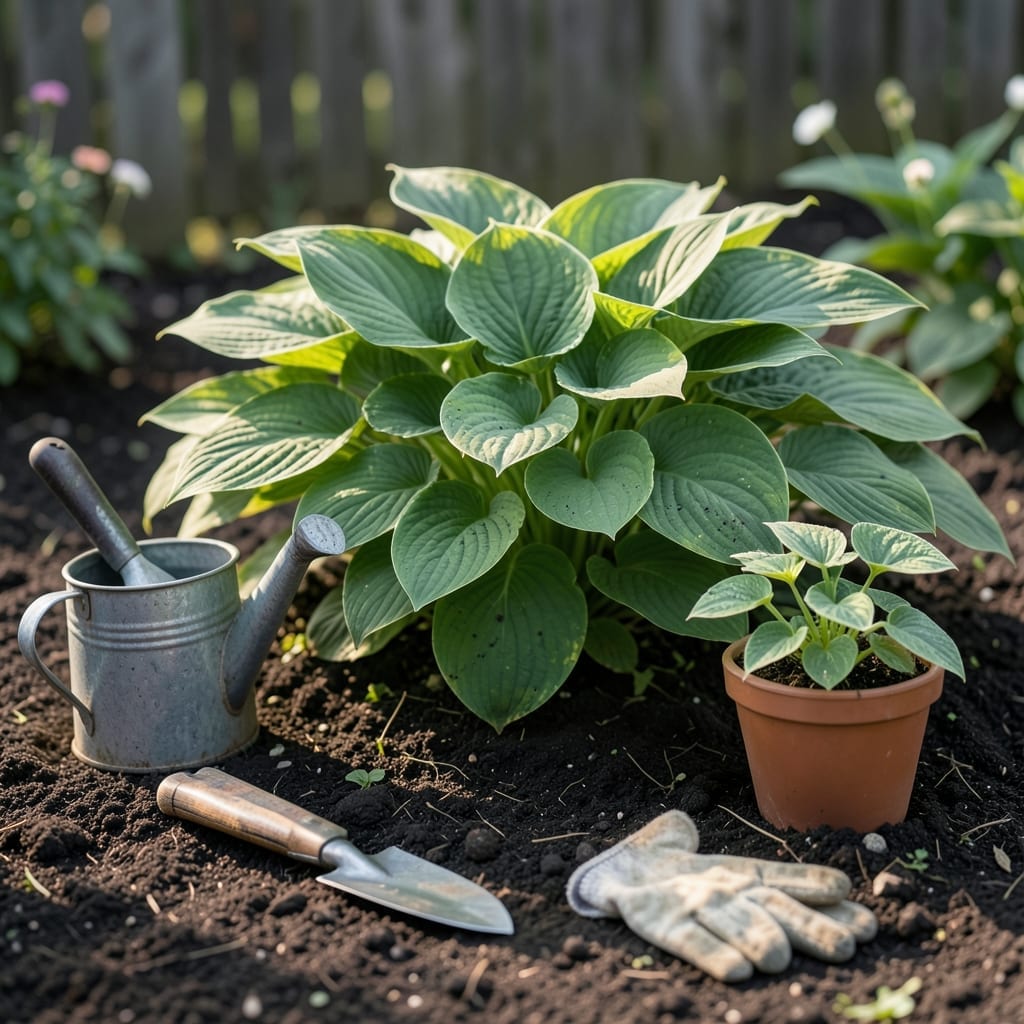
Transplanting your 🌿 Hosta at the right time can make all the difference between thriving growth and a struggling plant. I’ve seen too many gardeners get the timing wrong, only to watch their hostas wilt under stress.
Whether you’re in zone 3-9 or just starting out, knowing when to move these shade-lovers is the key. The good news? There are two perfect windows each year.
Discover how to time your transplant for stronger roots and healthier foliage. Let’s make your hostas the envy of the neighborhood.


Timing is everything when moving hosta plants. I’ve learned the hard way that early spring and early fall offer the best windows for successful transplantation.
These periods provide cool temperatures and moderate moisture, reducing stress on the plants as they establish new roots 🌱
| Season | Months | Conditions |
|---|---|---|
| Early Spring | March-April | Soil workable, new growth emerging |
| Early Fall | September-October | Cool temps, adequate moisture |
| Avoid | June-August | Summer heat stresses plants |
In USDA zones 3-9, these timing windows work beautifully. The soil temperature should be above 40°F for root growth to begin actively.
I always check that the new growth is just emerging in spring or that the summer heat hasn’t arrived yet in fall. This ensures minimal transplant shock.
Early spring offers the advantage of the entire growing season ahead. Your hostas will have plenty of time to establish before winter comes.
Early fall works well because the cool weather reduces stress while still giving roots 4-6 weeks to settle before frost.
For southern climates, you might start earlier in spring. In northern areas, wait until the soil thaws completely. Always adjust for your local last frost date.
Remember that container-grown hostas can be transplanted anytime during the growing season, as long as you provide extra care and watering.
Watch for signs of stress like wilting or yellowing leaves. These indicate your timing might be off or aftercare needs improvement 🌿
Moving hosta plants doesn’t have to be stressful. I’ve developed a simple method that minimizes shock and helps them thrive in their new home.
Start by preparing the new site first. Dig a hole twice as wide as the root ball and just as deep. This gives roots room to spread out easily 🌱
I always water the hosta thoroughly the day before moving it. This ensures the root ball stays intact during the process.
When digging, use a sharp spade and work in a wide circle around the plant. Aim for a 12-inch diameter root ball for mature hostas.
After transplanting, water deeply to settle the soil and eliminate air pockets. This is critical for good root-to-soil contact.
For the first week, check moisture daily. Hostas need consistent watering to recover, but avoid soggy soil which can rot roots.
I’ve found that morning watering works best. It gives plants time to absorb moisture before the heat of the day ☀️