
Beautiful Plants For Your Interior
Beautiful Plants For Your Interior
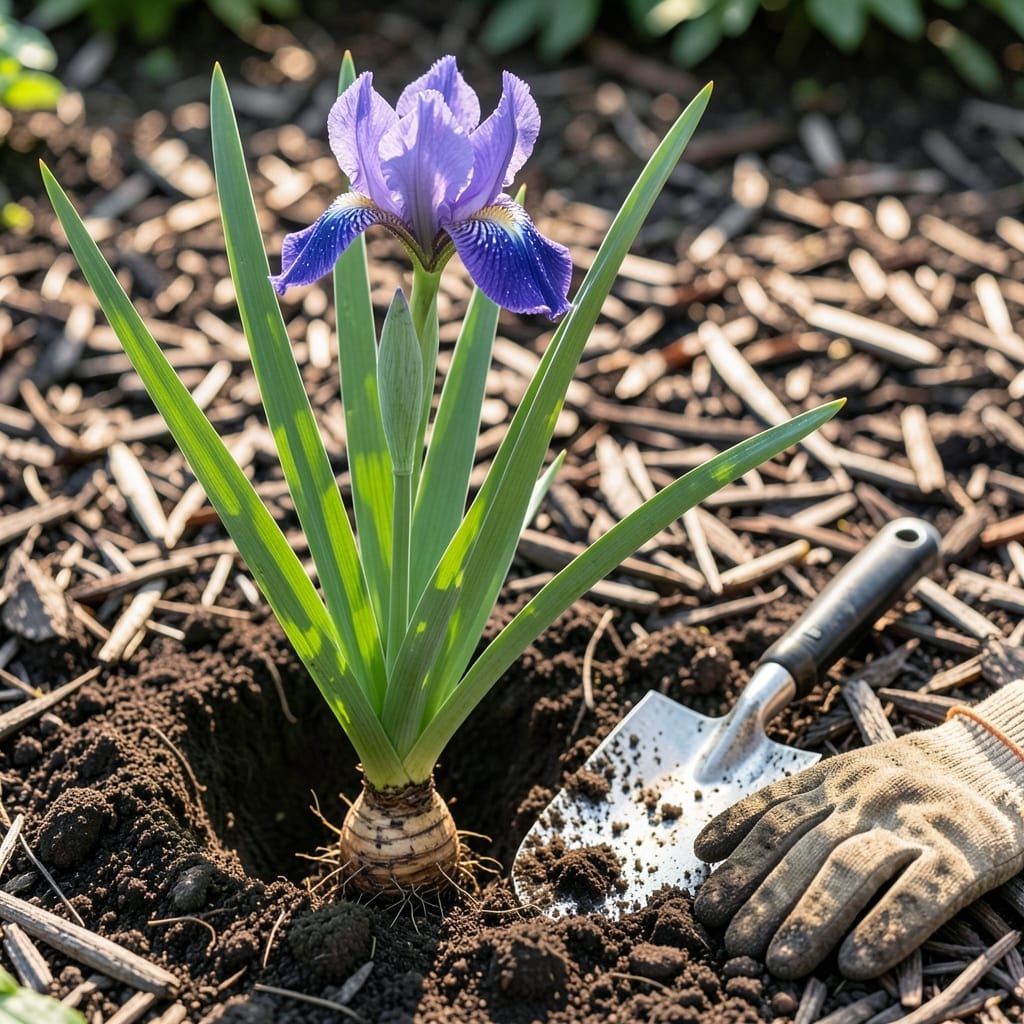
Replanting your 🌸 Iris at the right time makes all the difference between lackluster blooms and a stunning display next year. Many gardeners unknowingly stress their plants by choosing the wrong season.
I learned the hard way that timing is everything with these beauties. The key window comes when your irises show specific signs they’re ready for a change.
Discover when to make your move and how to prepare for stronger, more vibrant flowers that will make your garden the envy of the neighborhood.
Timing is everything when it comes to replanting irises. The ideal window falls in late summer to early fall, typically 6-8 weeks after flowering. This gives plants time to establish roots before winter.
I always watch for yellowing foliage as a clear sign my irises are ready. In most climates, July through September offers perfect conditions for this task. The soil stays warm while air temps begin cooling.
| Stage | Timing | Notes |
|---|---|---|
| Blooming | Spring | Wait until flowers fade |
| Foliage Yellows | July-August | Prime replanting time |
| Root Growth | September | Establish before frost |
In warmer zones (USDA 8-10), you can stretch this window into early October. But in colder areas, aim to finish by mid-September to avoid frost damage to new transplants.
The 6-week rule after blooming is my golden standard. This timing allows rhizomes to store energy for next year’s display while giving roots time to settle in their new home.
Watch for crowded clumps as another sign. When irises stop blooming well or centers die out, it’s nature’s way of saying “time to divide”. I check mine annually for this.
Soil temperature matters too. Aim for 60-70°F soil which encourages root growth. A soil thermometer helps remove the guesswork from this critical factor.
Morning planting reduces stress on your irises. I always choose overcast days when possible, as this prevents transplant shock from harsh afternoon sun.
Remember that bearded irises and Siberian irises have slightly different needs. Bearded types prefer the late summer window, while Siberians can handle early fall dividing.
Finally, mark your calendar for next year’s check. Irises typically need dividing every 3-4 years to maintain vigor. I keep a garden journal to track my replanting schedule.
This timing ensures your irises will reward you with bigger, brighter blooms next season 🌸
Transplanting irises requires care to protect their shallow root system. I always start by preparing the new site first, ensuring it has well-draining soil and full sun exposure.
Use a garden fork to gently lift the rhizomes from the soil, taking care not to pierce them. Shake off excess dirt so you can inspect for pests or disease before replanting.
I trim the foliage to 6 inches before replanting to reduce water loss and help the plant focus energy on root establishment. This step is crucial for transplant success.
When planting, partially expose the rhizome above soil level. This prevents rot and ensures proper growth. I use my hands to firm the soil gently around each new planting.
Water thoroughly after transplanting, but then hold off on watering for a week unless the weather is very dry. This encourages deep root growth rather than surface roots.
Finally, I mulch lightly with straw or shredded leaves to conserve moisture and protect from temperature swings. This simple step makes a noticeable difference in plant recovery 🌸