
Beautiful Plants For Your Interior
Beautiful Plants For Your Interior
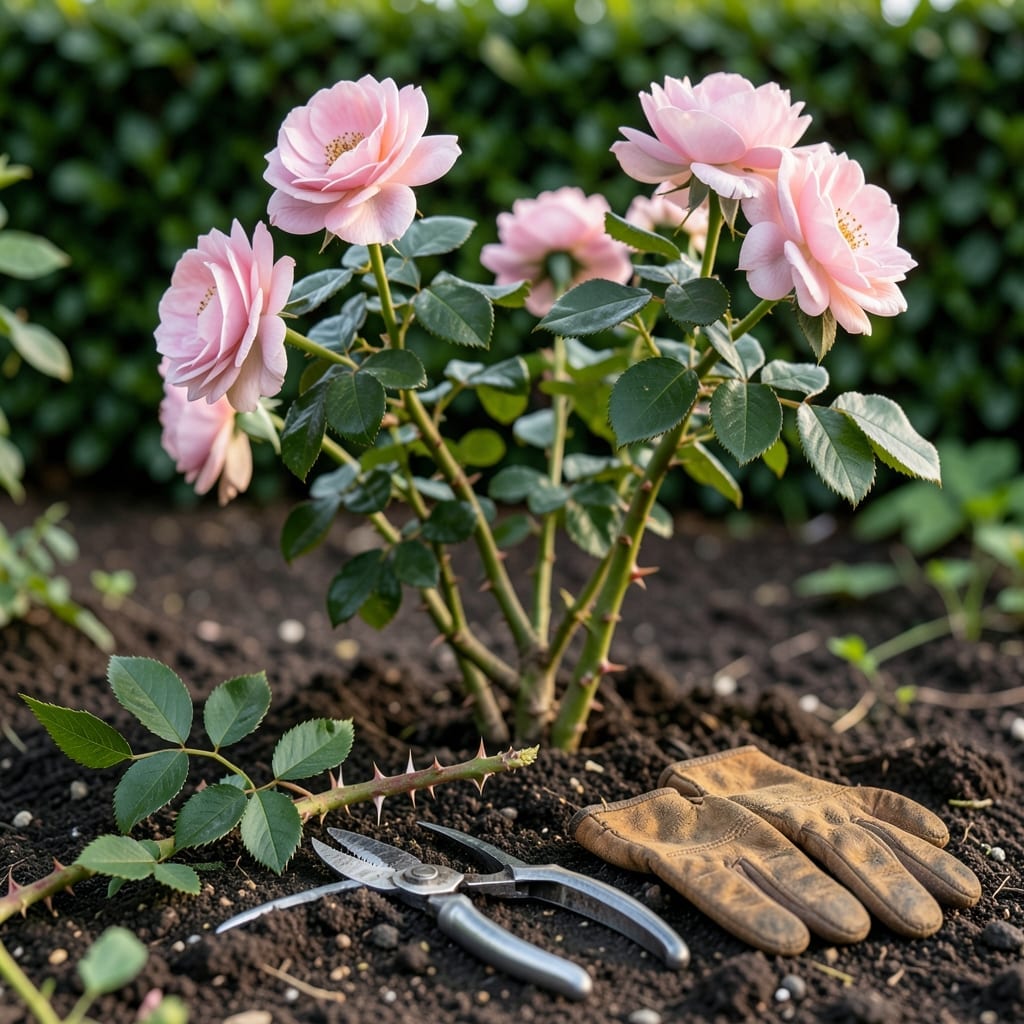
Pruning your 🌹 at the wrong time can mean the difference between a garden full of blooms and a season of disappointment. I’ve seen many gardeners make this mistake, only to wonder why their roses underperform year after year.
Timing is everything when it comes to roses. Whether you’re growing hybrid teas, climbers, or shrubs, knowing when to prune sets the stage for healthier growth and more vibrant flowers.
Discover the seasonal secrets that will transform your pruning approach. With the right schedule, you’ll be amazed at how your roses respond.
Timing your rose pruning correctly is crucial for maximizing blooms and plant health. Different rose varieties have unique needs, and climate plays a big role in the ideal schedule.
In cold climates (USDA zones 3-6), I recommend pruning in late winter or early spring, just as new growth begins. This timing helps prevent winter damage while encouraging strong spring growth.
| Rose Type | Best Pruning Time | Climate Zone |
|---|---|---|
| Hybrid Tea | Late winter or early spring | All zones |
| Climbing | After blooming in summer | Zones 5-9 |
| Shrub | Early spring or fall | Zones 4-8 |
| Old Garden | After flowering | Zones 3-9 |
For warm climates (zones 7-11), you can prune twice a year: once in early spring and again in fall. This helps control growth and encourages multiple bloom cycles.
Climbing roses are different—they bloom on old wood, so prune them right after they finish flowering. This ensures you don’t cut off next year’s blooms.
In mild winter areas, you might see roses blooming year-round. Here, I suggest a light pruning in January to shape the plant, followed by a more thorough pruning in late winter.
For shrub roses, which are often more cold-hardy, pruning in early spring works well. But if you’re in a very cold zone, wait until the last frost has passed to avoid winter dieback.
Remember, the goal is to prune just before the plant breaks dormancy. This gives your roses time to recover and puts their energy into new growth and blooms.
If you’re unsure about your local climate, check your USDA hardiness zone. This simple step can make a big difference in your pruning success.
I always tell gardeners: when in doubt, wait for spring. Pruning at the wrong time is better than not pruning at all, but timing it right will give you the best results by far. ✂️
Each season brings different needs for your rose bushes. I’ve found that following a seasonal pruning schedule keeps my roses healthy and blooming abundantly.
In early spring, focus on removing dead wood and shaping the plant. This is when I do my most intensive pruning to encourage strong new growth.
During summer, I focus on deadheading spent blooms to encourage more flowers. This also helps maintain the shape of my rose bushes throughout the growing season.
As fall approaches, I do a light pruning to prevent wind damage. But I’m careful not to prune too much, as this could stimulate new growth that might be damaged by frost.
In winter, pruning is minimal. I only remove diseased or damaged wood. The plant is dormant, and heavy pruning now could remove potential spring blooms.
Remember, the key is to adapt your approach to the season. Each one plays a unique role in your rose’s growth cycle and overall health.
I always keep my pruning shears sharp and clean. This makes the job easier and helps prevent disease spread between plants. ✂️