
Beautiful Plants For Your Interior
Beautiful Plants For Your Interior
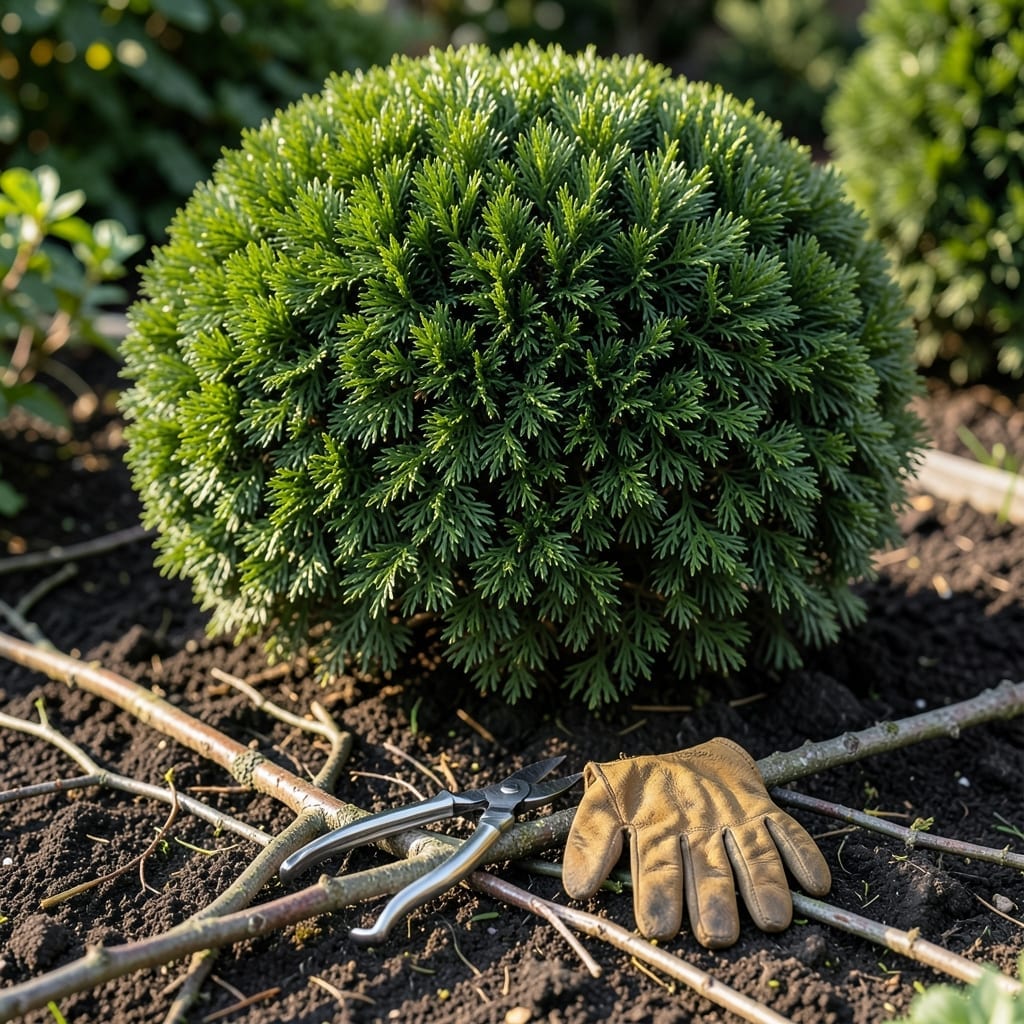
Pruning evergreen shrubs at the wrong time can stunt growth or leave them vulnerable to disease. I’ve seen too many gardeners make this mistake with their 🌿 Evergreen Shrubs, but it’s easily avoidable.
Timing is everything when it comes to maintaining healthy, vibrant shrubs. The good news is that there’s a simple seasonal window that works best for most varieties.
Discover when to grab those pruners and why this timing makes all the difference for your shrubs’ long-term health and appearance.
I always tell gardeners that timing is everything when pruning evergreens. Each type responds differently to seasonal changes, so knowing your shrub’s category is the first step to success.
For most evergreen shrubs, late winter to early spring is ideal. This window allows cuts to heal before new growth begins, reducing stress and disease risk.
| Best Time to Prune | Key Considerations | |
|---|---|---|
| Broadleaf (Boxwood, Holly) | Late Winter | Avoid fall pruning; new growth may not harden off before frost |
| Needled (Juniper, Yew) | Early Spring | Prune before new candles form; minimal summer trimming allowed |
| Flowering (Rhododendron, Azalea) | After Blooming | Prevents cutting off next year’s flower buds |
In warmer climates, like USDA zones 8-10, pruning can extend into early summer. However, avoid pruning during peak summer heat, as this stresses the plant.
Cold climates (zones 3-5) require stricter timing. I recommend finishing pruning by mid-spring to give shrubs enough time to recover before winter.
For flowering evergreens, like rhododendrons, timing is critical. Prune immediately after blooming ends to avoid removing next year’s flower buds.
Needled evergreens, such as juniper or yew, prefer early spring pruning. This aligns with their growth cycle and minimizes the risk of browning or dieback.
If you notice diseased or damaged branches, don’t wait for the ideal season. Remove them immediately to prevent further harm to the shrub.
Remember, light pruning can be done almost anytime except during extreme heat or cold. But for major shaping, stick to the recommended windows for your shrub type.
With the right timing, your evergreens will reward you with dense, healthy growth and a polished look year-round. ✂️
I’ve seen many gardeners accidentally harm their evergreen shrubs by pruning at the wrong time. The results can be frustrating, but understanding the risks helps you avoid these common mistakes.
Pruning during extreme heat or cold stresses the plant, slowing recovery. Worse, it can invite disease or pests through open wounds when the shrub is most vulnerable.
⚠️ Warning: Pruning in late fall encourages tender new growth that won’t survive winter frost. This can lead to brown, dead branches and stunted recovery in spring.
For flowering evergreens, off-season pruning means sacrificing next year’s blooms. Many set their flower buds in summer or fall, so pruning then removes potential flowers.
Another risk is reduced cold hardiness. Late pruning removes the shrub’s natural protection, leaving it exposed to harsh winter conditions. This is especially true for boxwood and holly.
If you’ve already pruned at the wrong time, don’t panic. Focus on proper aftercare: water deeply, apply mulch, and avoid fertilizing until the plant recovers. This helps mitigate the stress.
Prevention is key. Stick to the recommended windows, and your evergreens will stay healthy, vibrant, and disease-resistant all year long. ✂️
With careful timing, you’ll avoid these pitfalls and enjoy lush, thriving shrubs that enhance your garden’s beauty. 🌿