
Beautiful Plants For Your Interior
Beautiful Plants For Your Interior
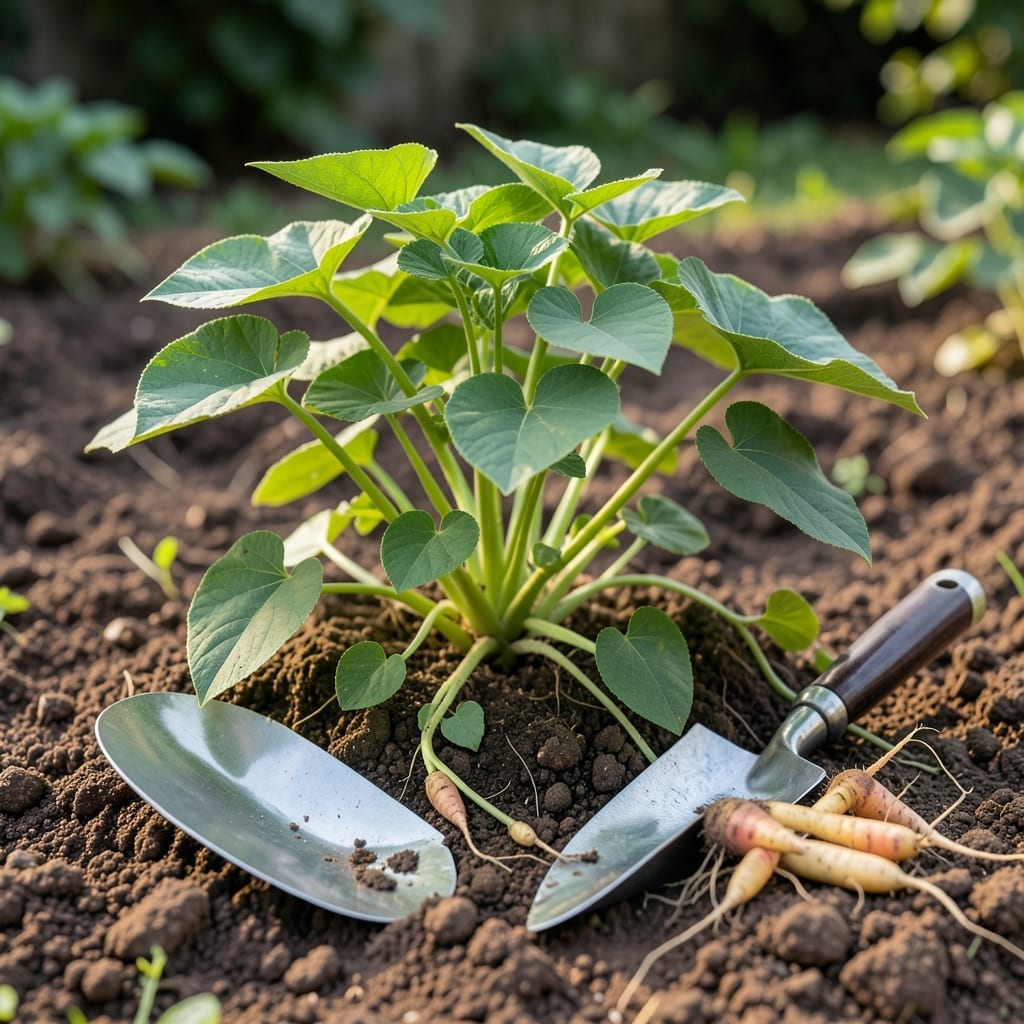
Timing is everything when it comes to planting Sweet Potato 🍠. Plant too early, and cold soil stunts growth; plant too late, and you’ll miss the harvest window.
I’ve learned that getting this right means the difference between a lackluster crop and a bountiful yield. Whether you’re in zone 6 or elsewhere, knowing your seasonal schedule is the key.
Discover how to align your planting with soil warmth and frost dates for bigger harvests. Let’s dig into the details that make all the difference.

I’ve found that sweet potatoes thrive when soil temps hit 75-85°F. In cooler zones, waiting until late spring ensures warmth. Early planting in cold soil leads to poor germination and stunted growth.
For most gardeners, May to June is ideal, but timing shifts with your USDA zone. Southern growers can start earlier, while northern regions must wait until all frost risk passes.
| Zone | Planting Window | Soil Temp Requirement |
|---|---|---|
| 3-4 | Late May – June | 75°F+ |
| 5-6 | Mid-May – June | 70°F+ |
| 7-8 | April – May | 65°F+ |
| 9-10 | March – April | 60°F+ |
In zone 6, I aim for late May after the last frost. The soil must be warm, so I use a soil thermometer to check. Planting slips too early can rot in cold, wet conditions.
Sweet potatoes need 90-120 days to mature. Count backward from your first fall frost to pick the perfect planting date. This ensures tubers reach full size before harvest.
For warmer zones, like 9-10, early planting works because the ground warms faster. But even there, 60°F soil is the minimum for slips to establish well.
I always pre-warm the soil with black plastic mulch. This trick boosts soil temps by 5-10°F, letting me plant a week or two earlier in spring.
Remember, air temperature matters too. Sweet potatoes stop growing below 50°F. If a late cold snap threatens, I cover young plants with row covers for protection.
In container gardens, use large pots and place them where they get full sun. The soil in containers warms faster, but it also dries out quicker, so monitor moisture closely.
Finally, variety selection affects timing. Fast-maturing types like ‘Georgia Jet’ can be planted later, while heirlooms need the full season. Always match your variety to your growing window.
With these tips, you’ll hit the perfect planting window every time 🌱
I always start with soil preparation to give my sweet potatoes the best start. Loose, well-draining soil with a pH of 5.8-6.5 is ideal. Heavy clay? Amend it with compost or sand to improve drainage.
For slips (young sweet potato plants), I condition them before planting. This means rooting slips in water for 2-3 weeks or planting in a warm bed to establish roots. It prevents transplant shock and speeds up growth.
I’ve found that pre-warming the soil with black plastic for 2-3 weeks before planting gives slips a head start. This is especially helpful in cooler climates where spring soil is slow to warm.
When planting, I space slips 12-18 inches apart in rows 3 feet apart. This gives vines room to spread without crowding. Plant slips 4-6 inches deep, burying the stem up to the leaves.
After planting, I water slips in with 1-2 inches of water and keep soil consistently moist for the first week. Once established, sweet potatoes are fairly drought-tolerant but need 1 inch of water weekly.
For organic gardening, I use a balanced fertilizer or compost tea 3-4 weeks after planting. Avoid high-nitrogen fertilizers, as they promote leafy growth at the expense of tubers.
With proper prep, your slips will establish quickly and produce abundant tubers 🌱