
Beautiful Plants For Your Interior
Beautiful Plants For Your Interior
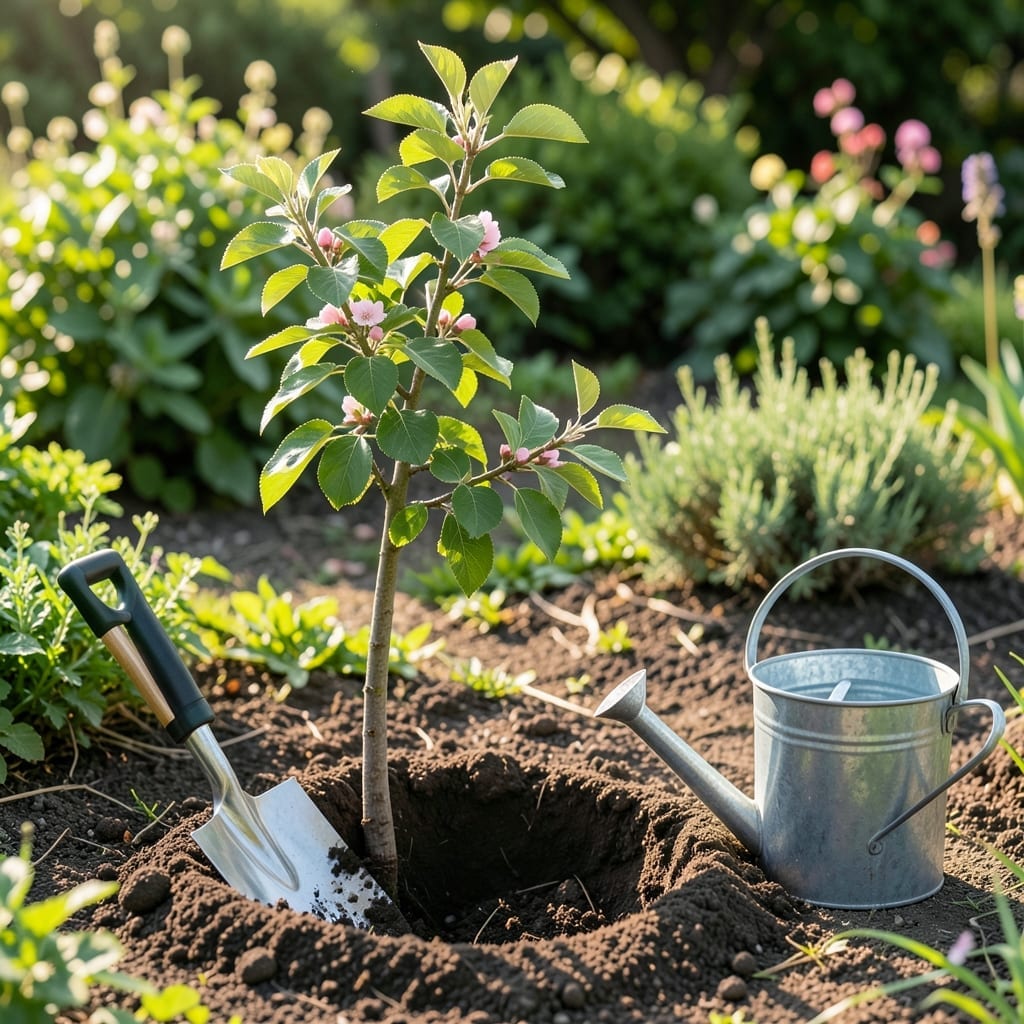
There’s something magical about watching a 🌳 Plum Tree grow from a sapling to a fruit-bearing beauty. Getting the timing right makes all the difference in its success.
Planting at the wrong time can set back your tree’s growth for years. I’ve seen firsthand how the proper season gives your Plum Tree the best foundation for strong roots and healthy fruit.
Let me share the key seasonal insights that will help your Plum Tree thrive from day one. This is the information every grower needs to know.

Timing is everything when planting plum trees. The best seasons are early spring or fall, depending on your USDA zone. I’ve found that zones 5-8 thrive with spring planting after the last frost.
In colder zones 3-4, aim for late spring when the soil warms up. For warmer zones 9-10, fall planting works best to avoid summer heat stress on young trees.
Planting Plum Trees by Zone
| Zone | Best Time | Conditions |
|---|---|---|
| 3-4 | Late spring | After last frost |
| 5-8 | Early spring | March-April |
| 9-10 | Fall | Avoid summer heat |
For zones 5-8, I recommend planting in March or April when the ground is workable. The soil should be well-draining and slightly acidic for best results.
In zone 9-10, October or November planting gives roots time to establish before summer. I’ve seen this timing produce stronger trees that resist drought better.
Always check your local frost dates. Planting 2-3 weeks before the last frost in spring or 4-6 weeks before the first frost in fall is ideal.
Soil temperature matters too. Aim for 50-60°F at planting depth. I use a soil thermometer to be sure my trees get the best start.
Bare-root trees do best in dormant season planting, while container-grown can go in anytime except extreme heat or cold.
Remember that fall planting in warm zones gives trees a head start on root growth before winter dormancy. This often leads to better first-year growth.
No matter your zone, avoid planting during summer heatwaves or when the ground is frozen. These conditions stress young trees and reduce survival rates.
🌳Planting a plum tree correctly sets the stage for years of healthy growth and abundant fruit. I always start by selecting a sunny location with at least 6 hours of direct light daily.
The soil preparation is crucial. I test my soil’s pH level (aim for 6.0-6.5) and amend with compost for better drainage and fertility.
Plum Tree Planting Steps
I
For bare-root trees, I soak the roots in water for 1-2 hours before planting. This rehydrates them and reduces transplant shock significantly.
After planting, I create a water basin around the trunk to help direct water to the roots. The first week requires daily watering, then I scale back to 2-3 times weekly.
I always stake young trees if they’re in windy areas. This prevents the trunk from bending and helps the tree establish a strong root system.
🌳