
Beautiful Plants For Your Interior
Beautiful Plants For Your Interior
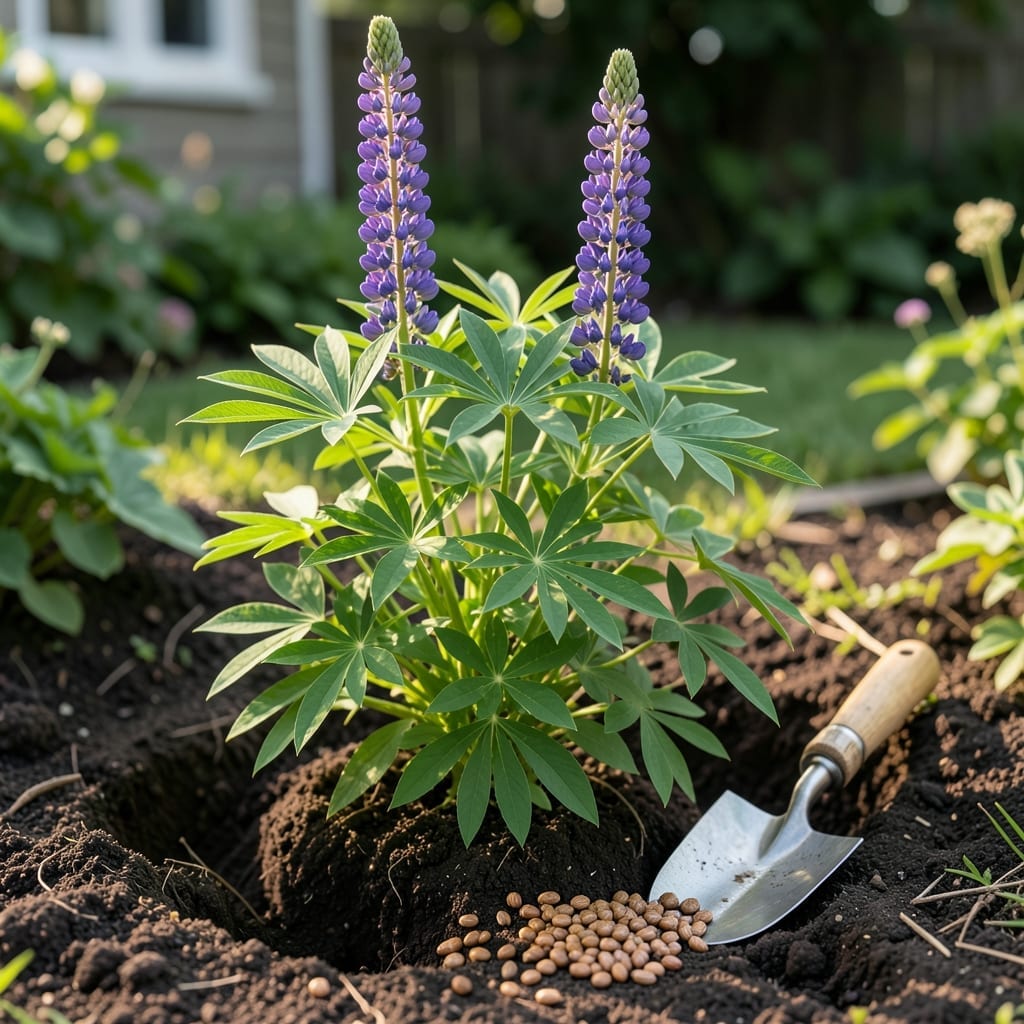
Timing is everything when planting Lupine 🌸 seeds—get it right, and you’ll be rewarded with stunning, colorful blooms that thrive year after year.
Plant too early or too late, and your efforts might go to waste. I’ve learned that choosing the optimal window makes all the difference for strong germination.
Whether you’re in zone 4-8, I’ll show you the exact timing and preparation steps to ensure your Lupine flourishes. Let’s make your garden the talk of the neighborhood.

Timing your Lupine seed planting correctly ensures vibrant blooms. In USDA zones 4-8, the best windows are early spring or fall when soil temps are ideal.
For cooler zones like 4-5, aim for March-April or September-October. Warmer zones like 7-8 can plant as late as November for fall sowing.
| Climate Zone | Spring Planting | Fall Planting |
|---|---|---|
| Zones 4-5 | March-April | September-October |
| Zones 6-7 | February-March | October-November |
| Zone 8 | February | November-December |
Soil temperature is critical—aim for 60-70°F for best germination. In spring, wait until after the last frost to avoid seed loss.
Fall planting allows natural stratification over winter, which boosts spring germination. Just ensure seeds are planted 4-6 weeks before the first hard frost.
In zone 8, fall planting can extend into December due to milder winters. However, watch for unexpected cold snaps that could damage young seedlings.
For zone 4-5, spring planting is safer if winters are harsh. Scarify seeds or soak them overnight to improve germination rates in cooler soils.
Well-draining soil is a must—Lupines hate soggy roots. Test your soil’s drainage before planting to prevent rot and poor growth.
If you’re in a high rainfall area, consider raised beds to ensure proper drainage. Lupines thrive in sandy or loamy soil with a pH of 6.0-7.0.
Finally, mulch lightly after planting to retain moisture and protect seeds. Avoid heavy mulch, which can smother emerging seedlings.
With the right timing and care, your Lupines will reward you with stunning spikes of color year after year 🌸
Planting Lupine seeds properly ensures strong, healthy plants. I always start by scarifying seeds or soaking them in warm water overnight to break dormancy.
This simple step dramatically improves germination rates, especially in cooler climates. Next, choose a sunny location with well-draining soil for best results.
Sow seeds at a depth of 1/4 inch—any deeper and they may struggle to emerge. Space them 12-18 inches apart to allow for mature growth.
Lupines prefer slightly acidic to neutral soil, so test your soil’s pH. Aim for 6.0-7.0 for optimal growth and vibrant blooms.
After planting, water gently but thoroughly to settle the soil. Keep the area consistently moist until germination, which typically takes 14-30 days.
Once seedlings appear, thin them to the recommended spacing to prevent overcrowding. Mulch lightly to retain moisture and suppress weeds.
With proper care, your Lupines will establish deep roots and reward you with spectacular blooms for years to come 🌸