
Beautiful Plants For Your Interior
Beautiful Plants For Your Interior
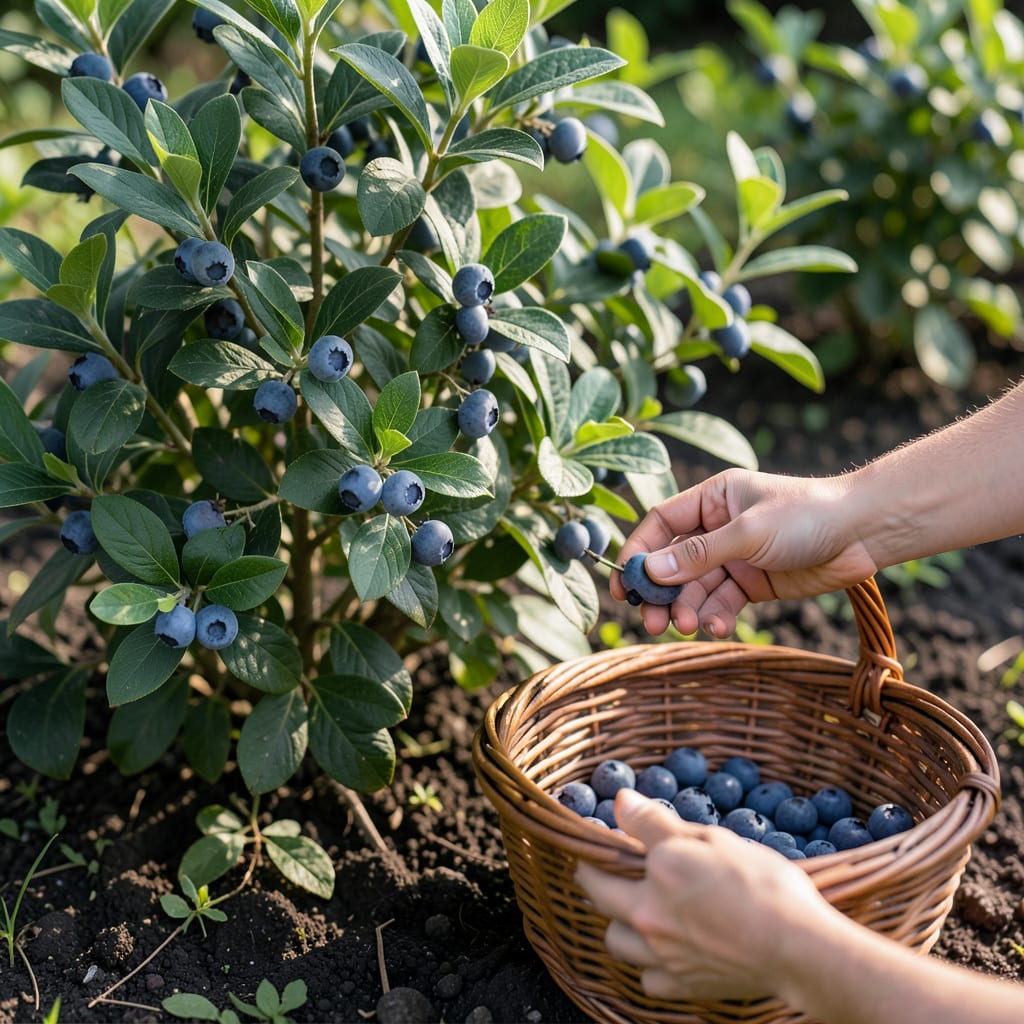
Picking Blueberries 🫐 at the perfect moment ensures the juiciest, sweetest flavor for your summer harvest. Know the exact signs to look for.
I’ll show you how to identify fully ripe berries and the best times to harvest them. Never settle for tart or underripe fruit again.


Knowing the exact moment to harvest blueberries ensures the sweetest, juiciest flavor. I always look for visual cues first, like a deep, uniform blue color covering the entire berry.
Underripe berries often have red or purple patches, which means they need more time. A fully ripe blueberry will also have a slight powdery coating, called bloom, on its surface.
| Sign | Ripe Indicator | Not Ready |
|---|---|---|
| Color | Deep blue | Red or purple |
| Texture | Slightly soft | Firm and hard |
| Ease of Picking | Comes off easily | Difficult to pick |
| Aroma | Sweet smell | No scent |
The tactile test is another reliable method. Gently press the berry—if it has a slight give, it’s ready. If it’s rock hard, leave it on the bush for a few more days.
I also check the cluster maturity. Blueberries ripen at different times, even on the same bush. Focus on individual berries rather than the whole cluster. A ripe berry will detach easily with a gentle tug.
A taste test is the final confirmation. Sample a few berries from different parts of the bush. If they’re sweet and flavorful, it’s time to start harvesting. Tartness means they need more time.
Remember, blueberries don’t ripen after picking, so timing is everything. I’ve found that early morning is the best time to pick, as the berries are firmer and cooler.
Another tip: check the stem end. If it’s still green, the berry isn’t fully ripe. A ripe blueberry will have a dry, brown stem where it attaches to the bush.
For the best harvest, I inspect my bushes daily once the berries start turning blue. This way, I catch them at their peak ripeness and avoid overripe or spoiled fruit.
Finally, always use a gentle touch when picking to avoid bruising. I like to hold the cluster with one hand and pick with the other to keep the bush steady and prevent damage. 🌿
Timing your blueberry harvest affects both flavor and shelf life. I’ve found that early morning is ideal because berries are firmer and cooler after overnight dew evaporation.
Late afternoon can work too, but avoid midday heat which can make berries too soft or prone to bruising. The cool temperatures of morning preserve freshness longer.
Pick blueberries in cool, dry conditions for best quality. Early morning or late evening are optimal. Avoid harvesting after rain to prevent mold.
The best season for picking depends on your USDA zone. In zones 5-7, peak harvest typically runs from June to August. Southern regions may start earlier, while northern areas might extend into September.
I always monitor berry color progression closely. When I see the first deep blue berries appearing, I know the main harvest is about 1-2 weeks away. This gives me time to prepare containers and tools.
Weather conditions also play a role. A stretch of sunny, warm days speeds up ripening, while cool, cloudy weather slows it down. I check my bushes daily during the ripening window to catch each berry at its peak.
For container-grown blueberries, I’ve noticed they often ripen slightly earlier than in-ground plants due to warmer root temperatures. Keep a close eye on potted bushes as the season progresses. 🌿
Even experienced gardeners can make harvesting mistakes that reduce blueberry quality. I’ve learned the hard way that picking too early results in tart, underdeveloped fruit that never sweetens after being picked.
Another common error is using deep containers that crush the berries at the bottom. I always use shallow, wide trays to prevent bruising and keep the fruit in prime condition.
Avoid picking blueberries when wet—this promotes mold. Always harvest in dry conditions and handle gently to prevent spoilage.
Ignoring plant health during harvest can also backfire. I make sure my bushes are well-hydrated leading up to harvest time, as water stress can cause premature berry drop or poor flavor development.
Some gardeners pull berries off the bush, which can damage the plant. I always use a gentle twisting motion or fingernail flick to detach ripe berries cleanly without harming the bush or the fruit.
Finally, don’t overlook storage after picking. I immediately refrigerate my harvest if I’m not using it right away, as blueberries spoil quickly at room temperature. This preserves their freshness and flavor for days. 🌿
Early morning is best when berries are firm and cool. Avoid midday heat which can soften fruit.
Unripe berries show red or purple patches and feel rock hard. They won’t detach easily from the bush.
Yes! Sunny, warm days speed it up, while cool, cloudy weather slows ripening. Check bushes daily.
Using deep containers that crush berries. Always use shallow, wide trays to prevent bruising.
