
Beautiful Plants For Your Interior
Beautiful Plants For Your Interior
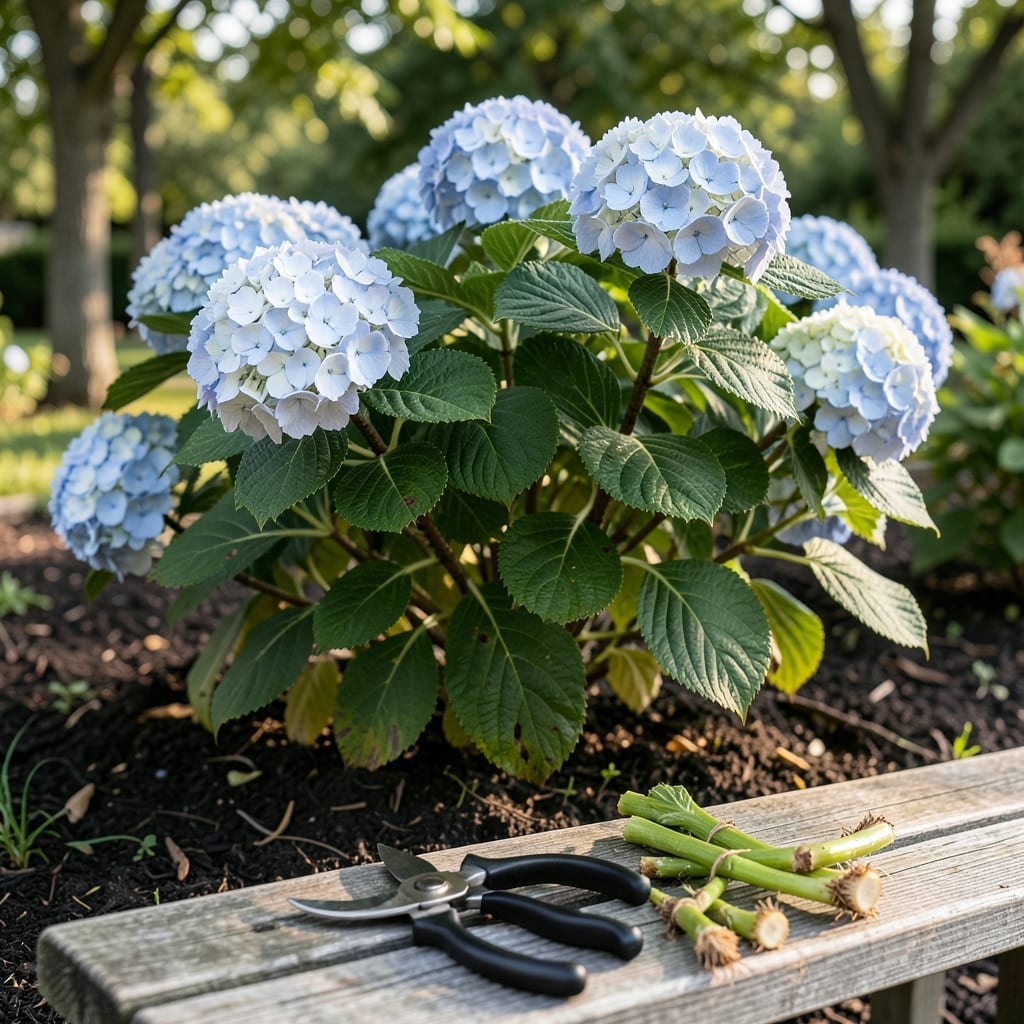
Timing your hydrangea pruning wrong could mean a season without blooms. The 🌸Hydrangea is fussy about when it gets trimmed, and getting it right makes all the difference.
I’ve seen gardeners disappointed by bare stems where flowers should be. The solution? Knowing your variety and its unique schedule. Some thrive with spring cuts, others need fall attention.
Let me walk you through the exact windows to trim for maximum flower power and healthy growth. Your hydrangeas will thank you.
I’ve learned that hydrangea pruning timing depends entirely on the variety. These shrubs aren’t one-size-fits-all when it comes to trimming. Some bloom on old wood, others on new wood, and this makes all the difference.
Getting the timing wrong can leave you with no flowers for a whole season. That’s why I always check the type before making any cuts. Each variety has its own rhythm, and respecting it ensures vibrant blooms year after year.
| Variety | Bloom Wood | Best Pruning Time |
|---|---|---|
| Bigleaf | Old wood | After flowering (summer) |
| Panicle | New wood | Late winter or early spring |
| Oakleaf | Old wood | After blooming (summer) |
| Smooth | New wood | Late winter or early spring |
For bigleaf hydrangeas, like the popular mopheads and lacecaps, I wait until after they’ve flowered. This is usually in mid to late summer. They bloom on old wood, so pruning too early removes potential flowers.
If you have panicle hydrangeas, such as the Limelight or Little Lime varieties, you’re in luck. These bloom on new wood, so I prune them in late winter or early spring before new growth starts.
Oakleaf hydrangeas are another old wood bloomer. I treat them like bigleafs, pruning right after flowering. Their stunning fall foliage is a bonus, so I avoid cutting them back in fall.
Lastly, smooth hydrangeas, like Annabelle, bloom on new wood. I prune these in late winter or early spring. They’re forgiving and can even handle being cut down to the ground each year.
I always make sure my tools are sharp and clean before starting. This prevents tearing the stems and reduces the risk of disease. A good pair of bypass pruners is my go-to for most hydrangea pruning tasks.
Remember, if you’re unsure about your hydrangea type, observe when it blooms. Spring bloomers are likely old wood, while summer bloomers could be either. When in doubt, prune lightly and at the right time for your variety.
With this approach, I’ve seen my hydrangeas thrive and produce bigger, brighter blooms every year. It’s all about working with the plant’s natural cycle, not against it. ✂️
I always start by identifying the wood type before making any cuts. For old wood bloomers like bigleaf and oakleaf, I look for thicker, brown stems that have been there since last year.
For new wood varieties like panicle and smooth, I focus on fresh, green growth. This tells me when it’s safe to prune without losing next season’s flowers.
When pruning old wood hydrangeas, I only remove spent blooms and dead or weak stems. This preserves the buds that will become next year’s flowers.
For new wood types, I’m more aggressive. I cut back to 18-24 inches from the ground in late winter. This encourages strong new growth and bigger blooms.
I always disinfect my tools between cuts with rubbing alcohol. This prevents disease spread and keeps my hydrangeas healthy for years to come. ✂️
Remember, timing is everything. A well-timed pruning session can mean the difference between a bare shrub and one bursting with color. 🌸