
Beautiful Plants For Your Interior
Beautiful Plants For Your Interior
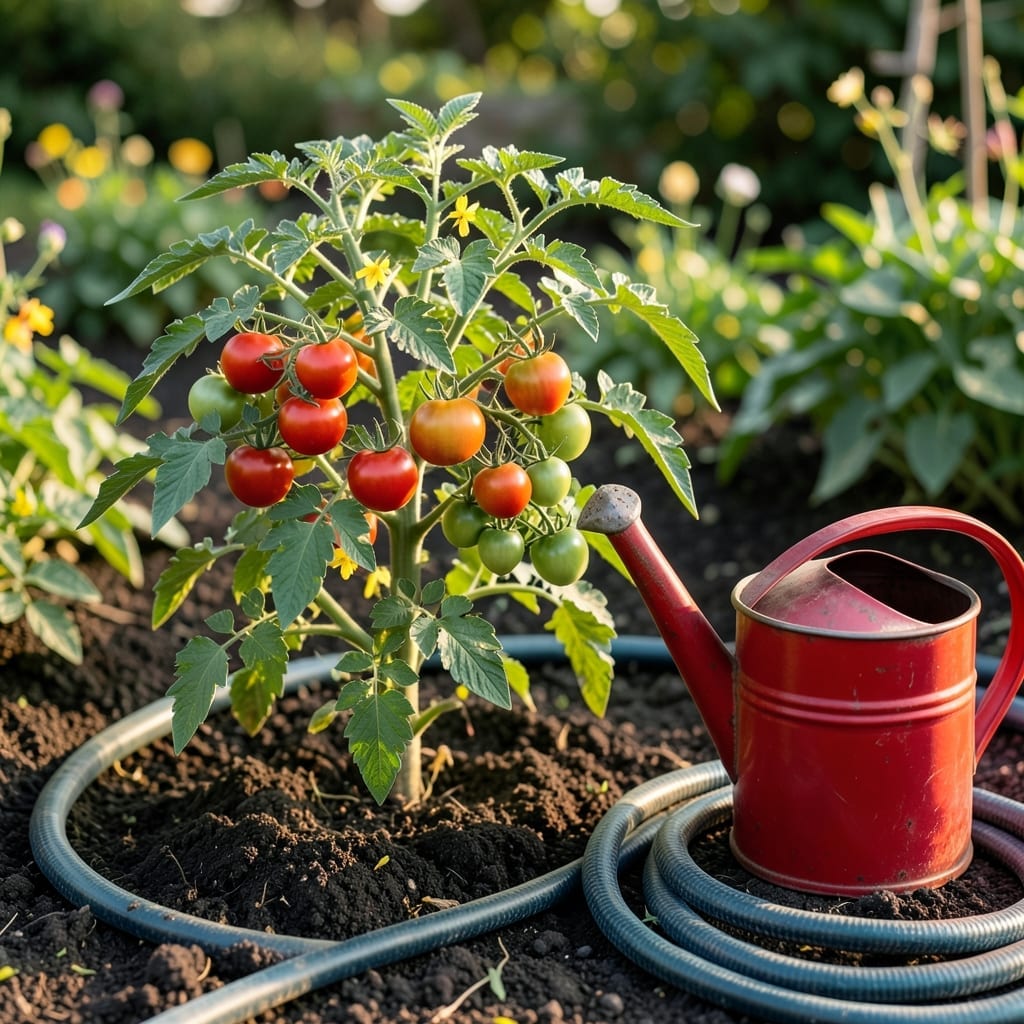
Watering your General Plants at the right time can make all the difference between vibrant growth and wilted disappointment. It’s not just about how much you water, but when you do it.
I’ve seen gardens transform by simply adjusting the watering schedule. The timing affects how well General Plants absorb moisture and avoid stress from heat or disease.
Discover the science behind the best watering times and how to adapt them for every season. Let’s give your plants the advantage they deserve.


I always recommend morning watering for most plants. The cooler temperatures and lower wind speeds reduce evaporation loss, giving your plants more time to absorb moisture.
Watering between 6 AM and 10 AM allows foliage to dry before evening, which helps prevent fungal diseases that thrive in damp conditions.
Plants like tomatoes and peppers especially benefit from morning watering. Their roots absorb water more efficiently when soil temperatures are moderate.
In my experience, container plants dry out faster than in-ground ones. Morning watering gives them a full day to hydrate before the afternoon heat kicks in.
For succulents and drought-tolerant plants, morning watering is even more critical. It mimics their natural desert conditions where dew forms overnight.
I’ve noticed that rose bushes watered in the morning produce more vibrant blooms. The consistent moisture supports their high water demands without promoting disease.
The photosynthesis process begins in earnest during morning hours. Having adequate water available helps plants maximize their energy production.
If you’re using drip irrigation, morning is ideal. It delivers water directly to roots before the sun’s intensity peaks, reducing waste.
Remember that clay soils absorb water more slowly. Morning watering gives them ample time to soak up moisture before the day’s heat.
🌱While morning watering is ideal, I’ve found evening watering can work in specific situations. It’s particularly useful for plants that struggle with midday heat stress in hot climates.
Watering between 4 PM and 6 PM gives plants time to absorb moisture before nightfall. However, it’s crucial to avoid wetting the foliage, as damp leaves overnight can invite fungal diseases.
In my garden, I use evening watering for heat-sensitive plants like lettuce and spinach during summer. They benefit from the cooler temperatures and extra hydration before the next day’s heat.
However, I avoid evening watering for roses and tomatoes. These plants are prone to powdery mildew and other fungal issues when their leaves stay damp overnight.
If you must water in the evening, I recommend using soaker hoses or drip irrigation. These methods deliver water directly to the soil, keeping foliage dry and reducing disease risk.
In drought-prone areas, evening watering can help conserve moisture. But always check your local climate and plant needs first.
🌿