
Beautiful Plants For Your Interior
Beautiful Plants For Your Interior
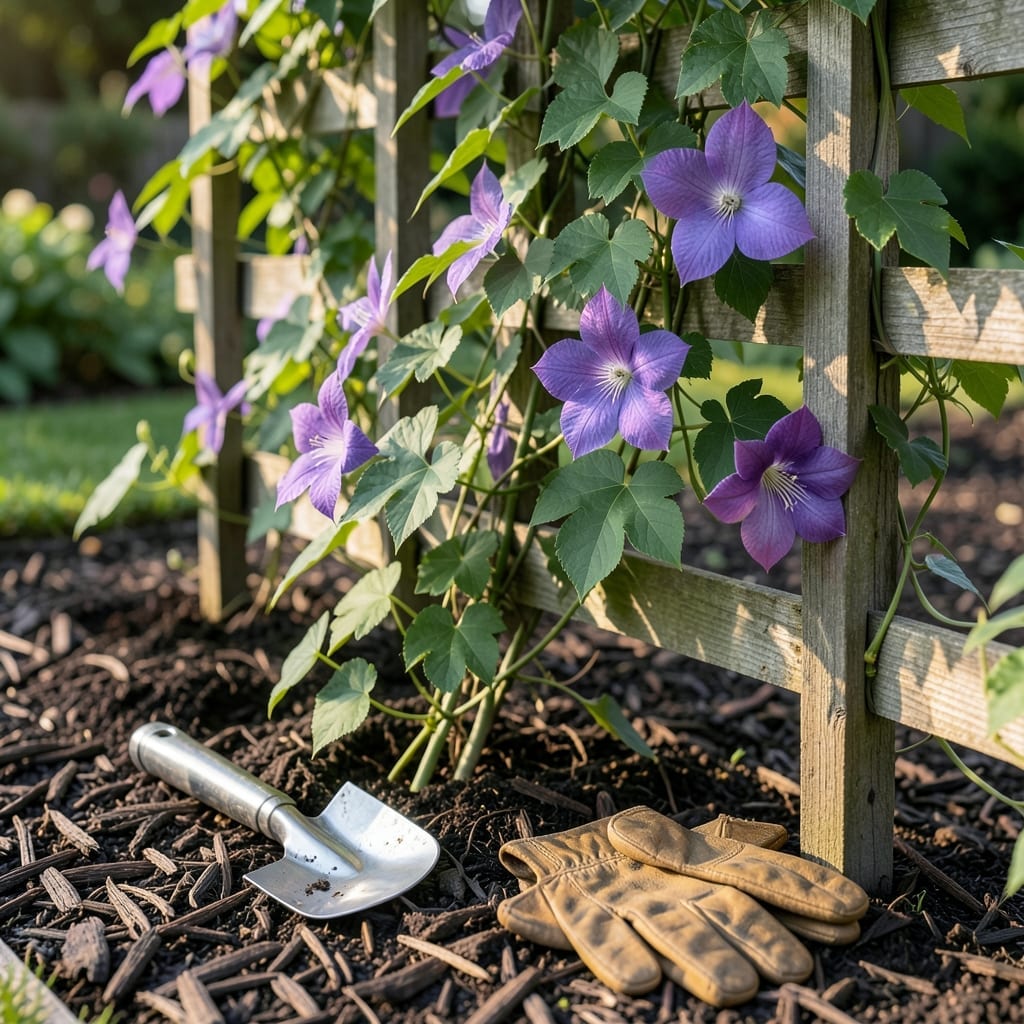
Clematis vines can transform any garden with their vibrant blooms and lush foliage—but only if you plant them in the right spot. Choosing the best location ensures healthy growth and abundant flowers.
I’ve seen too many gardeners struggle with wilting or lackluster 🌿 Clematis because they overlooked key factors like sunlight and support. The good news? Getting it right is simpler than you think.
Discover how to pick the perfect spot for thriving vines, whether you’re in zone 4-9 or just starting out. Let’s set your garden up for success.

Finding the perfect sunlight balance is key to growing thriving Clematis vines. These plants love 6+ hours of sun daily but need their root zone shaded to stay cool.
In hotter climates, afternoon shade protects foliage from scorching. I always recommend east-facing spots for morning sun and gentler afternoon light.
| Requirement | Specification |
|---|---|
| Daily Sunlight | 6+ hours |
| Base Shade | Keep roots cool |
| Hot Climates | Afternoon shade |
| Ideal Direction | East/West exposure |
For USDA zones 4-9, morning sun with dappled afternoon shade works best. This combo prevents heat stress while encouraging vibrant blooms.
If you’re planting near a west-facing wall, add a shade cloth during peak heat. I’ve seen Clematis wilt in full afternoon sun without this protection.
In cooler climates, full sun is ideal. Just ensure the soil stays moist but well-drained. A mulch layer helps maintain consistent moisture.
For container-grown Clematis, place pots where they get morning sun and afternoon shade. The container itself can overheat in direct sun.
Remember, young plants need extra care. I always acclimate them gradually to full sun to prevent shock. Start with partial shade for the first week.
Watch for yellowing leaves—this often signals too much sun. Adjust the location or add shade if you notice this.
Finally, observe your garden throughout the day. The best spot for Clematis might shift with the seasons. A little trial and adjustment goes a long way. 🌿
Choosing the right support for Clematis is just as important as picking the perfect spot. These fast-growing vines need sturdy structures to climb and showcase their beautiful blooms.
I’ve found that trellises and arbors work best for most varieties. The key is ensuring the support is tall enough—at least 6-8 feet—to accommodate mature growth.
| Structure | Best For |
|---|---|
| Trellis | Small spaces, vertical gardens |
| Arbor | Large varieties, garden entrances |
| Fence | Natural support, privacy screens |
| Pergola | Shade and climbing support |
Wooden trellises are my top pick for most gardens. They’re affordable, easy to install, and blend naturally with the landscape. Just ensure the slats are spaced 2-3 inches apart for easy gripping.
For heavier varieties, like Clematis montana, I recommend metal arbors or sturdy pergolas. These provide the extra strength needed to support the vine’s weight as it matures.
If you’re using a chain-link fence, add plastic mesh to give the tendrils something to grab onto. Clematis doesn’t climb smooth surfaces well on its own.
For container-grown Clematis, use bamboo stakes or small trellises. These provide support without overwhelming the pot. I’ve had great success with teepee-style structures in containers.
Finally, check supports annually for stability. Strong winds or heavy growth can loosen trellises over time. A little preventative care keeps your vines safe and thriving. 🌿